
CALABRIA
Urban heritage storytelling: Photovoice & Cultural Gems
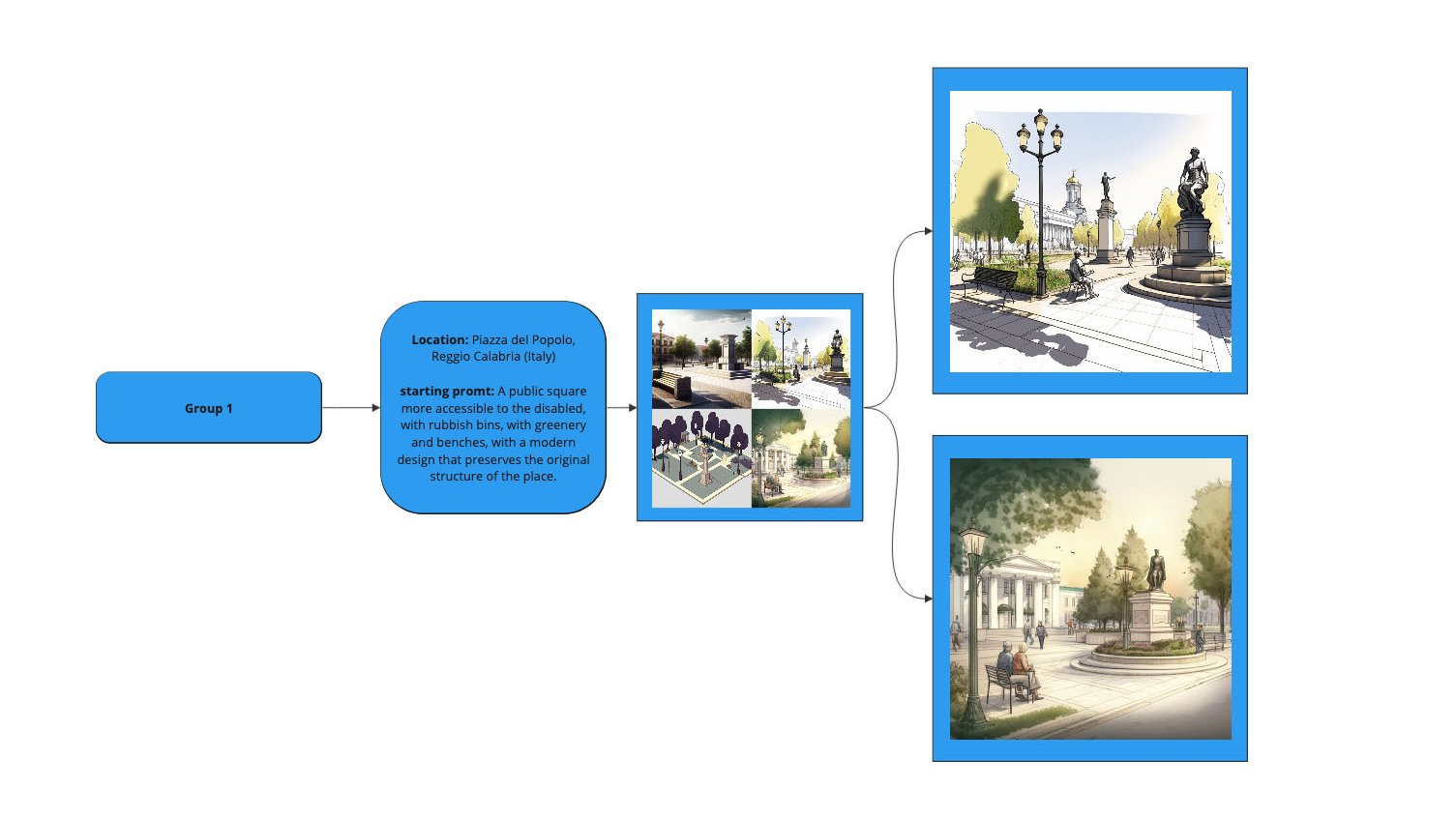
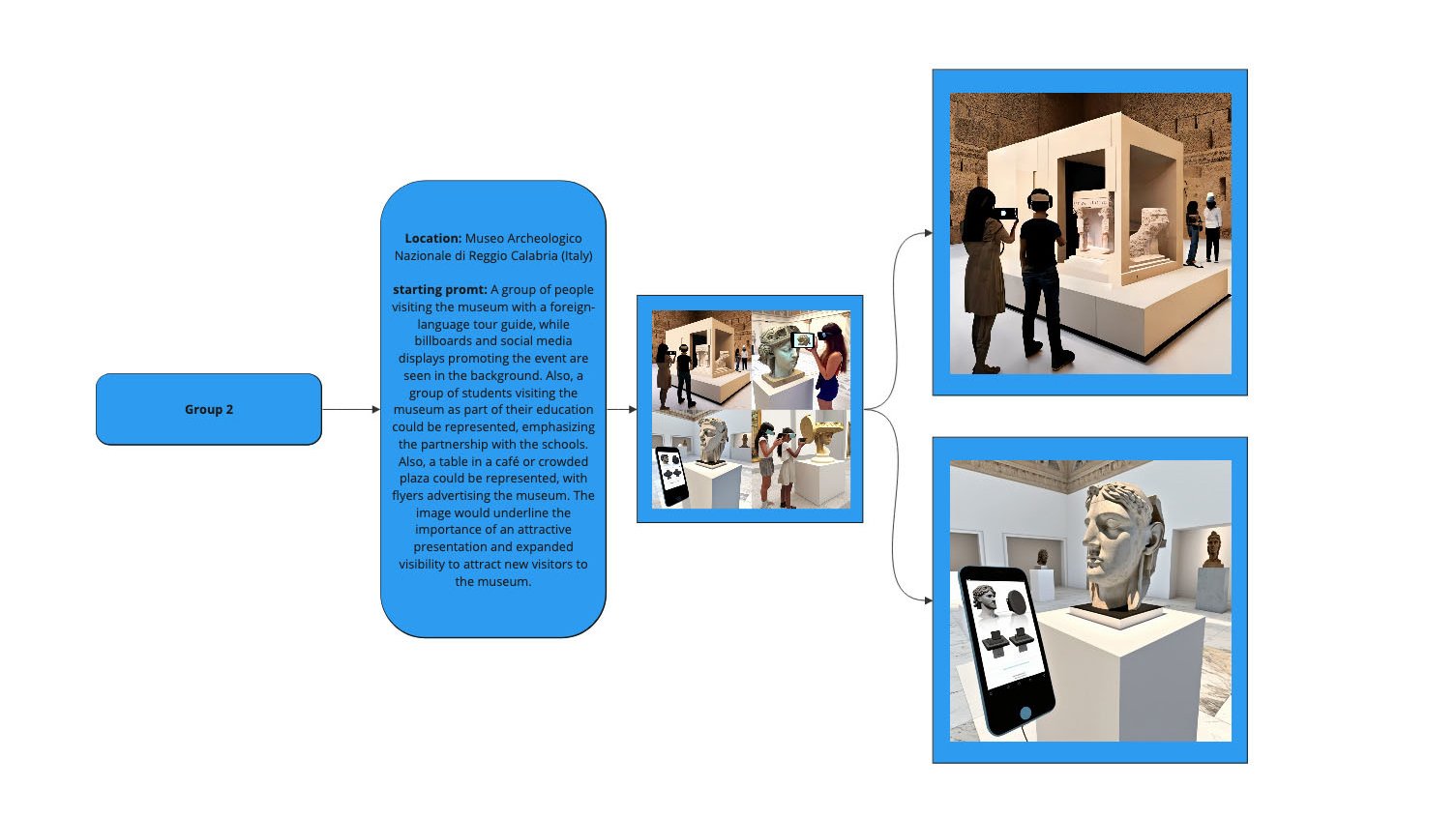
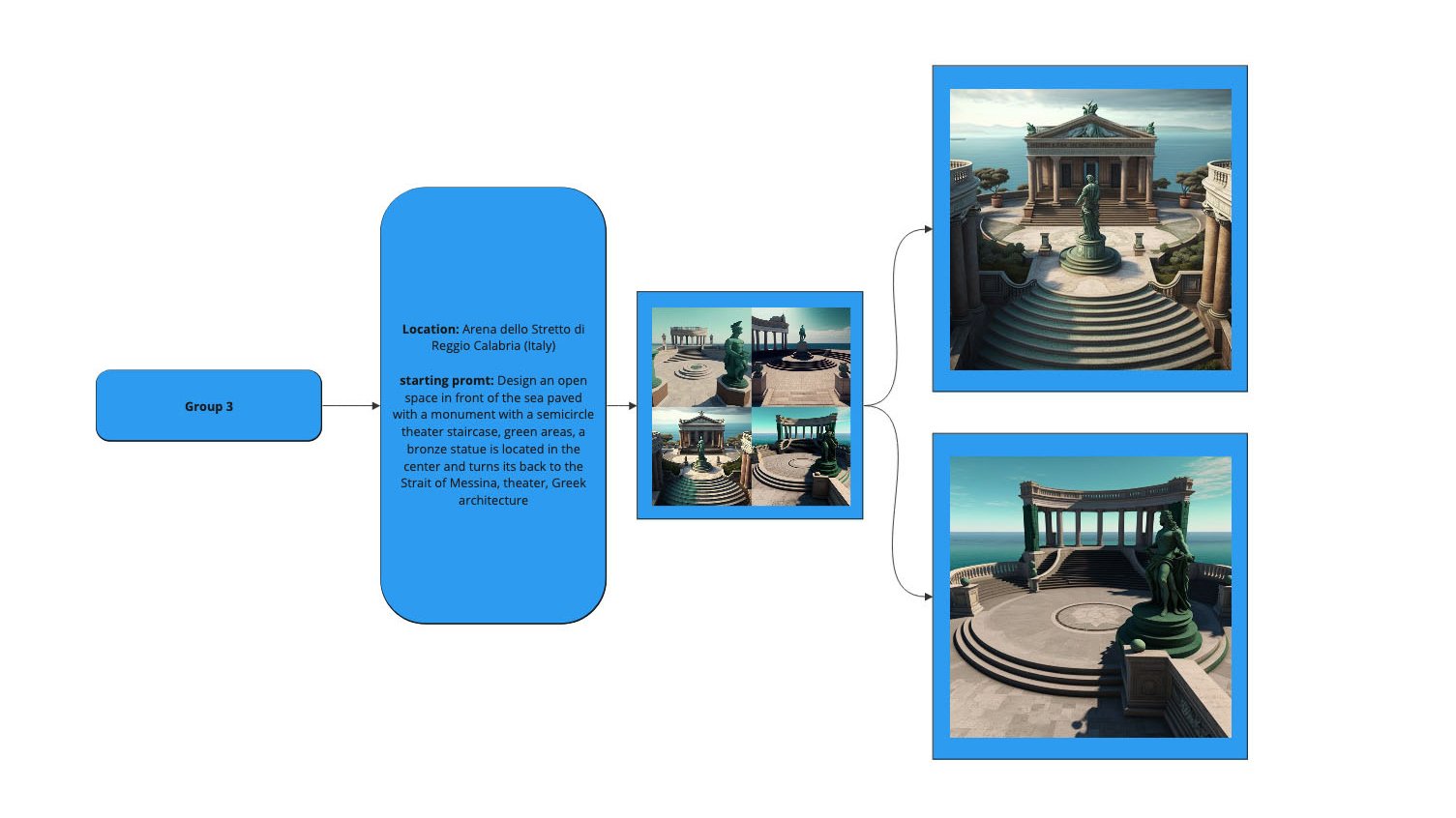
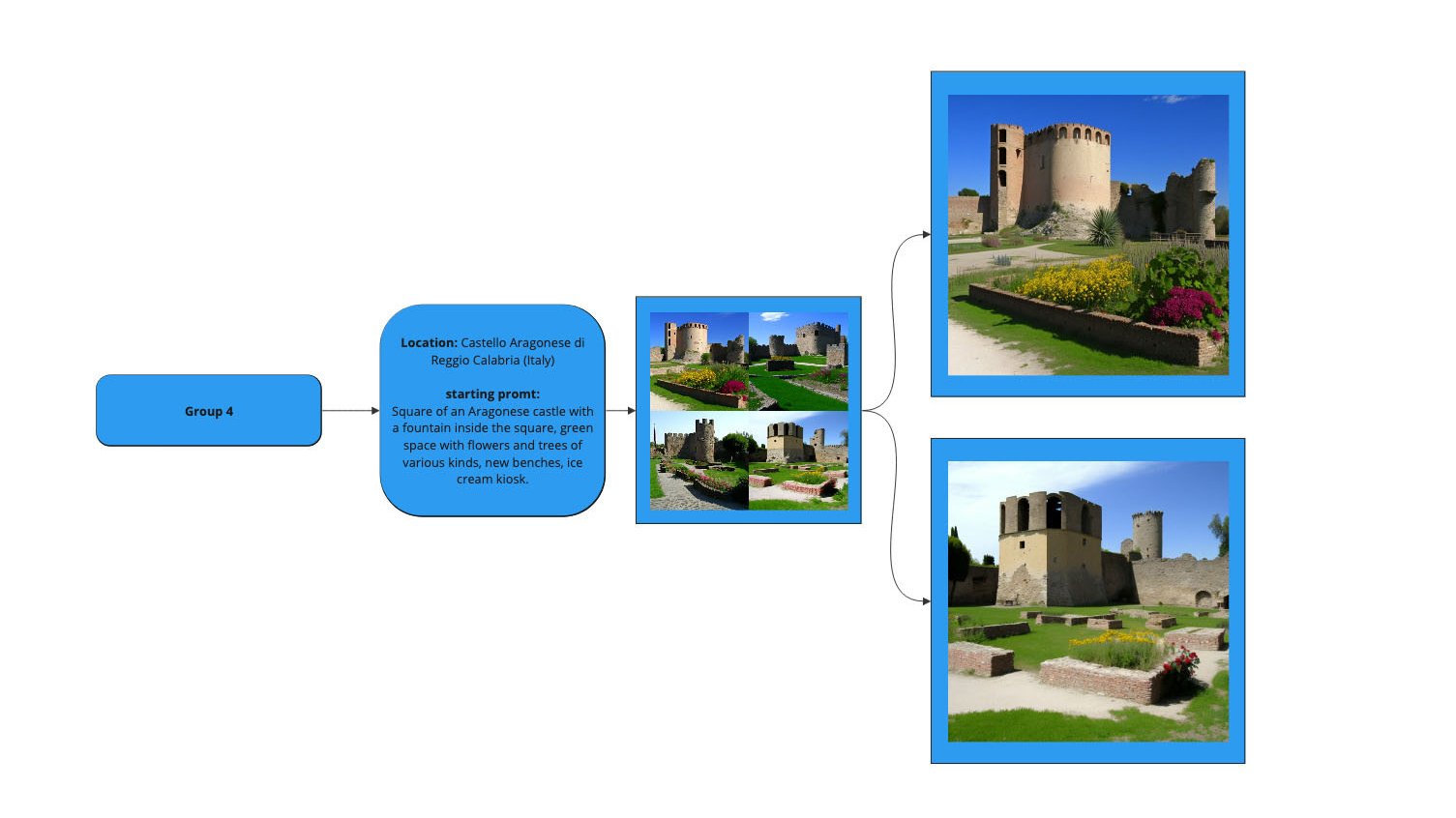
Through a co-visioning and storytelling workshop on urban heritage and landscape, delivered in collaboration with the Department of Architecture and Territory (dArTe) of the Università degli Studi Mediterranea di Reggio Calabria, students of the Tourism Section of the Istituto Tecnico Statale Economico R. Piria-G. Ferraris-A. Da Empoli in Reggio Calabria learned how to develop an urban heritage narrative in support of sustainable tourism, using the Photovoice method and the Midjourney tool.
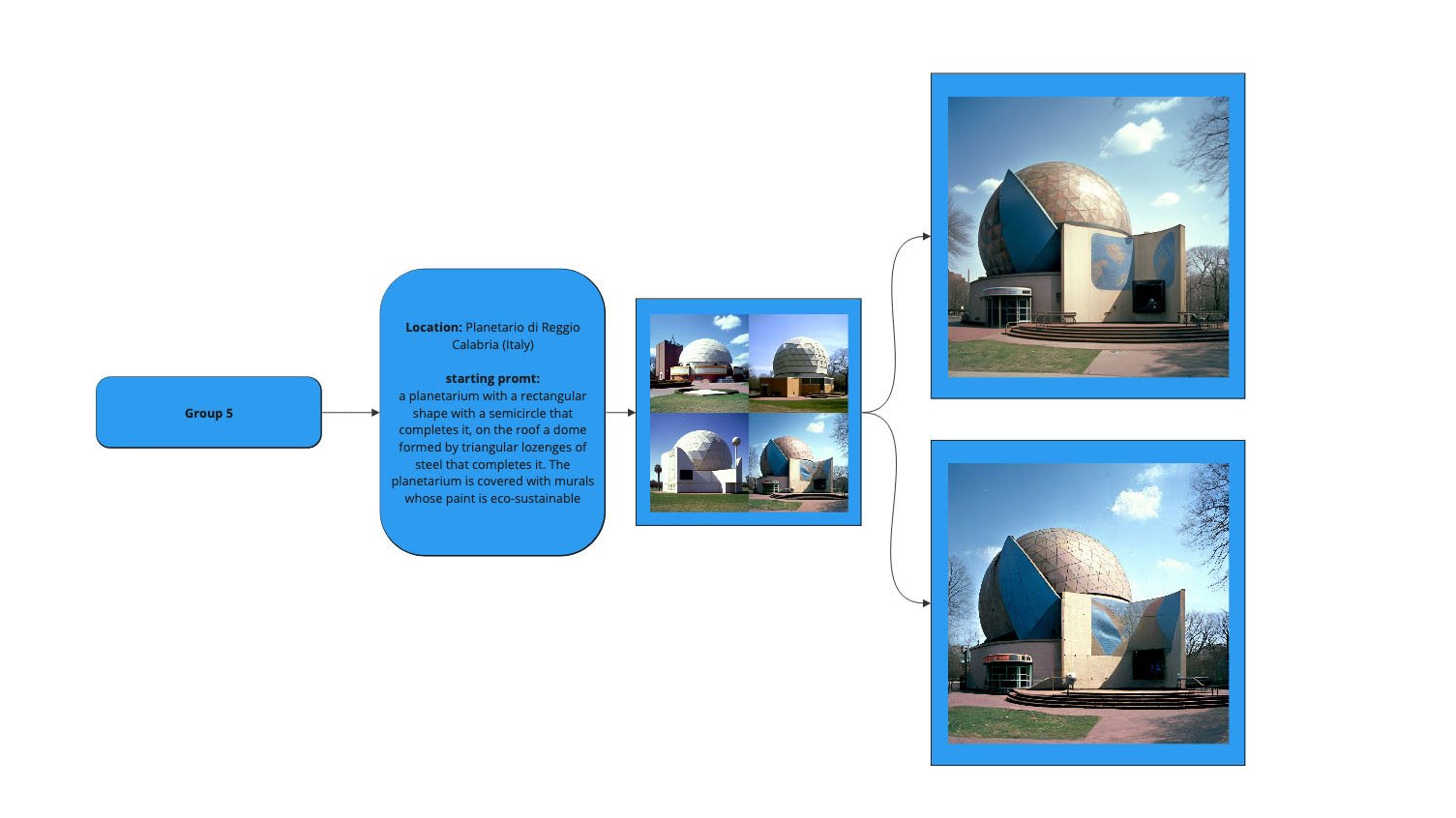
NEB: Axis 2 – Regaining a sense of belonging to places
2030 AGENDA: SDG 4 – Quality education; 11 – Make cities and human settlements inclusive, safe, resilient and sustainable.
CAMPANIA
Let’s re-connect
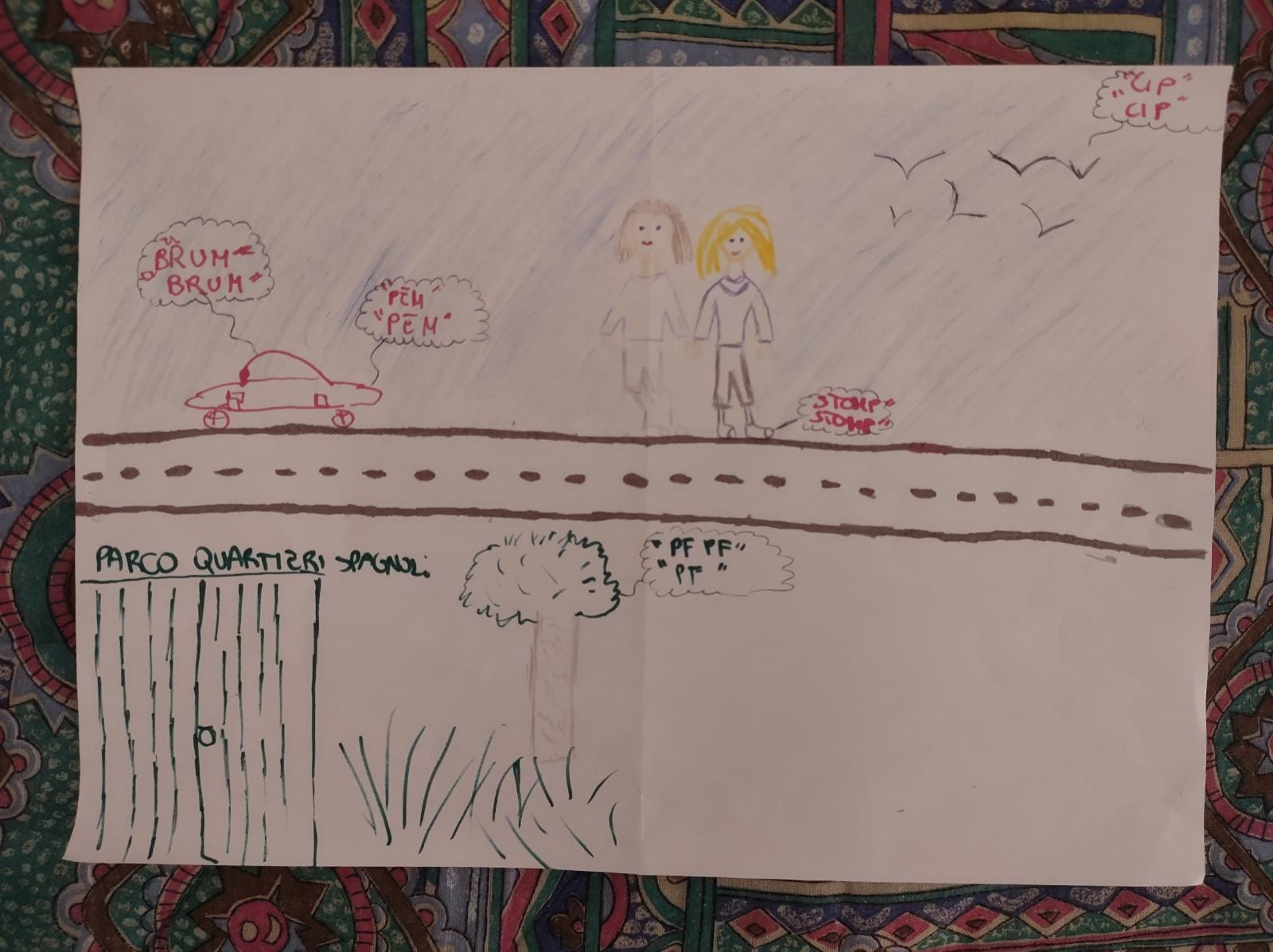
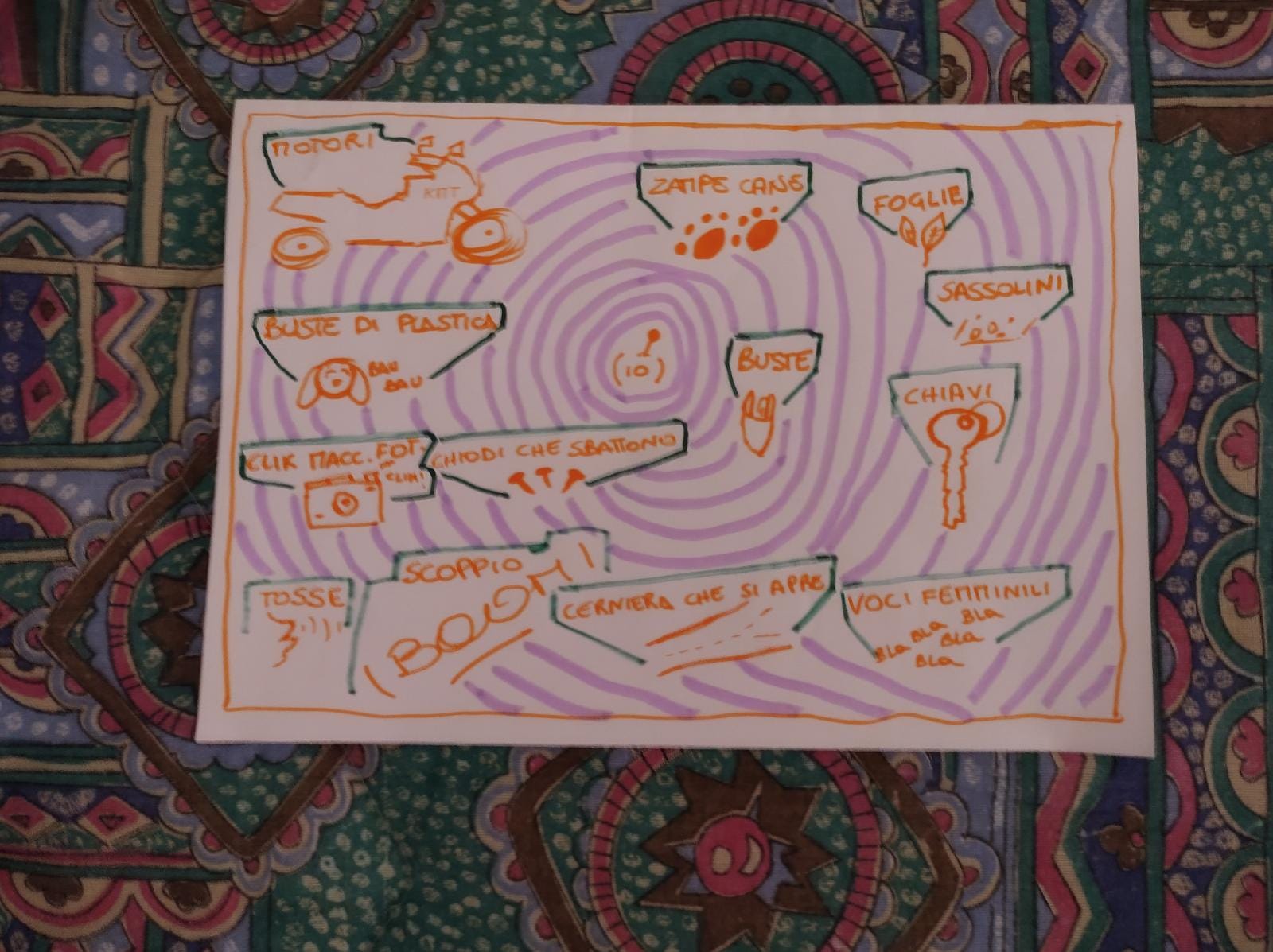
Thanks to the collaboration with ‘Nsea yet – Educazione ambientale e economia circolare and Open House Napoli, the students of the Liceo Ginnasio Statale Gian Battista Vico in Naples took part in workshops on the co-design and organisation of activities and events in the local green areas, aimed at reflecting on accessibility, inclusion and sustainability, particularly within the Parco Viviani and the Parco dei Quartieri Spagnoli in Naples. Among the activities carried out, we highlight the exploratory walks and the soundwalks in the gardens, the planting and building of flower boxes, and the organisation of dance, yoga, reading, music, games and recycling events, so as to experience these “rediscovered places” as protagonists and active citizens.
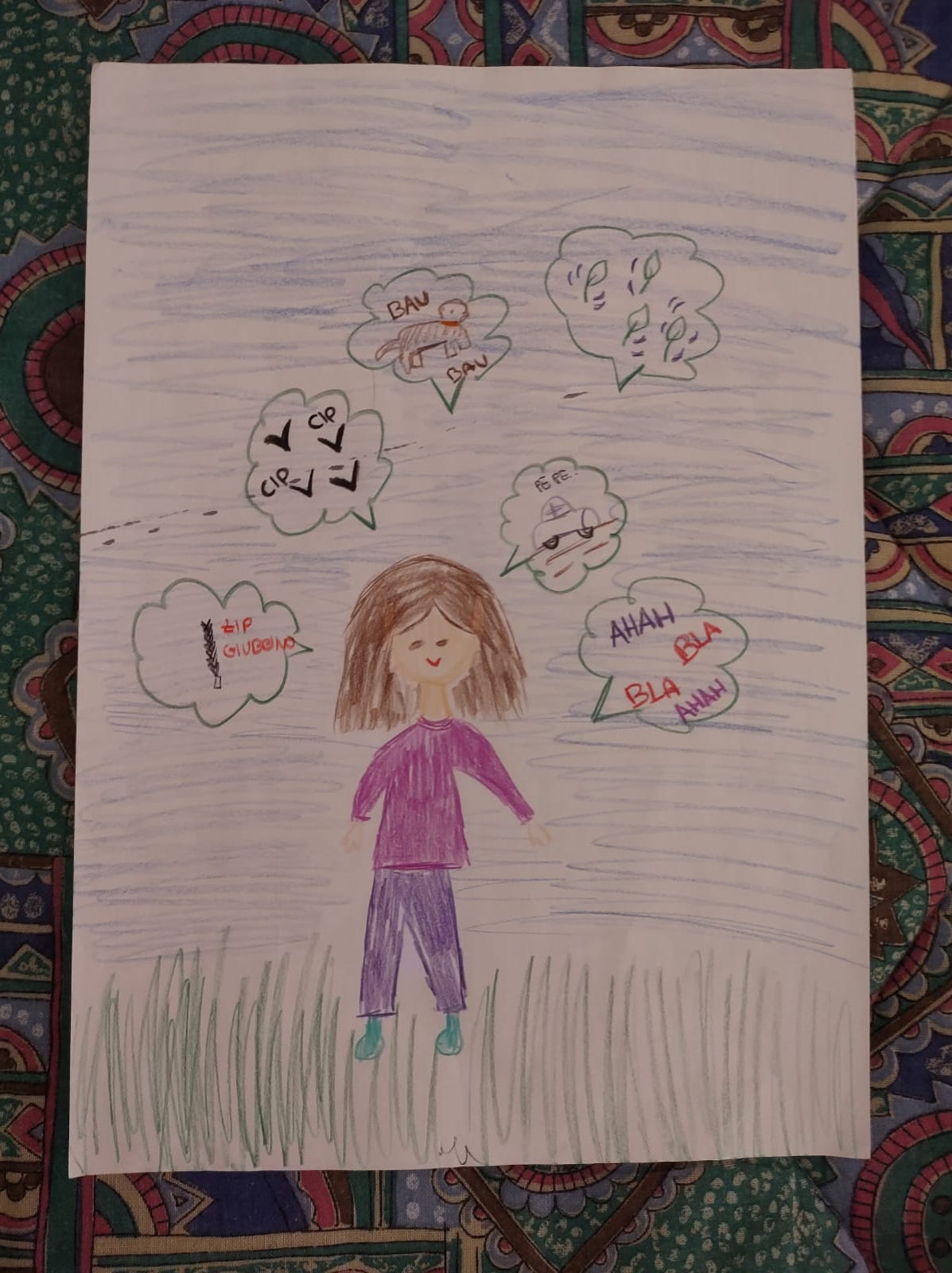
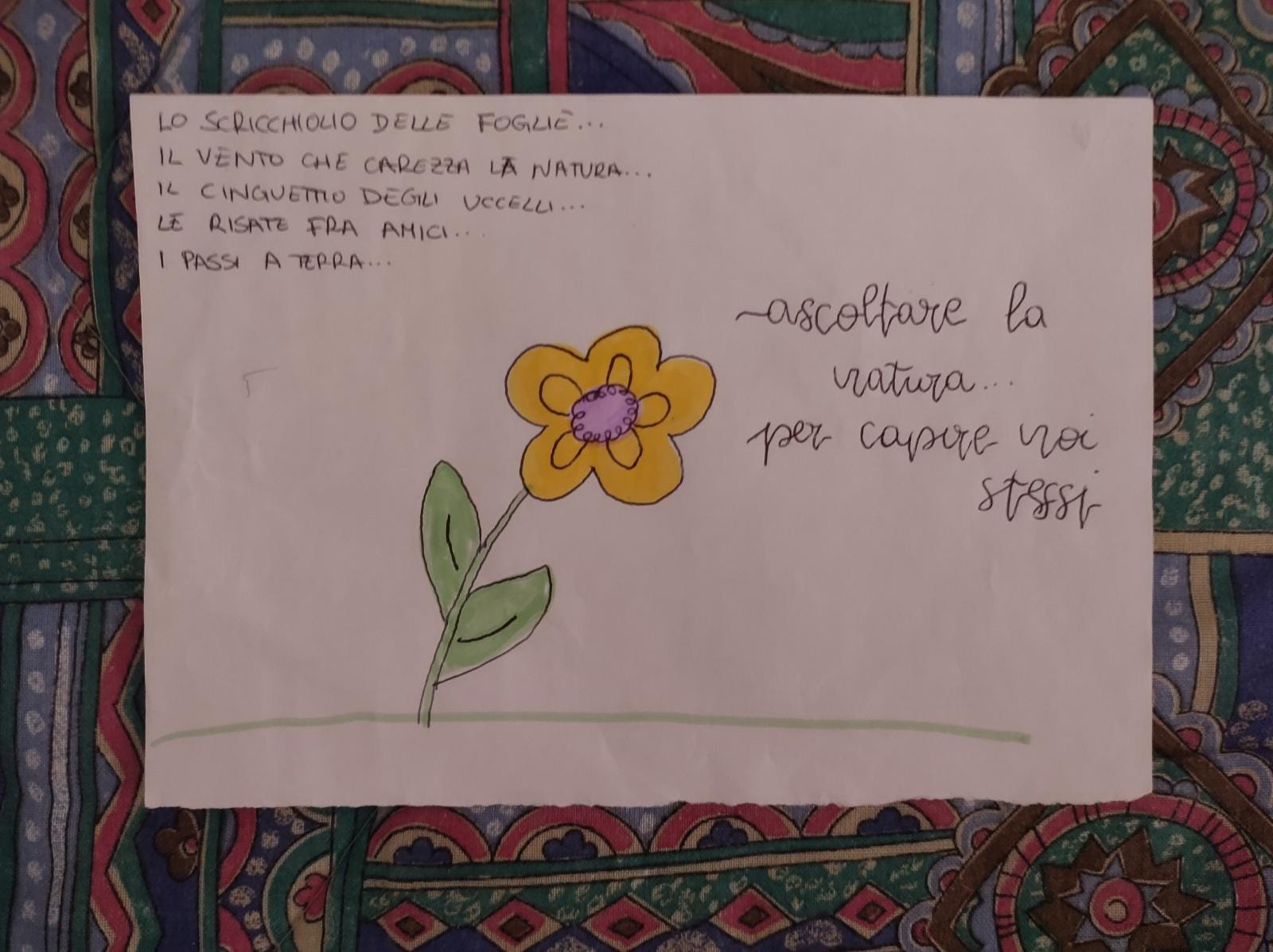
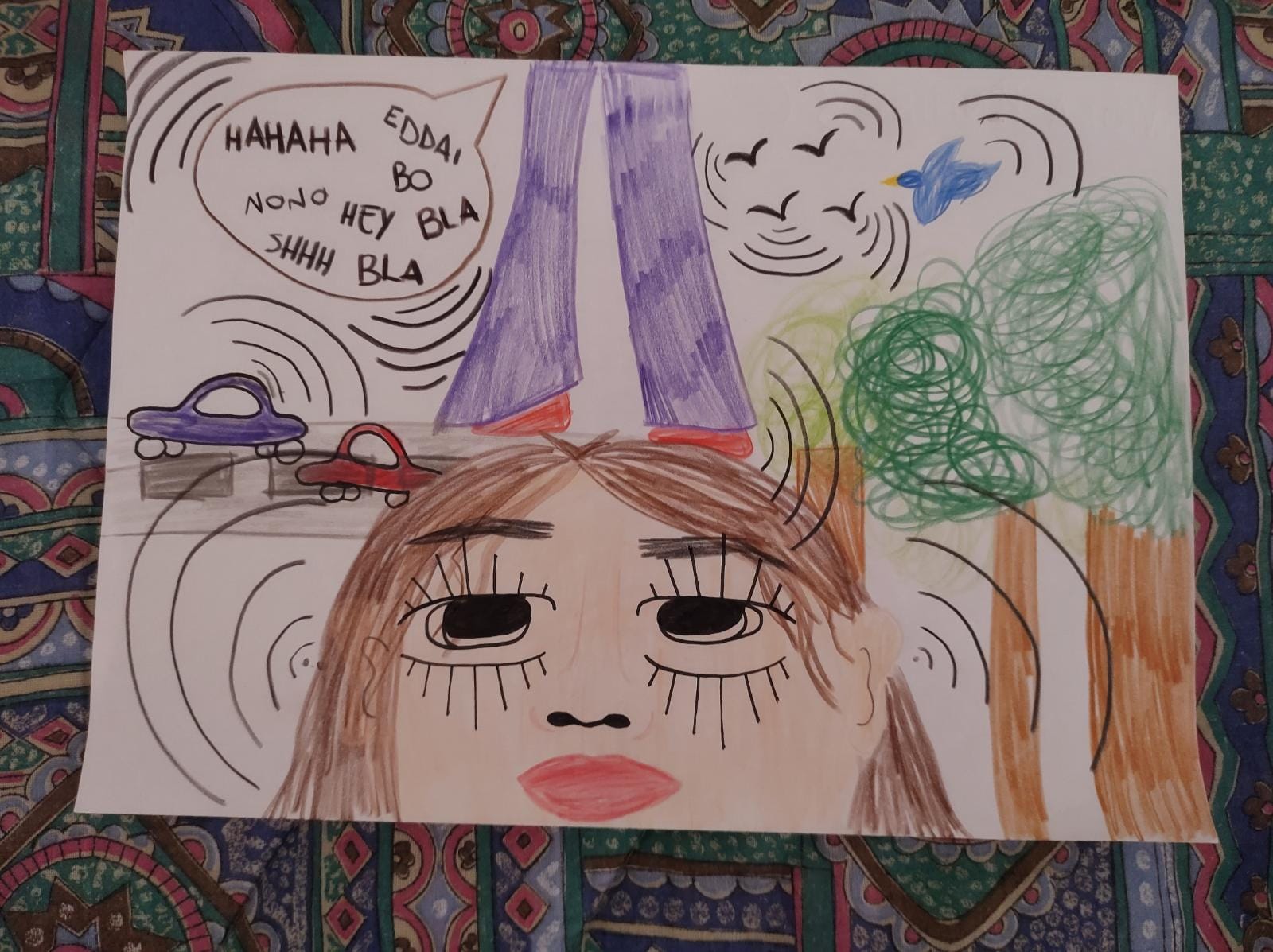
NEB: Axis 1 – reconnecting with nature; Axis 2 – regaining a sense of belonging to places and landscapes; Axis 3 – prioritising the places and people that need it most
2030 AGENDA: SDG 4 – Quality education; 10 – Reduce inequality within and among countries; 11 – Make cities and human settlements inclusive, safe, resilient and sustainable; 15 sustainable use of land.
EMILIA ROMAGNA
Ukraine and the New European Bauhaus: the heritage to be saved
Thanks to the collaboration with Professor Giulia Maria Isabella Lami, lecturer in History of the Slavic Countries and Eastern Europe at the Università di Milano, the students of the Liceo Alberghetti in Imola explored the causes of the ongoing Russo-Ukrainian conflict. Furthermore, after taking part in a seminar focused on Ukraine’s historical and artistic heritage and on the funds that the New European Bauhaus plans to allocate to the reconstruction of a large part of the cities and municipalities affected during the conflict, the students produced an informative volume (freely downloadable online) dedicated to this topic.
NEB: Axis 3 – prioritising the places and people that need it most
2030 AGENDA: SDG 4 – Quality education; 10 – reduced inequalities: reduce inequality within and among countries; 16 – Peace and justice: Promote peaceful and inclusive societies for sustainable development, provide access to justice for all and build effective, accountable and inclusive institutions at all levels.
LAZIO
Not just a game – Game design to promote heritage
Thanks to the collaboration with the association IVIPRO – Italian Videogame Program, the students of the Liceo Artistico Caravaggio in Rome approached the promotion of the historical, artistic and landscape heritage along the course of the river Tiber through the medium of video games, and in particular game design for the local area. The final product of the workshop is the creation, through digital drawing, of the project documentation (One Sheet Summary and Ten Page Document) of two interactive visual novels, “Albula” and “Mysteria Tiberis”, whose aim will be to raise players’ awareness of the protection and enhancement of the city’s river. Despite their different narrative styles and game dynamics, both game design documents also reveal a strong focus, on the part of students and teachers alike, on the themes of water pollution, water reserves and the reclaiming of the natural heritage that the Tiber represents for the city of Rome: video games can become an effective resource for telling the story of the territory and the world around us!
NEB: 1 – reconnecting with nature; Axis 2 – regaining a sense of belonging to places and landscapes;
2030 AGENDA: SDG 4 – Quality education; 6 – clean water and sanitation; 11 – Make cities and human settlements inclusive, safe, resilient and sustainable; 13 – climate action: take urgent action to combat climate change and its impacts.
LIGURIA
Lanterna 2030: Beautiful, Sustainable, Together
Thanks to the collaboration with PHAROS – Light for HERITAGE and to the advice of the Systemic Design Research & Education Center of the Politecnico di Torino, the students of the Liceo Statale P. Gobetti in Genoa were involved in designing a route which, from the western part of the city of Genoa, will lead to the Complesso monumentale della Lanterna and which, in its continuation, will include a permanent wayfinding system leading from the city’s historic centre (eastern area) to the lighthouse. The workshops draw inspiration from Renzo Piano’s concept of “urban mending” and, specifically, from the idea of re-stitching the relationship between the outlying district of Sampierdarena and the System of the Palazzi dei Rolli, declared a UNESCO World Heritage Site in 2006. The partners of the initiative are Mu.Ma – Istituzione Musei del Mare e delle Migrazioni, MEI Museo Nazionale dell’Emigrazione Italiana, Torre de Hércules – Patrimonio de la Humanidad, Municipio II Centro-Ovest, Ville Storiche di Sampierdarena, Le Strade Nuoveand the Sistema di Palazzi dei Rolli – Ufficio UNESCO.
NEB: Axis 2 – regaining a sense of belonging to places and landscapes; Axis 3 – prioritising the places and people that need it most
2030 AGENDA: SDG 4 – Quality education; 10 – Reduce inequality within and among countries; 11 – Make cities and human settlements inclusive, safe, resilient and sustainable.
LOMBARDIA
Seeking culture – the treasures of Bergamo and Brescia
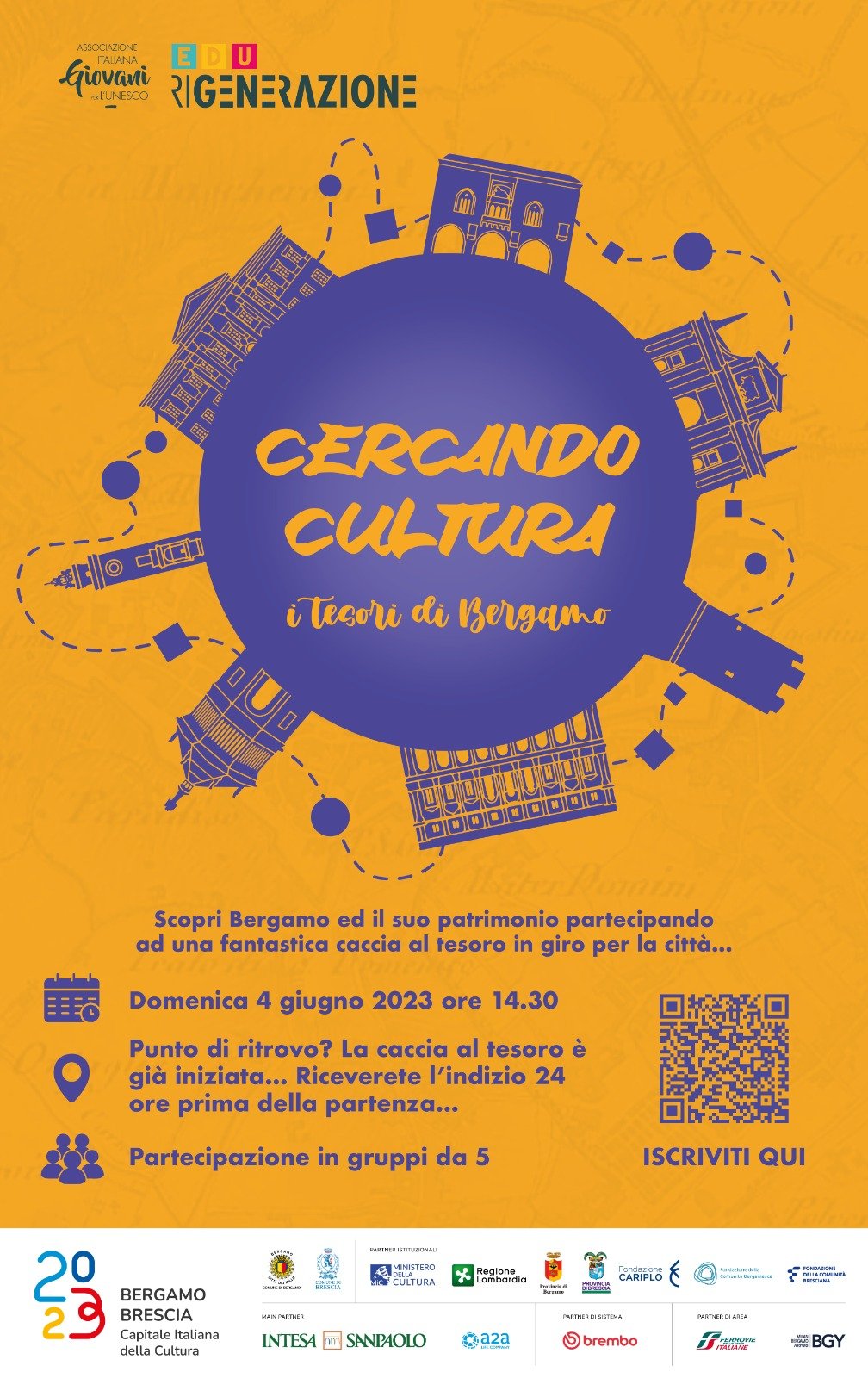
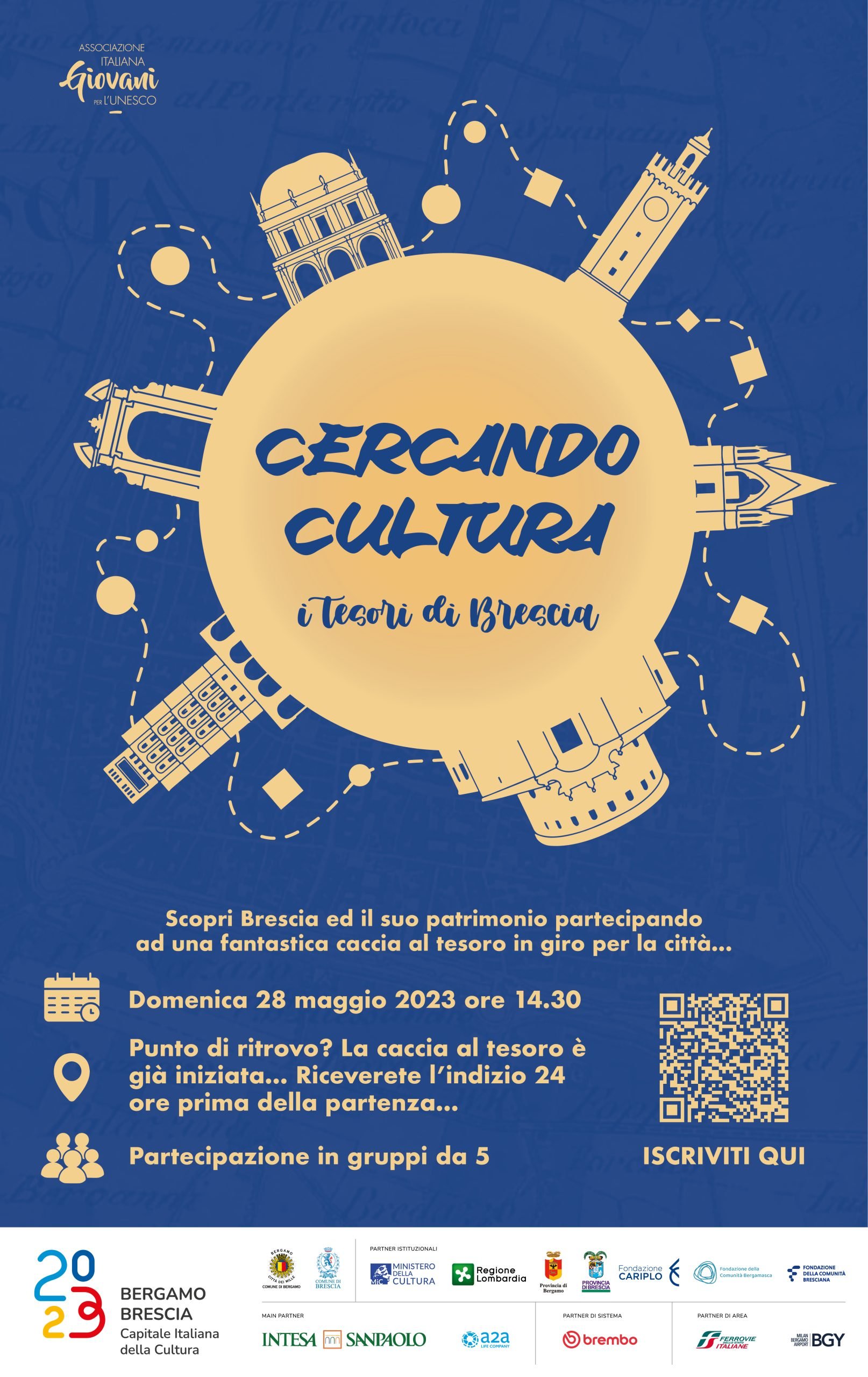
The students of the Liceo Linguistico Cristoforo Marzoli in Palazzolo sull’Oglio were introduced to the world of cultural project management by learning to organise a series of treasure hunts, aimed at an audience of their peers, to discover the heritage of the cities of Bergamo and Brescia, united by their designation as Italian Capitals of Culture 2023. The training covered all the stages involved in delivering the events, including communication through websites and social networks, the creation of graphics and posters, the search for sponsors, and the definition of the budget and the Gantt chart, enabling the students to acquire transferable skills useful for entering the world of work.
NEB: Axis 2 – regaining a sense of belonging to places and landscapes;
2030 AGENDA: SDG 4 – Quality education; 11 – Make cities and human settlements inclusive, safe, resilient and sustainable; 17 – Strengthen the means of implementation and revitalise the global partnership for sustainable development.
MARCHE
RigenerAzione 2.0
Thanks to the collaboration with the Università Politecnica delle Marche (DICEA) and with the Università degli studi di Macerata, Dipartimento di Scienze della Formazione, dei Beni Culturali e del Turismo, the students of the Liceo Scientifico G. Galilei, Macerata, carried out practical activities of digitisation and virtualisation of cultural heritage (creation of 3D models and augmented reality), and then implemented the virtual tour of the cultural site of Borgo Villa Ficana (MC) through two communication tools: the ScoolAR app and the online software Thinglink and Marzipano. The first solution offers the dual experience of virtual navigation and augmented reality visualisation through the use of smartphones inserted into paper-made viewers. The second option allows the virtual tour to be shared via a link and experienced on any device equipped with a screen, both online and offline. The final output of the workshop is a complete virtual tour of the cultural site of Borgo Villa Ficana. Thanks to the use of a 360° camera, in addition to gathering information on site, a fully digitised route through the Borgo was created, highlighting the points of interest and adding content useful for deepening knowledge of the neighbourhood: new technologies at the service of heritage!
NEB: Axis 2 – regaining a sense of belonging to places and landscapes;
2030 AGENDA: SDG 4 – Quality education; 9 Build resilient infrastructure, promote inclusive and sustainable industrialisation and foster innovation; 11 – Make cities and human settlements inclusive, safe, resilient and sustainable.
PIEMONTE
Creative Cities Network
Thanks to the collaboration with the UNESCO Chair in Economics of Culture and Heritage: strategies for protection and development of the Università degli Studi di Torino, AIGU Piemonte delivered an EDU ACADEMY project aimed at students of the Università degli Studi di Torino, designed to deepen their knowledge of the UNESCO Creative Cities NETWORK and in particular of the Piedmontese Creative Cities: Turin (design); Alba (gastronomy) and Biella (crafts and folk art). The output of the workshop was the support that the students provided to the AIGU Piemonte regional group in several organisational phases of the Italian Youth Forum, held in Turin in April 2023. Thanks to their support, the following were produced: illustrative material, a PowerPoint presentation, the management of invitations to local associations and the development of the local network.
NEB: Axis 2 – regaining a sense of belonging to places and landscapes;
2030 AGENDA: SDG 4 – Quality education; 9 Build resilient infrastructure, promote inclusive and sustainable industrialisation and foster innovation; 11 – Make cities and human settlements inclusive, safe, resilient and sustainable; 17 – Partnerships for the goals: strengthen the means of implementation and revitalise the global partnership for sustainable development.
SICILIA
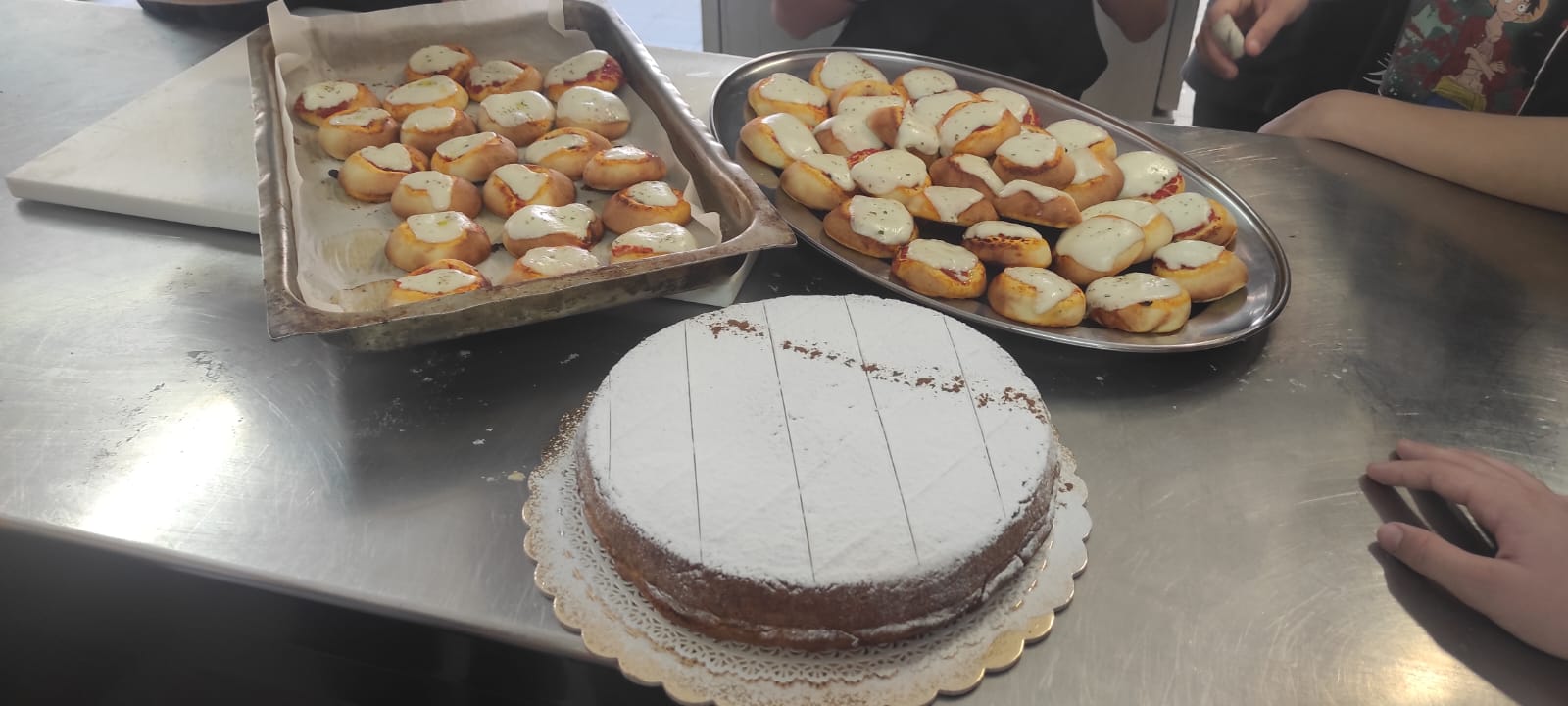
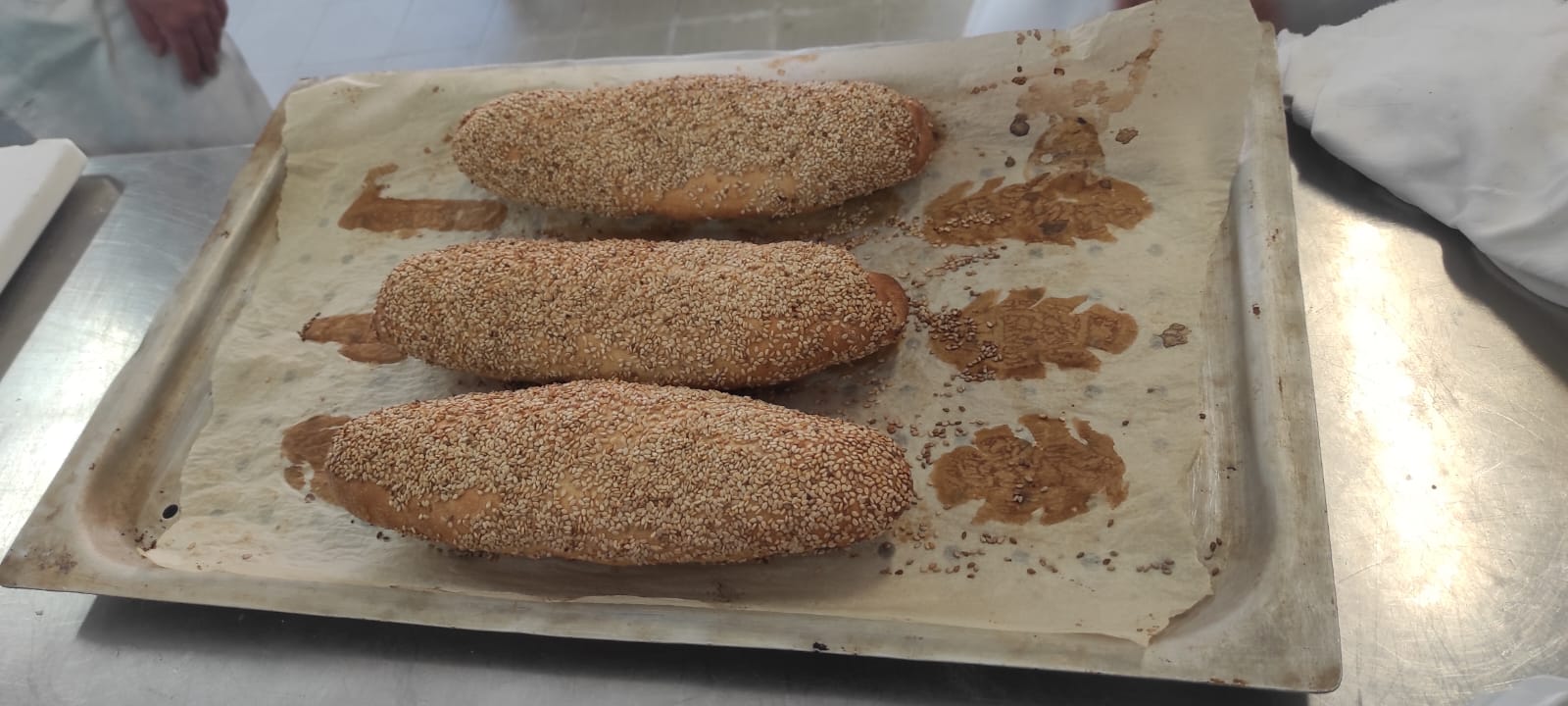
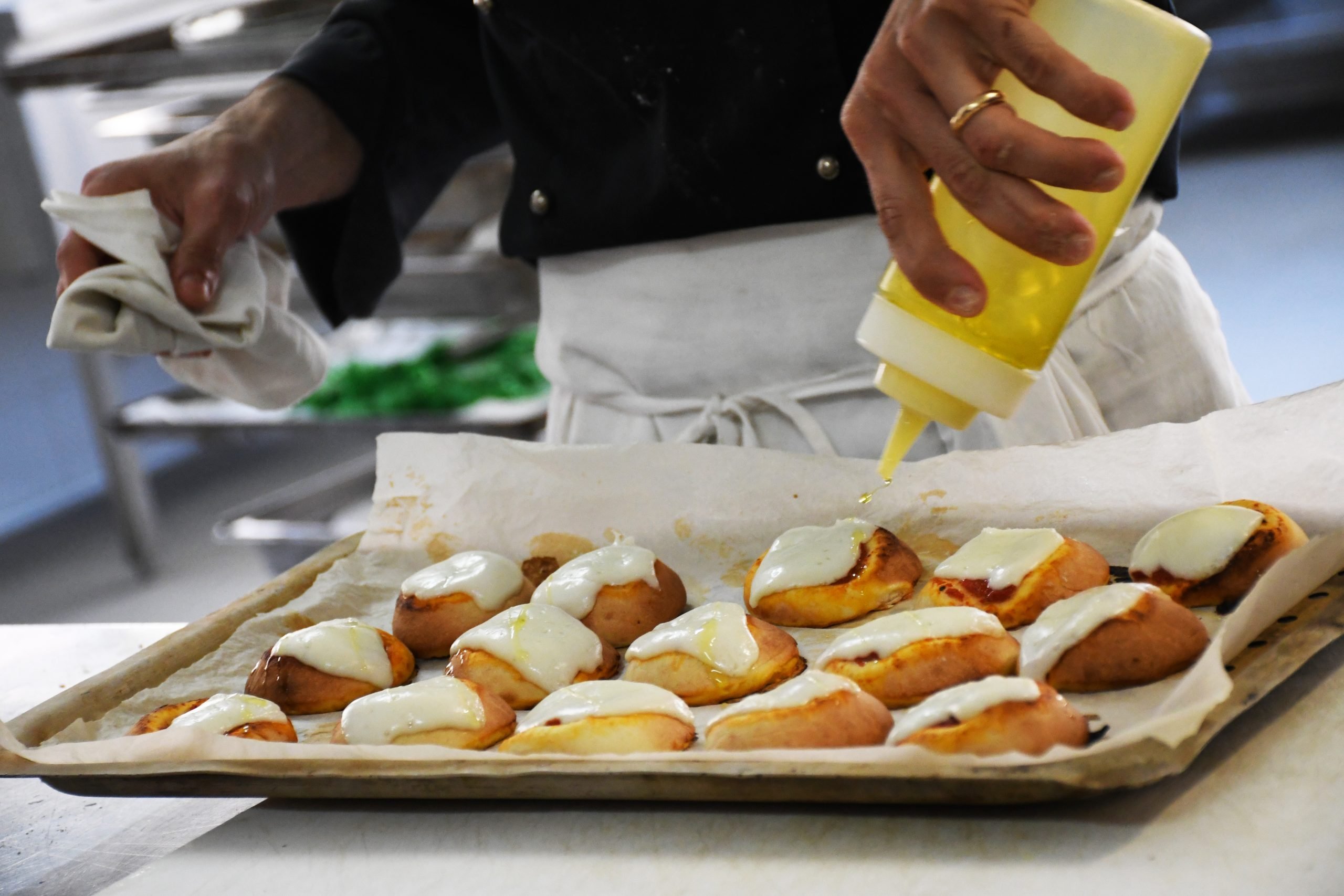
The shared diet
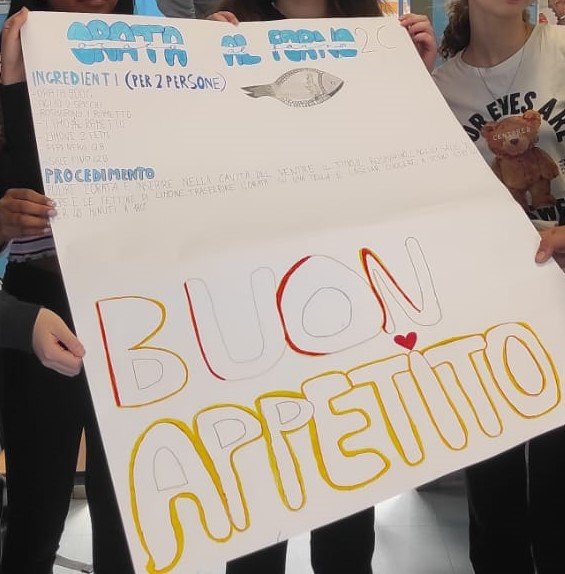
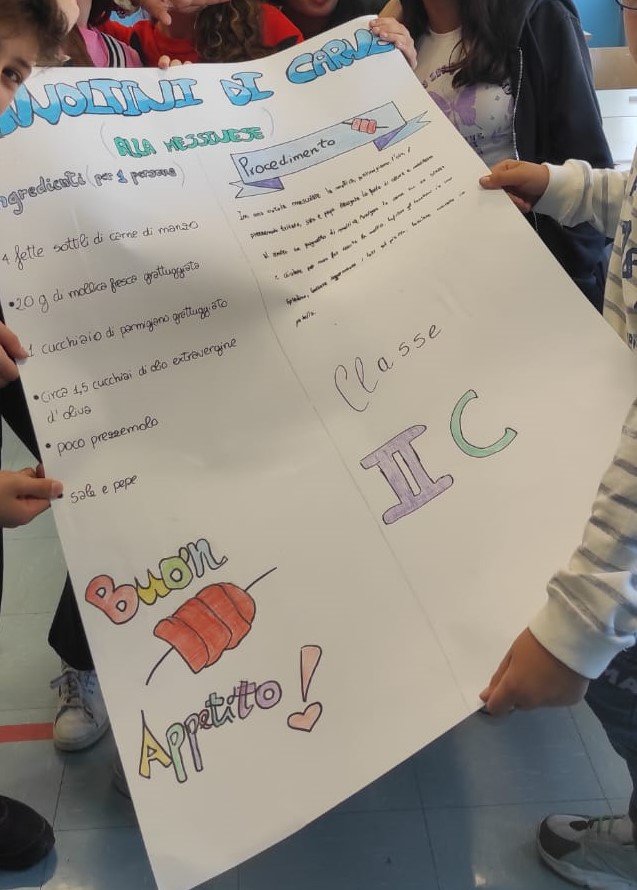
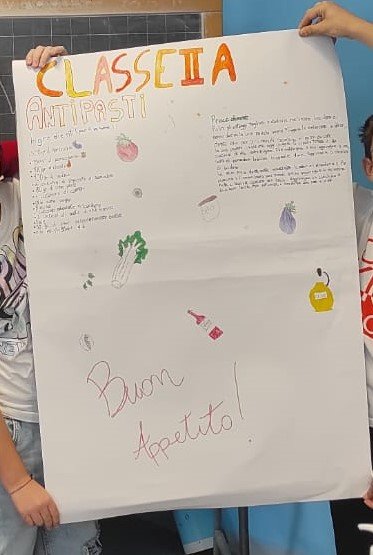
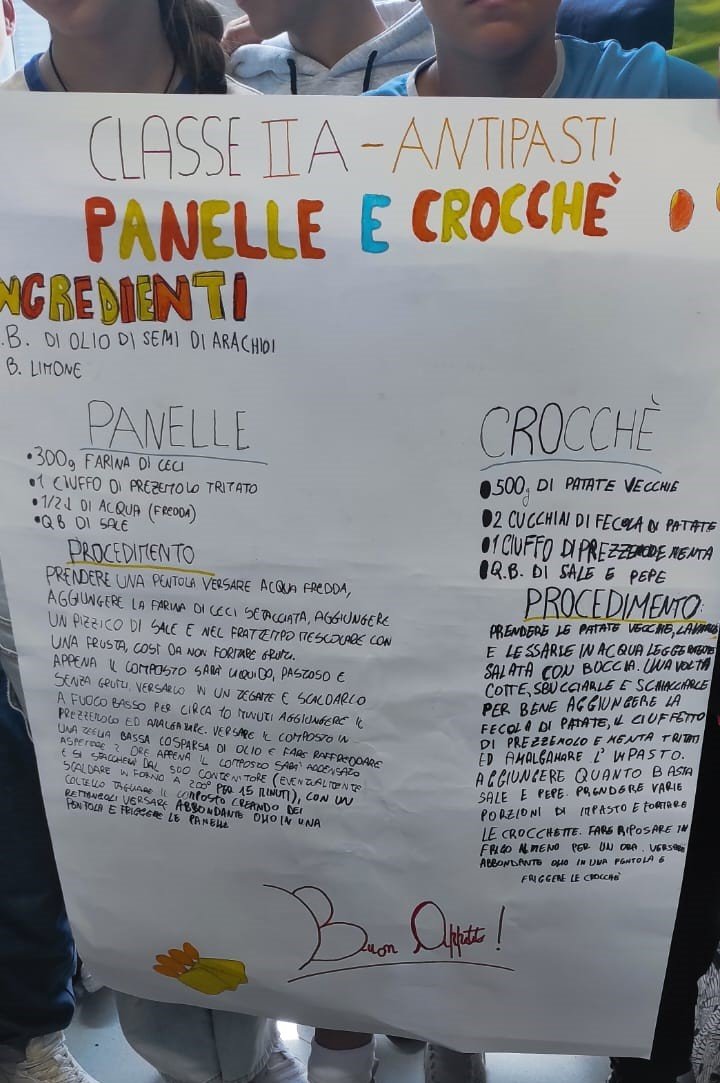
The students of the Istituto Comprensivo Francesco Riso in Isola delle Femmine, in the province of Palermo, were involved in a workshop on the Mediterranean Diet, recognised as intangible heritage by UNESCO. The aim of the programme is to raise awareness of the preservation and transmission of ancient knowledge and traditions, linked to a way of life shared across the Mediterranean basin, which is unique in its richness of biodiversity. The final products of the workshop were the students’ recipe books (panelle, crocchè and caponata; among the first courses, pasta al pomodoro and pasta with anchovies; among the main courses, meat roulades and baked sea bream; mixed salad as a side dish and cannolo as dessert) and the preparation of traditional dishes alongside a chef, with a nutritional assessment of the gastronomic components: typical Sicilian street food and bread.
NEB: Axis 2 – regaining a sense of belonging to places and landscapes;
2030 AGENDA: SDG 4 – Quality education; 2 – Zero hunger: end hunger, achieve food security, improve nutrition and promote sustainable agriculture; 3 – good health: ensure healthy lives and promote well-being for all at all ages.
TRENTINO-ALTO ADIGE
Flows
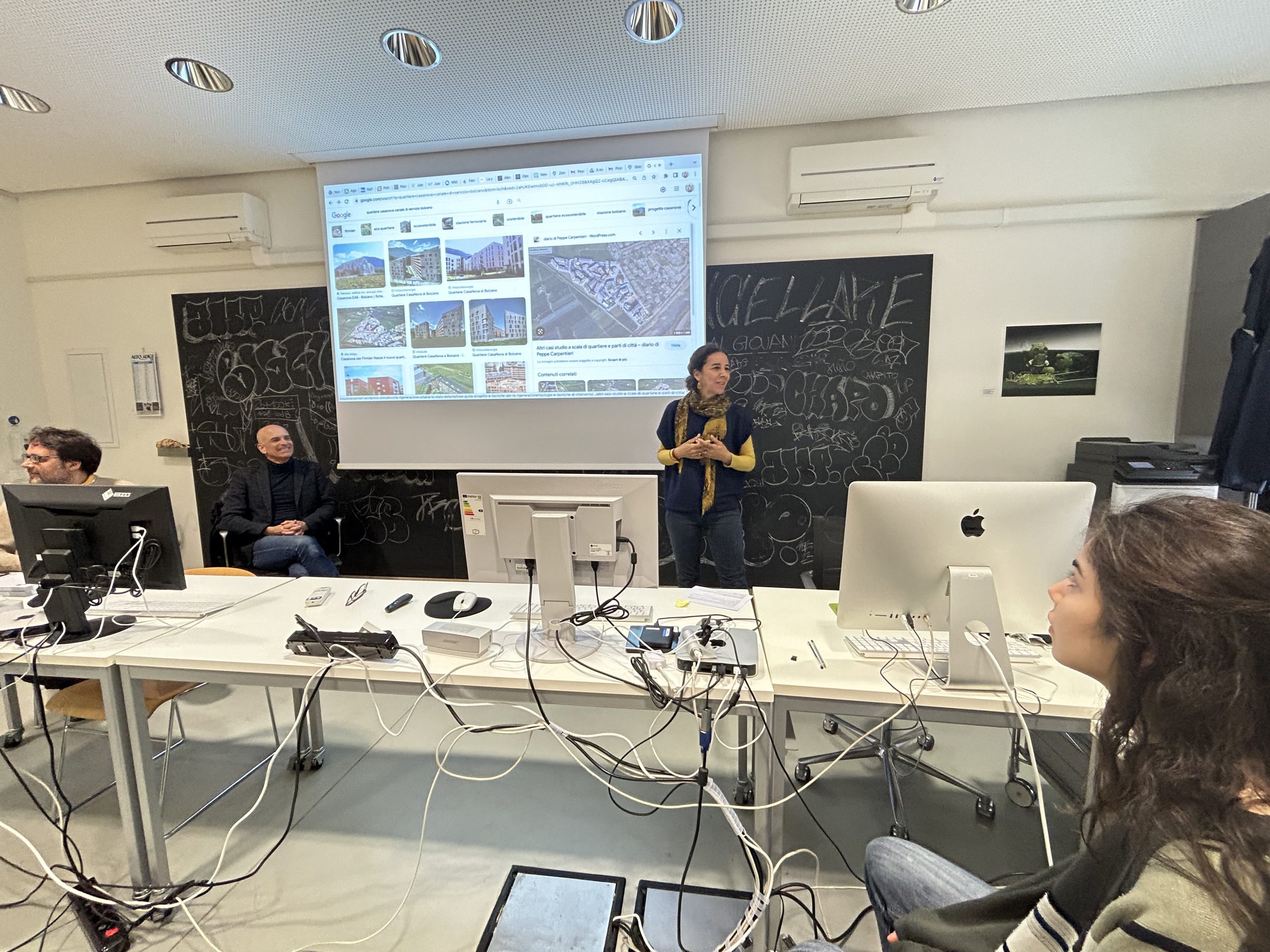
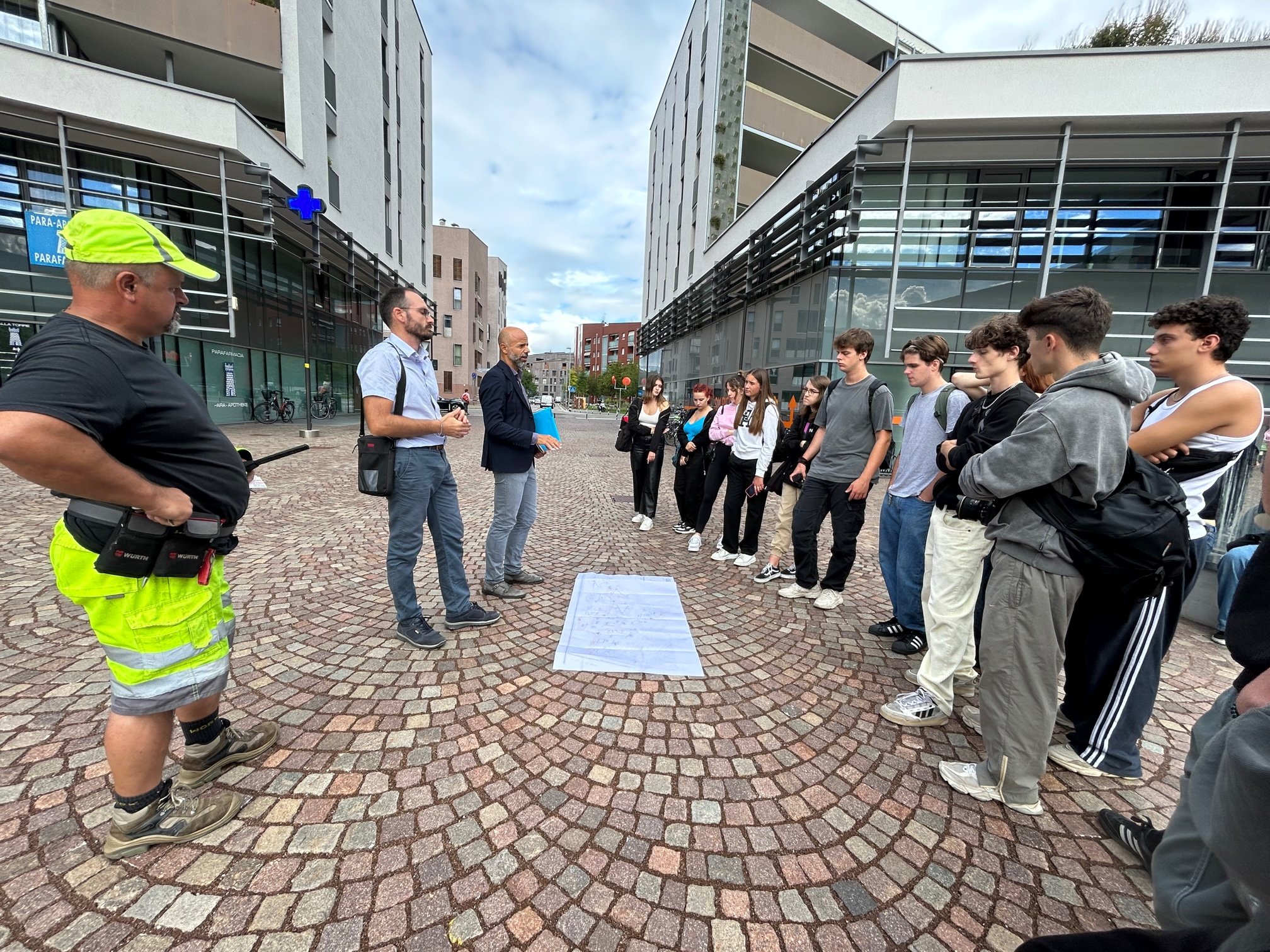
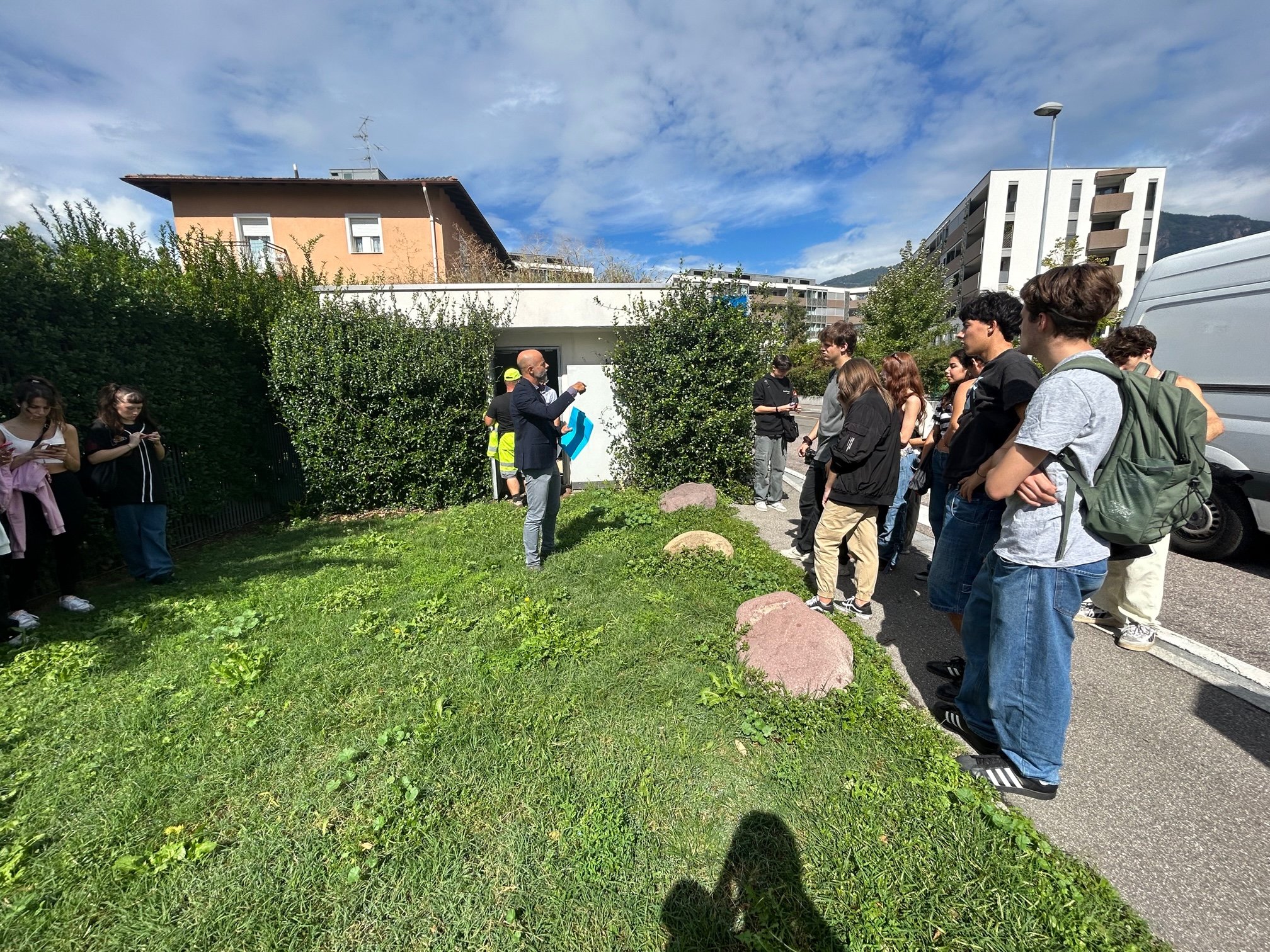
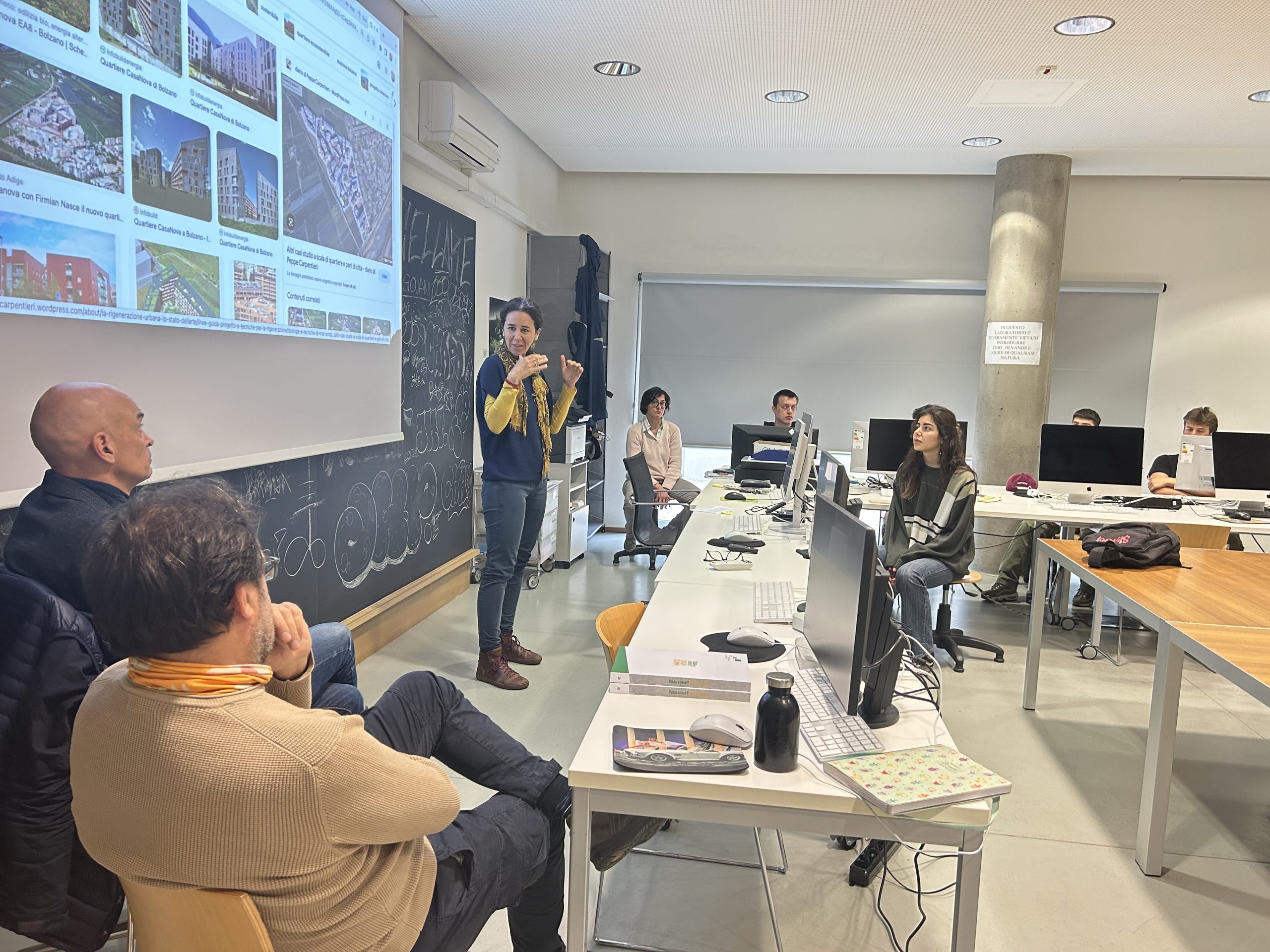
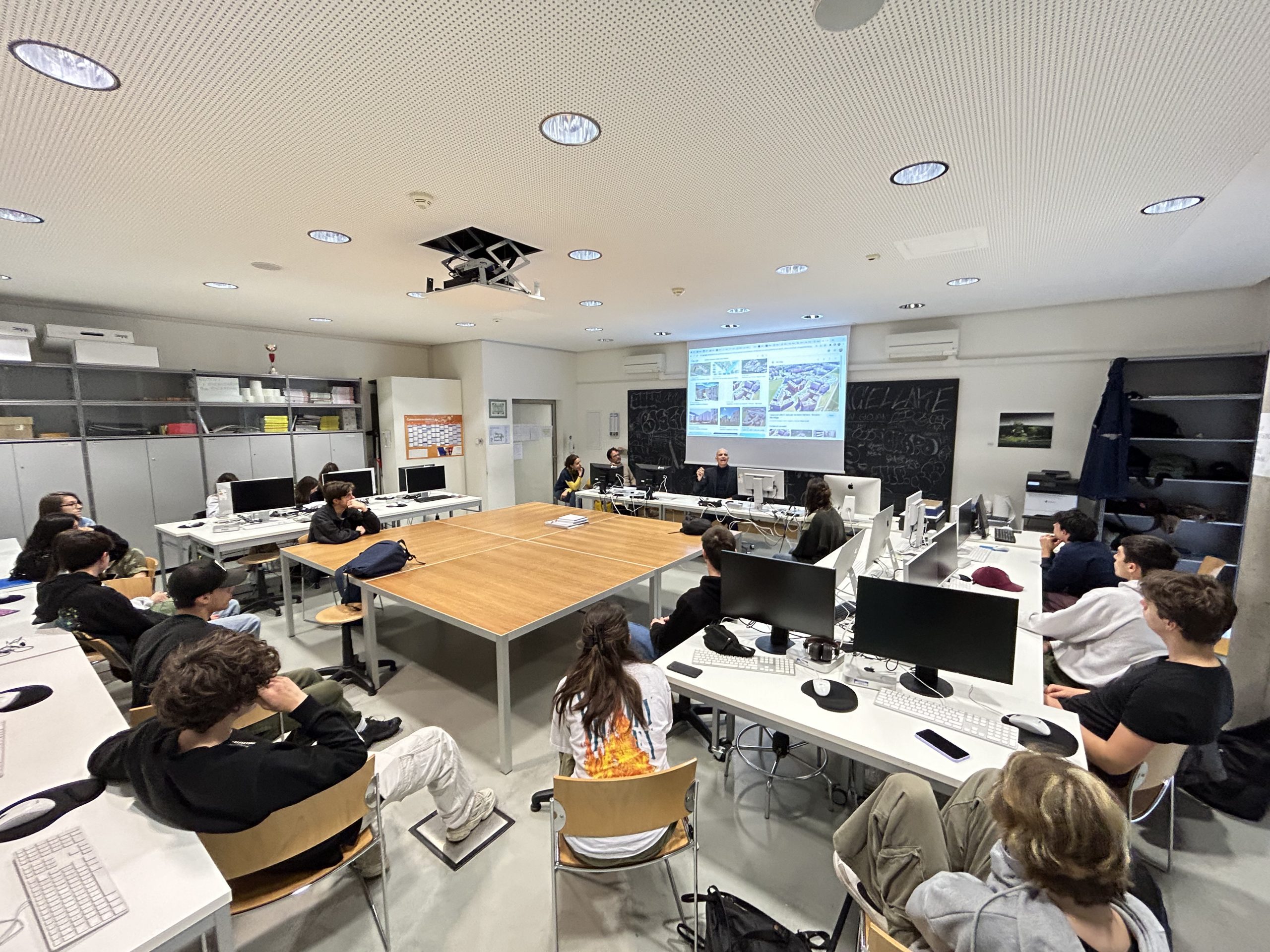
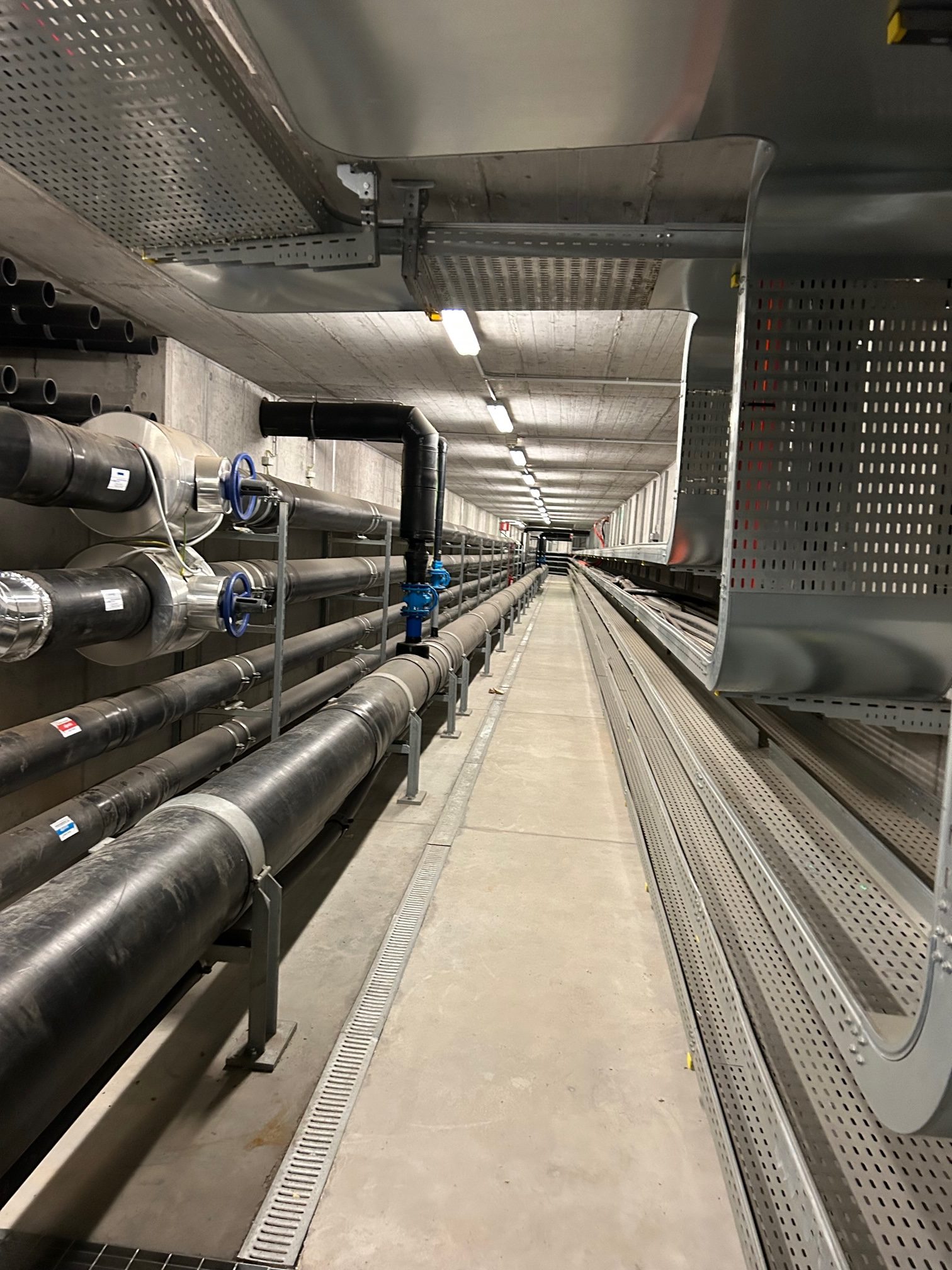
The students of the Liceo artistico-indirizzo grafico Pascoli in Bolzano deepened their understanding of the complexities characterising Bolzano’s urban development through the case study of the CasaNova district. Built in a historically significant area, this innovative eco-district made up of ClimateHouses (Klimahaus) managed by IPES, Istituto per l’Edilizia Sociale dell’Alto Adige, is in fact also marked by the high socio-economic fragility of its inhabitants.
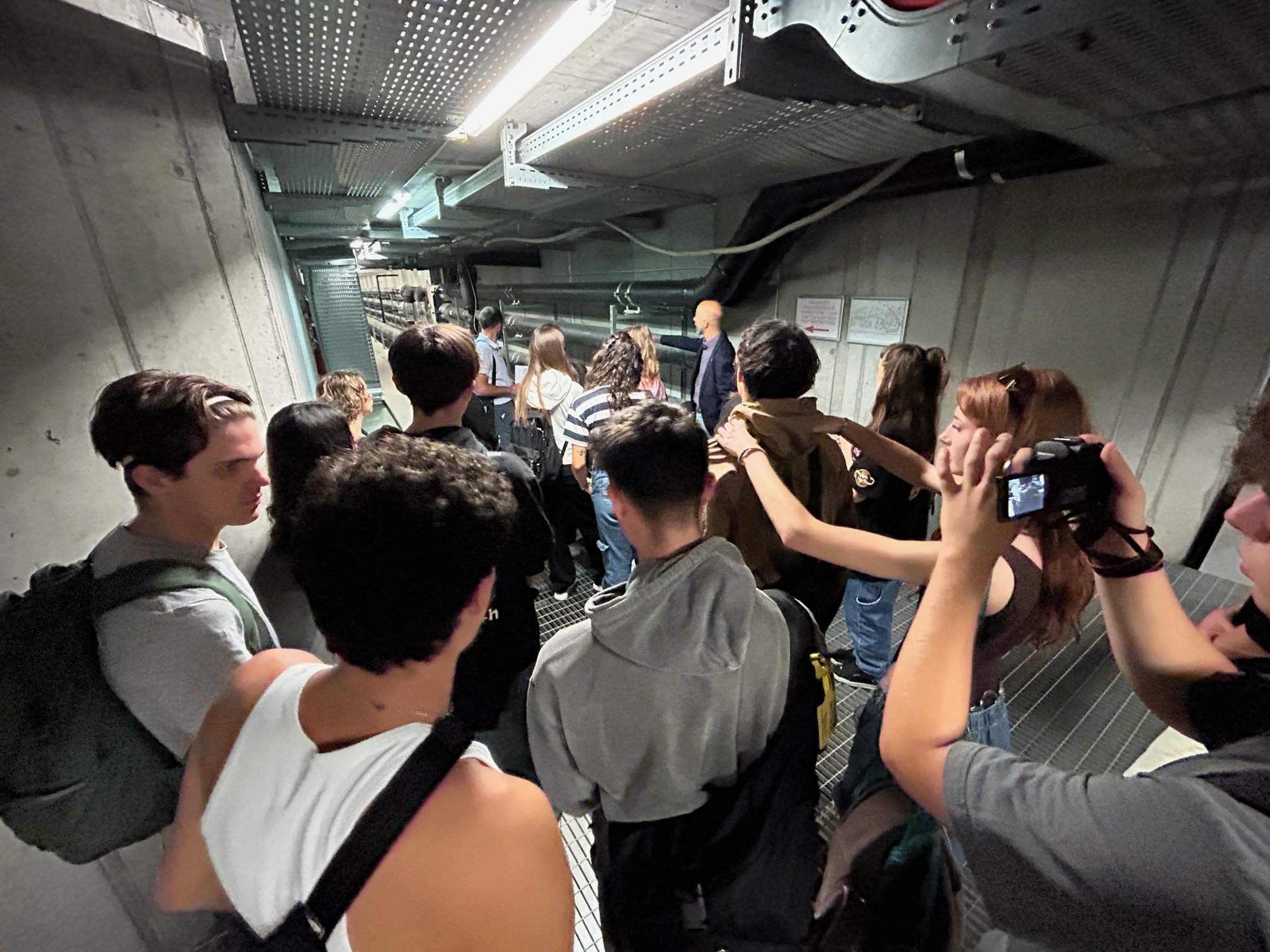
Starting from theoretical sessions with experts and an exclusive visit to the underground levels, the students conceived and produced a mini-documentary, inspired by Human (2015) by Yann Arthus-Bertrand. Drone footage and several one-to-one interviews thus recount, through a creative medium, the reflections developed around the theme of urban and suburban development in South Tyrol, as a crossroads of socio-cultural geographies and different stories of mobility.
NEB: Axis 1 – reconnecting with nature; Axis 2 – regaining a sense of belonging to places and landscapes; Axis 3 – prioritising the places and people that need it most.
2030 AGENDA: SDG 4 – Quality education; SDG 9 – Build resilient infrastructure, promote inclusive and sustainable industrialisation and foster innovation ; SDG 11 – Make cities and human settlements inclusive, safe, resilient and sustainable.
VENETO
Recycl-ink
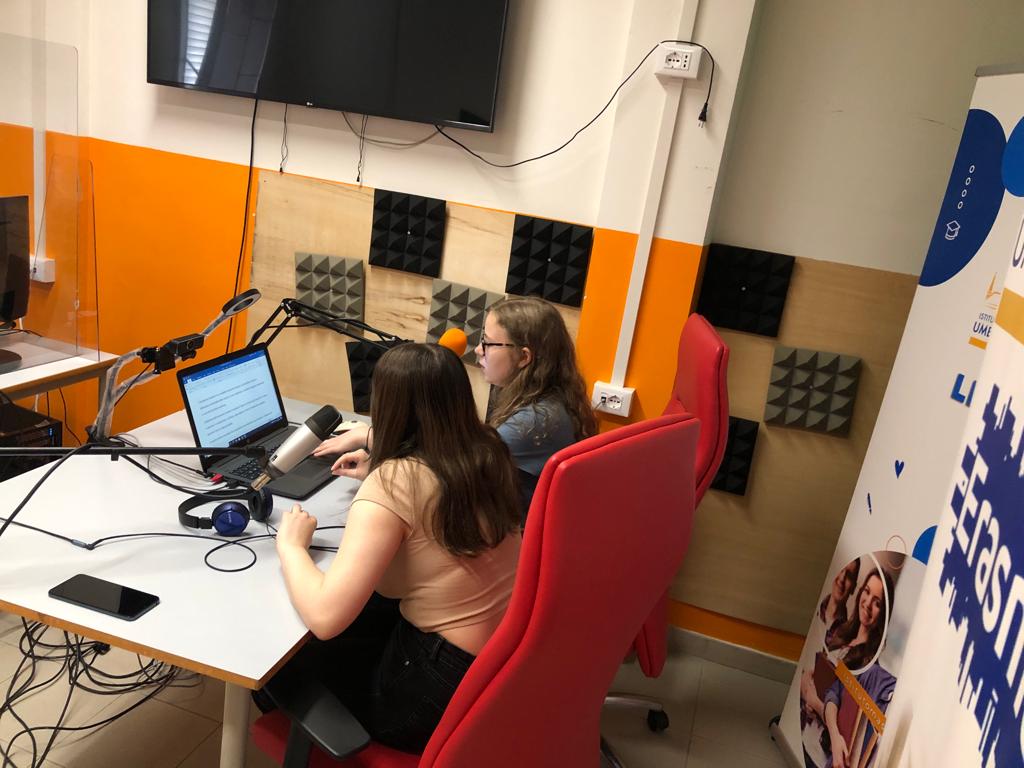
Thanks to the partner Hubergroup Italia, the students of the I.I.S. Umberto Masotto in Noventa Vicentina reflected on the theme of the circular economy by learning about different approaches to food packaging design (in particular the use of inks) and its mindful use. They discussed with the class how industrial models can be adapted to nature, converting production processes and assimilating the materials used to natural elements, which must therefore regenerate (a system known as “Cradle to Cradle” – C2C). The students’ reflections came together in a podcast of their own production, shared on the school’s Spotify channel – “Masotto in Podcast”, to raise young people’s awareness of the topic.
NEB: Axis 1 – reconnecting with nature
2030 AGENDA: SDG 4 – Quality education; 9 – innovation and infrastructure: build resilient infrastructure, promote inclusive and sustainable industrialisation and foster innovation; 12 – responsible consumption and production: ensure sustainable consumption and production patterns.