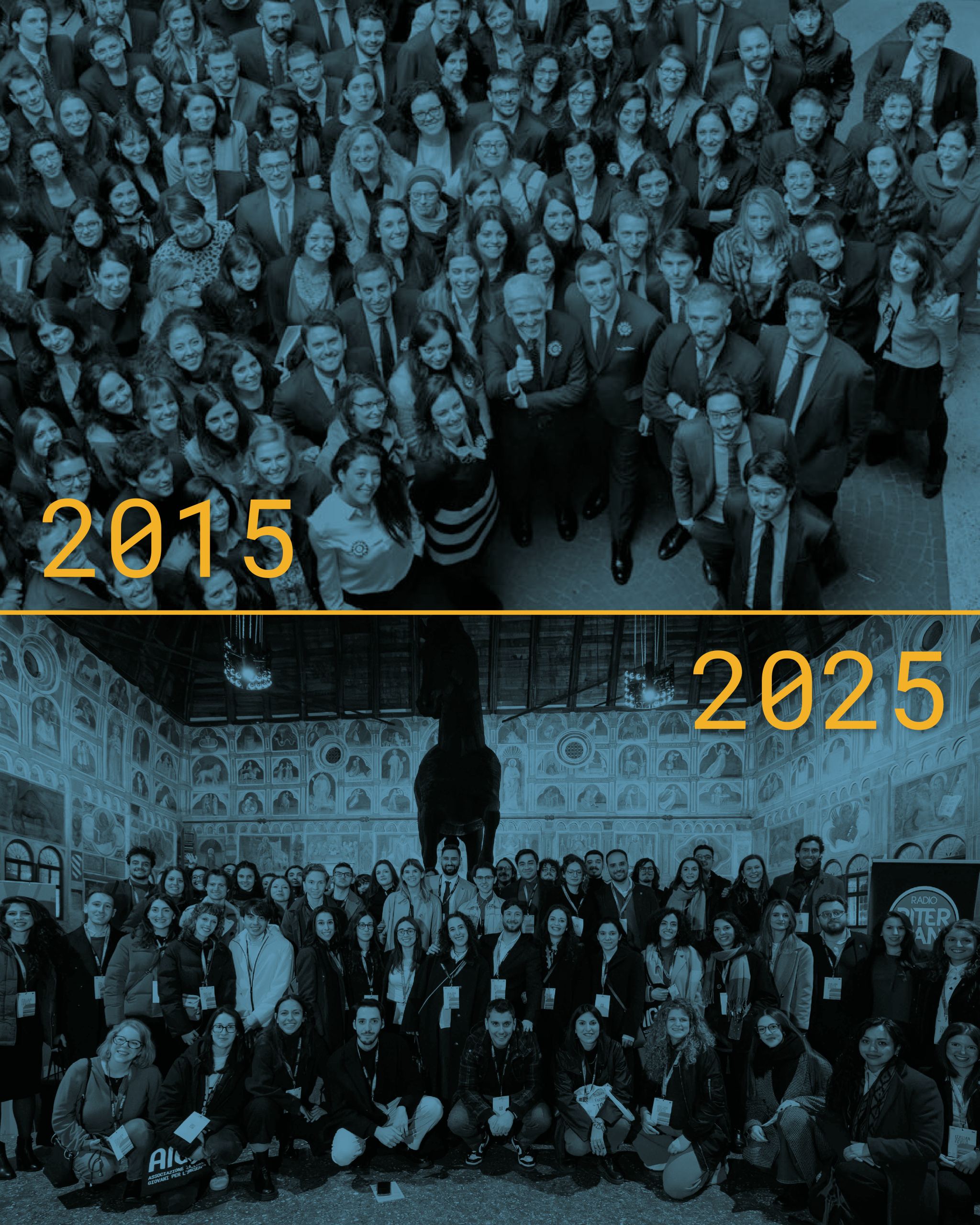
AIGU turns 10
10 years of passion
10 years of civic commitment
10 years of the AIGU community
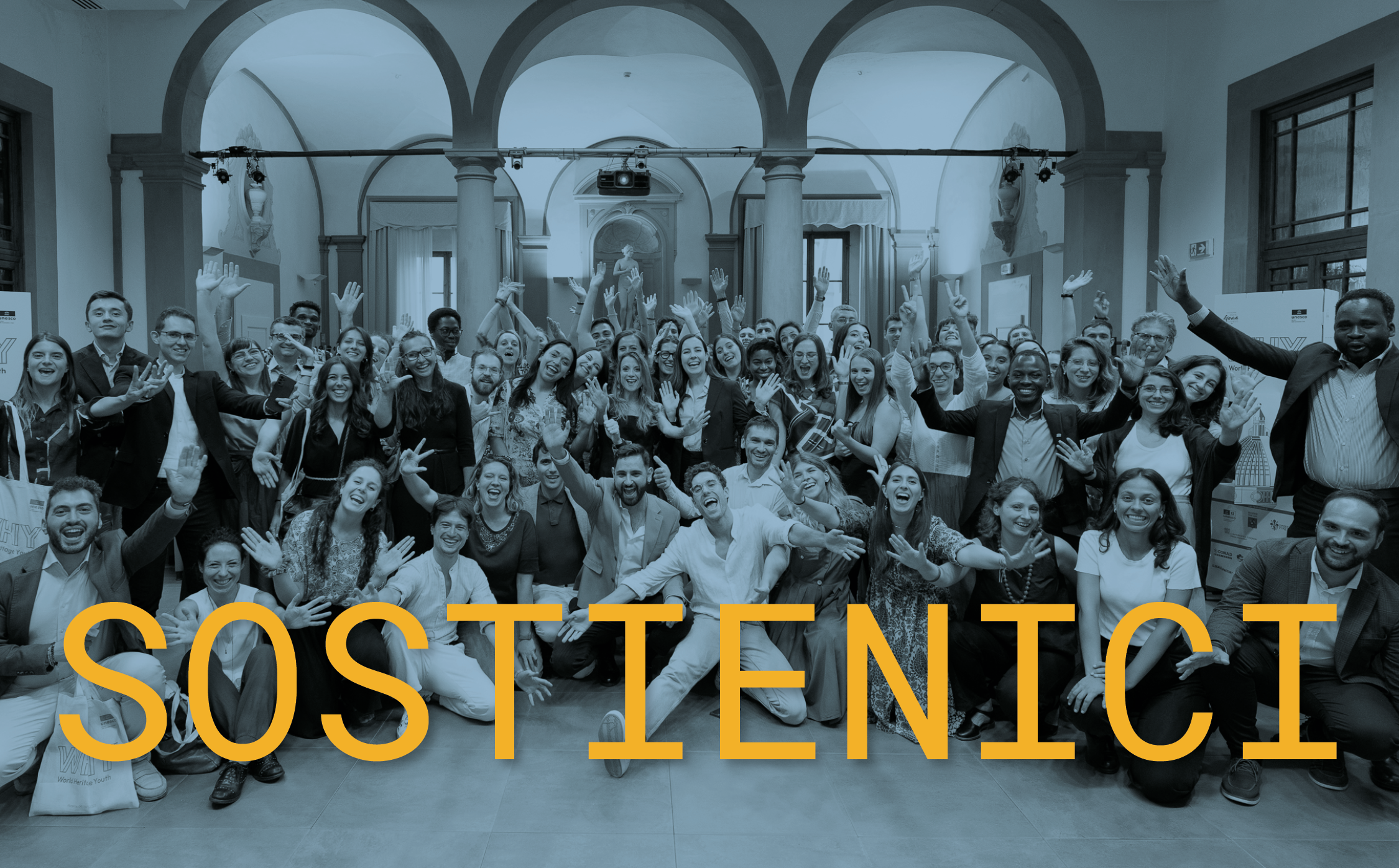
AIGU has always been committed to delivering projects and events across Italy, through regional projects and national events such as the EDU project and the Italian Youth Forum, among the most important cultural projects linked to the world of education and youth engagement on the major UNESCO themes in the national and international debate.
AIGU has been recognised by UNESCO as an international best practice among youth associations and clubs and has received the Medal of Representation from President Sergio Mattarella.
MILESTONES
IN NUMBERS | 2015-2025
- More than 800 members over these 10 years of activity;
- More than 600 regional, national and international events;
- More than 100 institutions involved;
- 7 Italian Youth Forums;
- Almost 2,000 young people involved in the IYFs;
- More than 130 EDU workshops;
- More than 9,000 students and 200 schools involved in the EDU workshops;
- 1 recognition by UNESCO as an international best practice among youth associations;
- 1 Medal of Representation awarded by the President of the Republic Sergio Mattarella.
Over the years, AIGU has collaborated with more than 100 national and international institutions, including the Italian National Commission for UNESCO, the UNESCO World Heritage Centre, ministries, regions, universities and cultural bodies, building a solid, cross-cutting network in the service of change.
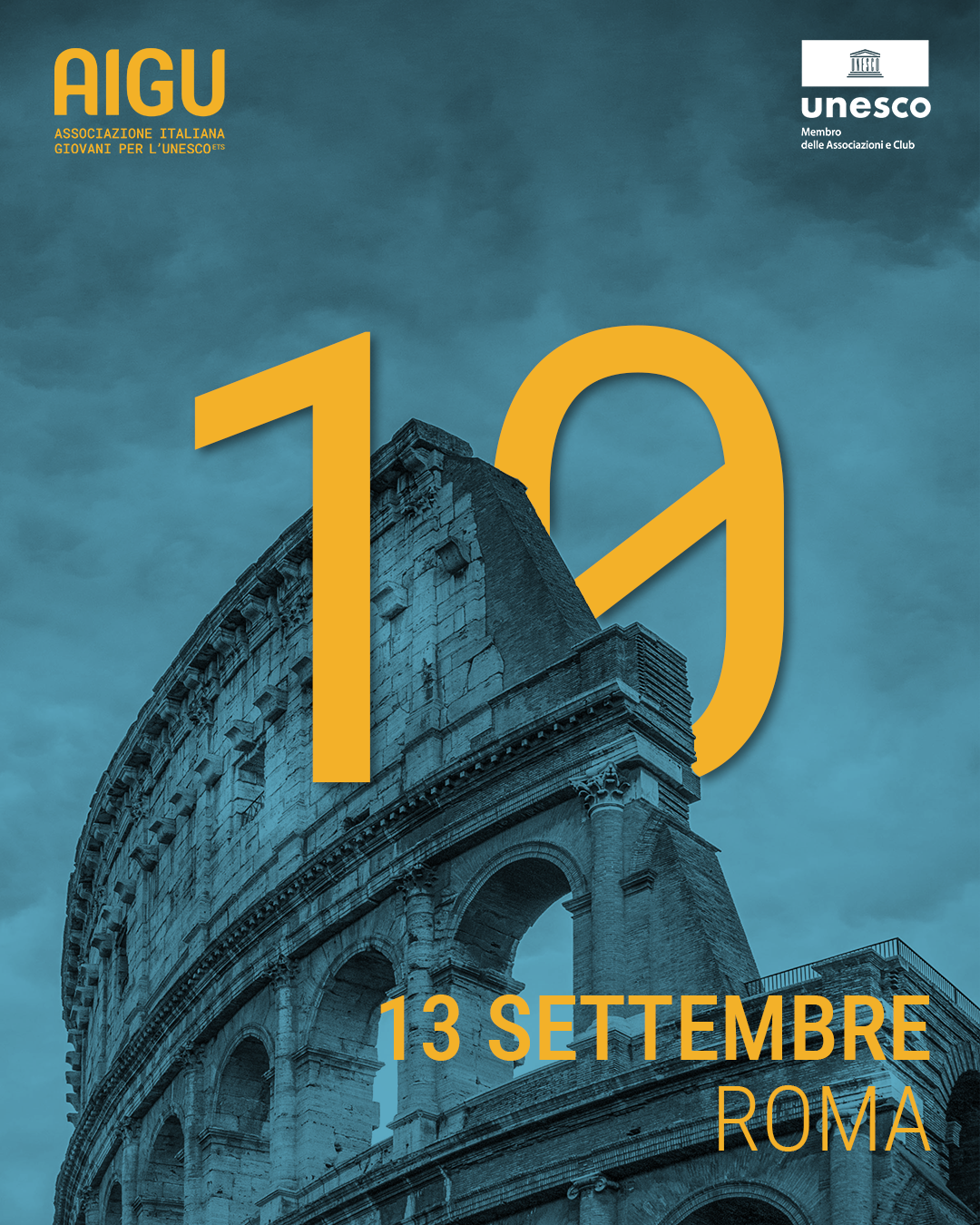
Let’s celebrate this milestone together on 13 September in Rome
We will talk about our past and the birth of AIGU together with its founders, retracing the main themes and the impact on young people; about the present, with the main projects we are engaged in today; and about the future, presenting, together with our partners, projects that look at today’s reality and at the challenges of the near future.
At the centre of the debate will be the theme of communities, understood as groups of individuals who share common values and goals for the promotion of the wellbeing and sustainable development of the areas they belong to, and who are fundamental to the management and safeguarding of tangible and intangible Heritage.
In its first 10 years of activity, AIGU has worked tirelessly to promote youth activism and mobilise youth communities to tackle global and local challenges, engaging young people of school and university age and working closely with local, national and international institutions and strategic partners.
Through its deep-rooted presence across the country, innovative projects and collaborations at local, regional and national level, AIGU has inspired and mobilised young people to tackle crucial challenges such as education, sustainability and inclusion, and the safeguarding and transmission of heritage, helping to create a global agenda for youth empowerment that brings value to the development of the communities themselves.
PROGRAMME
SATURDAY 13 | 9
- 16:15 Welcome and registration
- 17:00 Plenary event
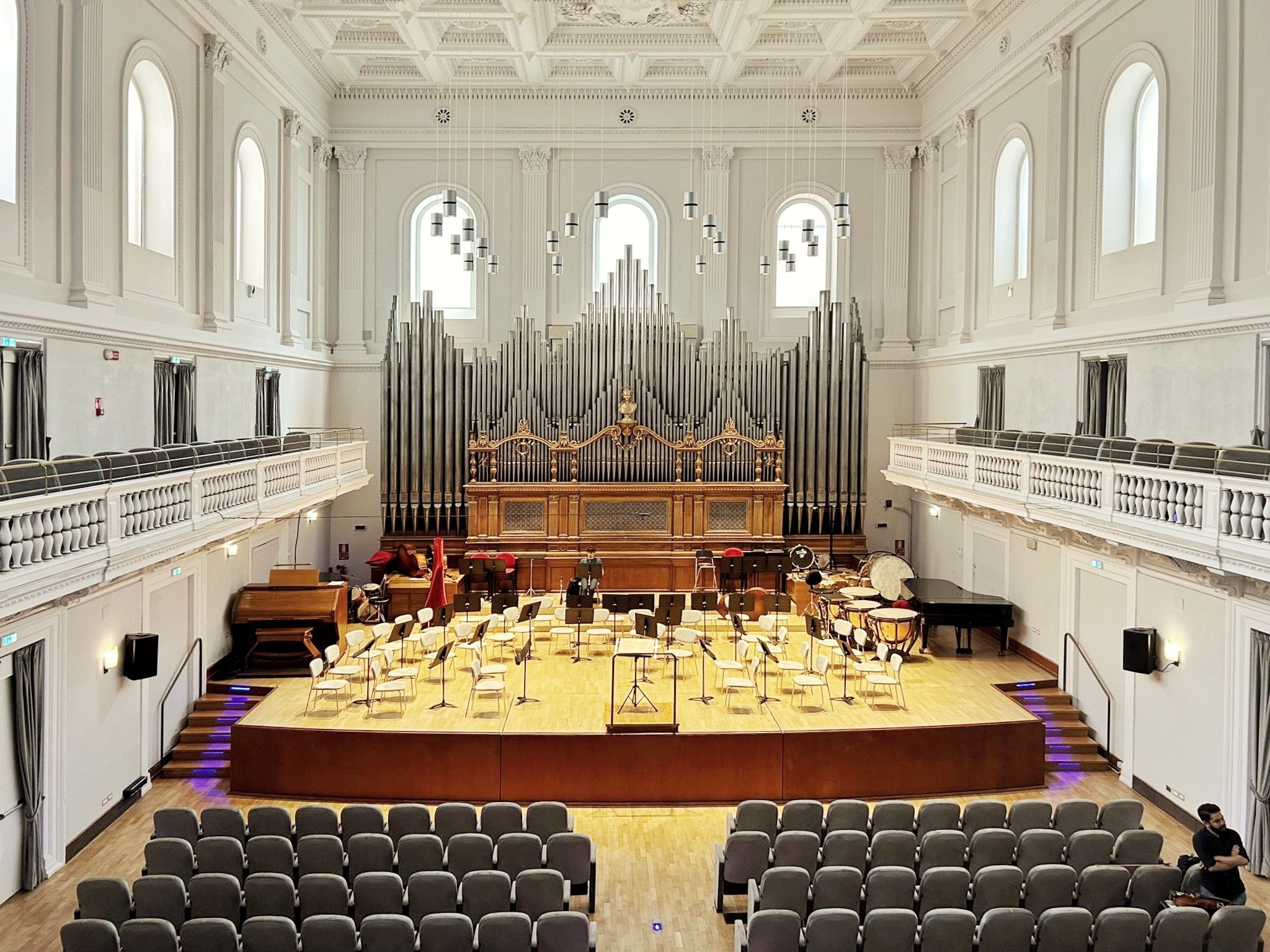
The plenary event will take place in the Sala Accademica of the Conservatorio di Musica Santa Cecilia, entrance from Via dei Greci 17A, a symbol of Italian culture that will host the open debate with institutions, members and the main players in the Italian cultural sector, together with senior UNESCO officials.
Participation in the plenary event is free and open to all, subject to availability.
The event is entirely organised through the work of AIGU volunteers, who give their time and energy free of charge in the service of our mission, and thanks to the support of partners who believe in our initiatives and share our values.
Like all our events, it is free and accessible.
If you want to support the event and all of AIGU’s initiatives, become a supporter and help us carry on our events for young people and for sustainable development policies!
THEMES
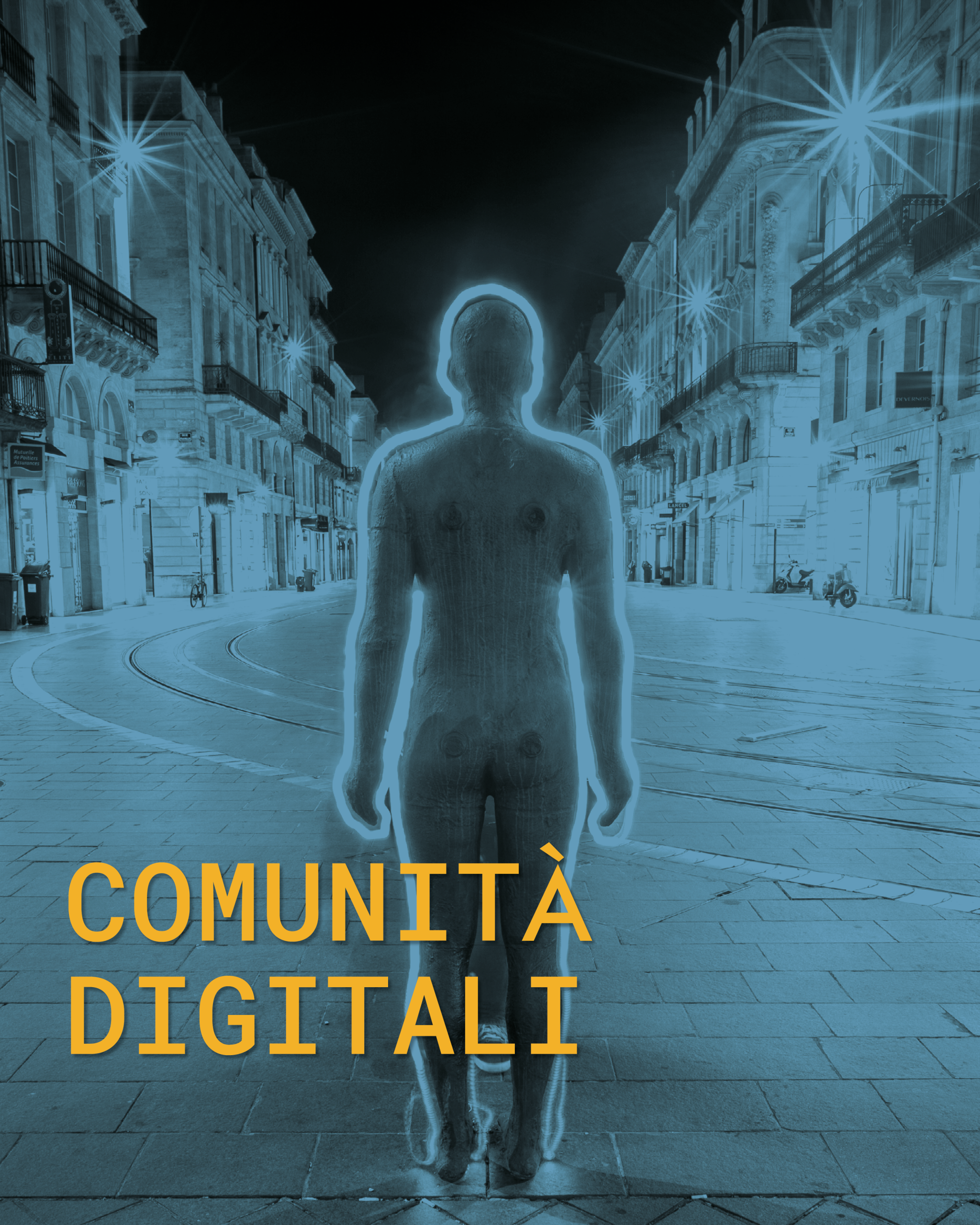
Talking about digital today means talking about a reality that is no longer merely virtual but is intrinsically interwoven with concrete, physical reality.
Digital technology is a revolutionary tool that evolves daily and offers great opportunities and occasions for growth for the world. Like any tool, it must be handled with awareness, prudence and conscience, because the risks are endless and the line between doing good and losing one’s way is very thin. The “driving licence” for the digital world is the informed use of its accessibility, which makes this product a real ally of people and communities.
Digital for accessibility and inclusion means making new tools accessible in order to broaden the enjoyment of cultural heritage, making it more usable and participatory for all communities.
Digital as an instrument of cultural safeguarding, used as a tool to preserve, document and share the memory and values of local communities, in a logic of cultural continuity and sustainability. Through an interdisciplinary and hands-on approach, we need to understand how digital technology can become a bridge between past and future, promoting knowledge, education, the preservation of communities’ heritage and cultural innovation at multiple levels — which are, moreover, the main goals of UNESCO’s Memory of the World document.
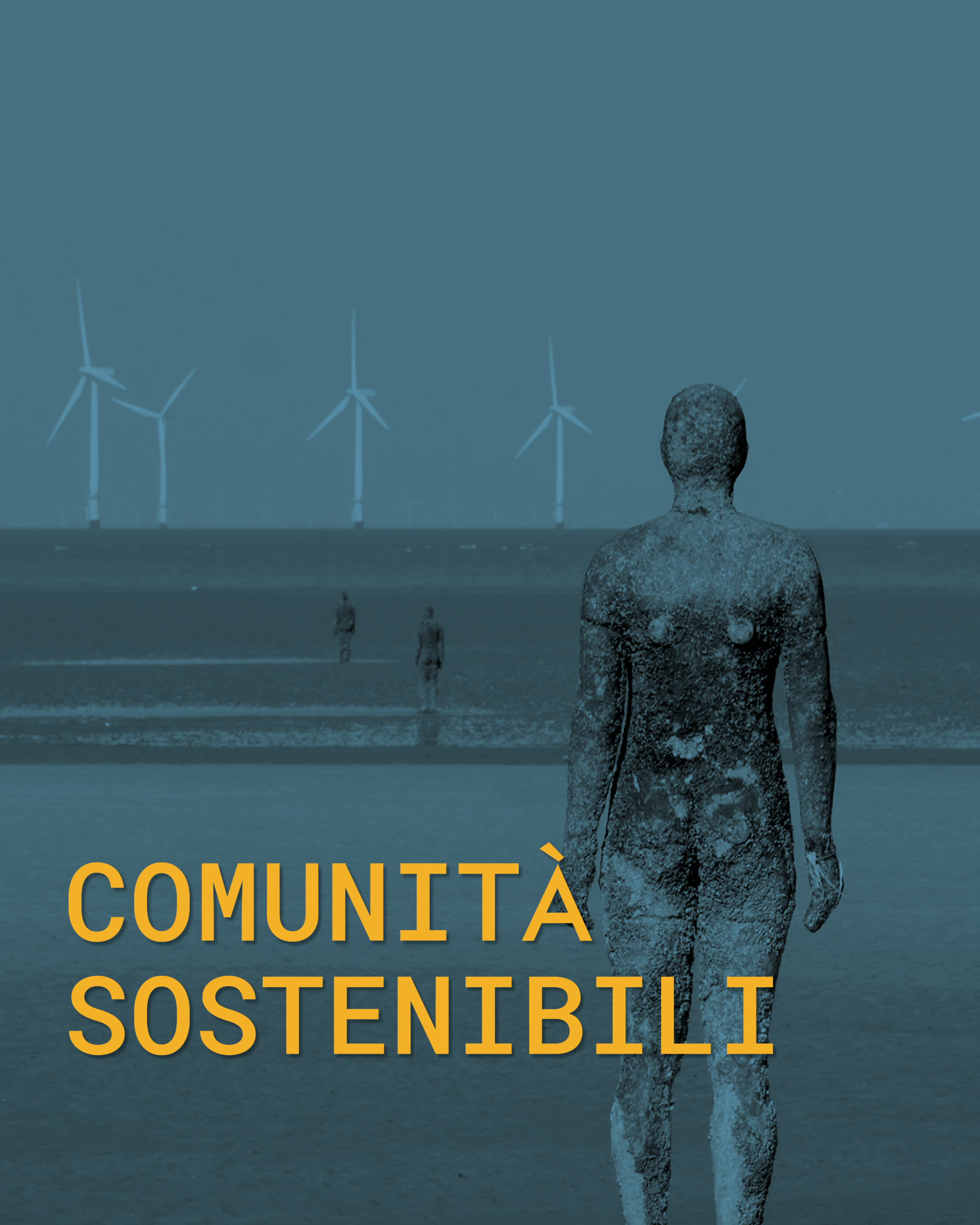
Sustainable communities are increasingly emerging as bulwarks of resilience, capable of facing not only the impacts of climate change but also the potential conflicts that could arise, particularly at local level.
In this scenario, SDG 16 (Peace, Justice and Strong Institutions) takes on crucial importance, providing the framework for developing robust and inclusive governance, essential for managing environmental and social challenges. Climate diplomacy, while operating on a global scale, is fully effective only if supported by widespread action and the involvement of all parts of society.
In this context, young people emerge as a driving force. Through youth associations, they not only promote greater awareness but also champion innovative solutions and apply the necessary political pressure. It is imperative that their commitment be maximised at local level, where the effects of climate change will be felt most intensely, including in contexts that do not yet perceive its urgency. Integrating the vision and energy of young people into decision-making processes, from climate diplomacy to spatial planning, is fundamental to building a future of resilient, fair and peaceful communities.
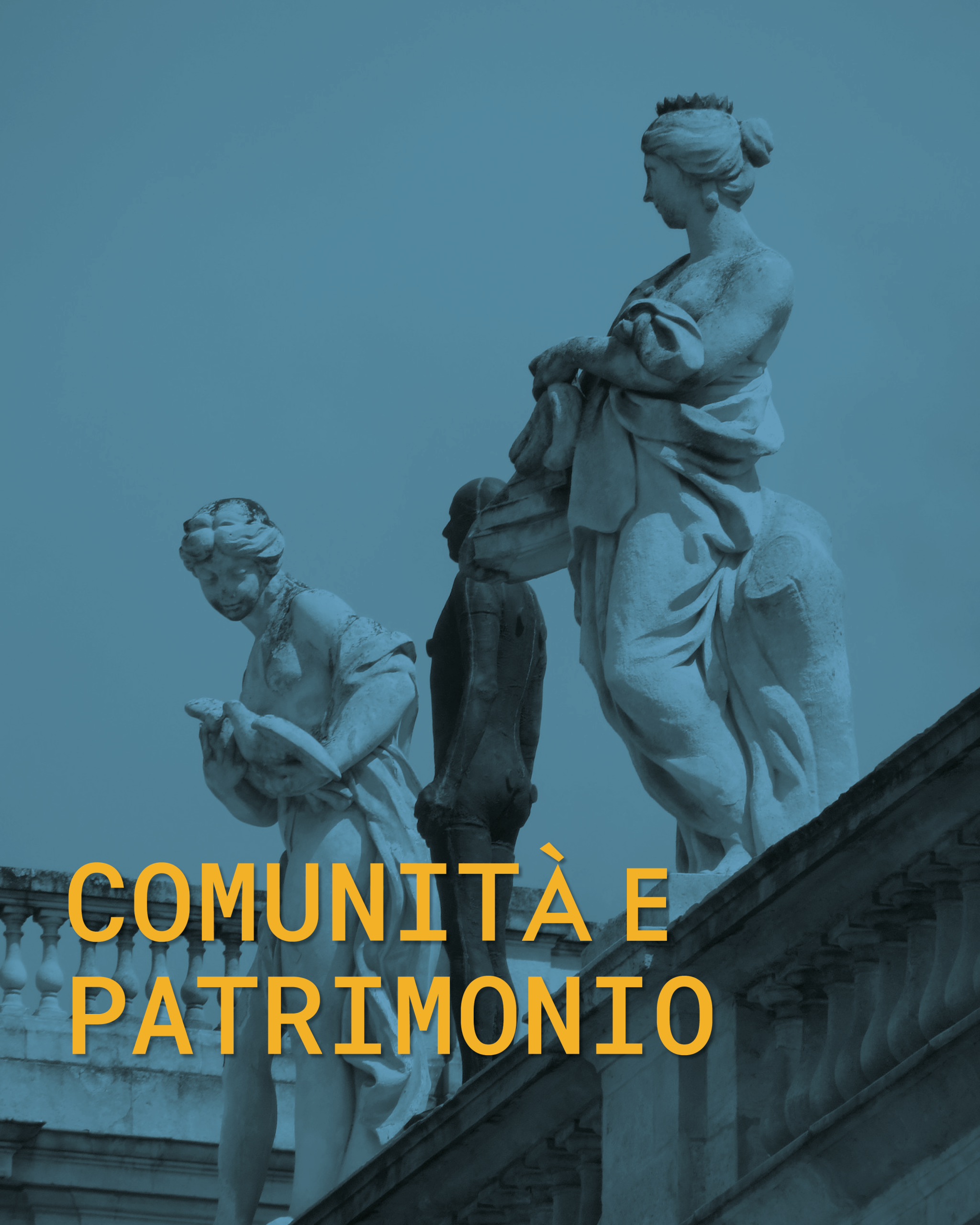
What does it mean to be part of a heritage community? What does a heritage community need in order to feel like one and to succeed in enhancing its own heritage?
Communities, as often happens at least initially, need an external input to recognise themselves as such. At other times, however, those that already exist — even when aware of themselves and of the role they could play in enhancing their shared heritage — break apart because its management follows misguided logics of profit and political or economic interest.
Starting from these considerations, we need to reflect on which approach is best suited to strengthening the ties between the territory — understood as heritage and community, being closely interconnected and interdependent realities — and institutions. We must take into account the risks associated with “top-down” decisions concerning cultural and natural heritage, as well as the potential of youth associations such as AIGU to act as mediators in the relationships between institutions, stakeholders and heritage communities.
These ten years of AIGU demonstrate that young Italians believe in the value of active citizenship, capable of bringing forth their own ideas and vision. They believe in local territories, in the power of interconnections, and in peace as a primary objective.
Gianluca Buoncore, President
It is from this awareness that you must press forward: be patient, be persevering, but do not remain silent. Continue to believe that your voice matters, that your projects can genuinely shape both the present and the future, united and conscious of your strength.
Continue to believe in UNESCO and in the strength of our remarkable community.
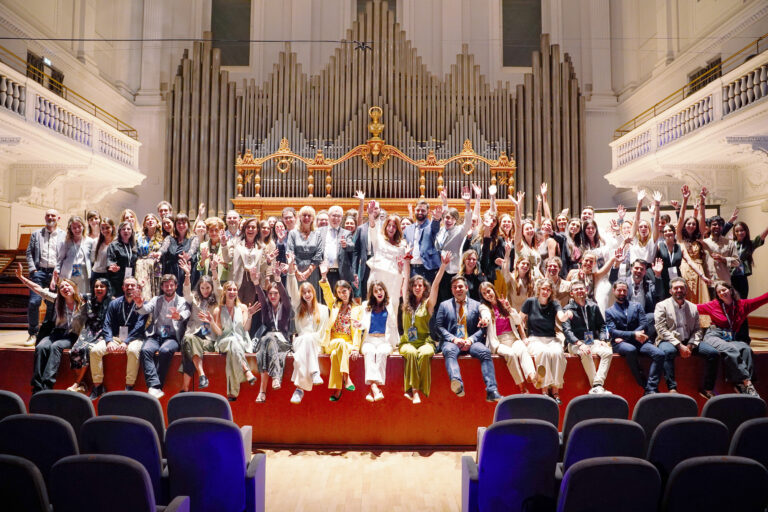
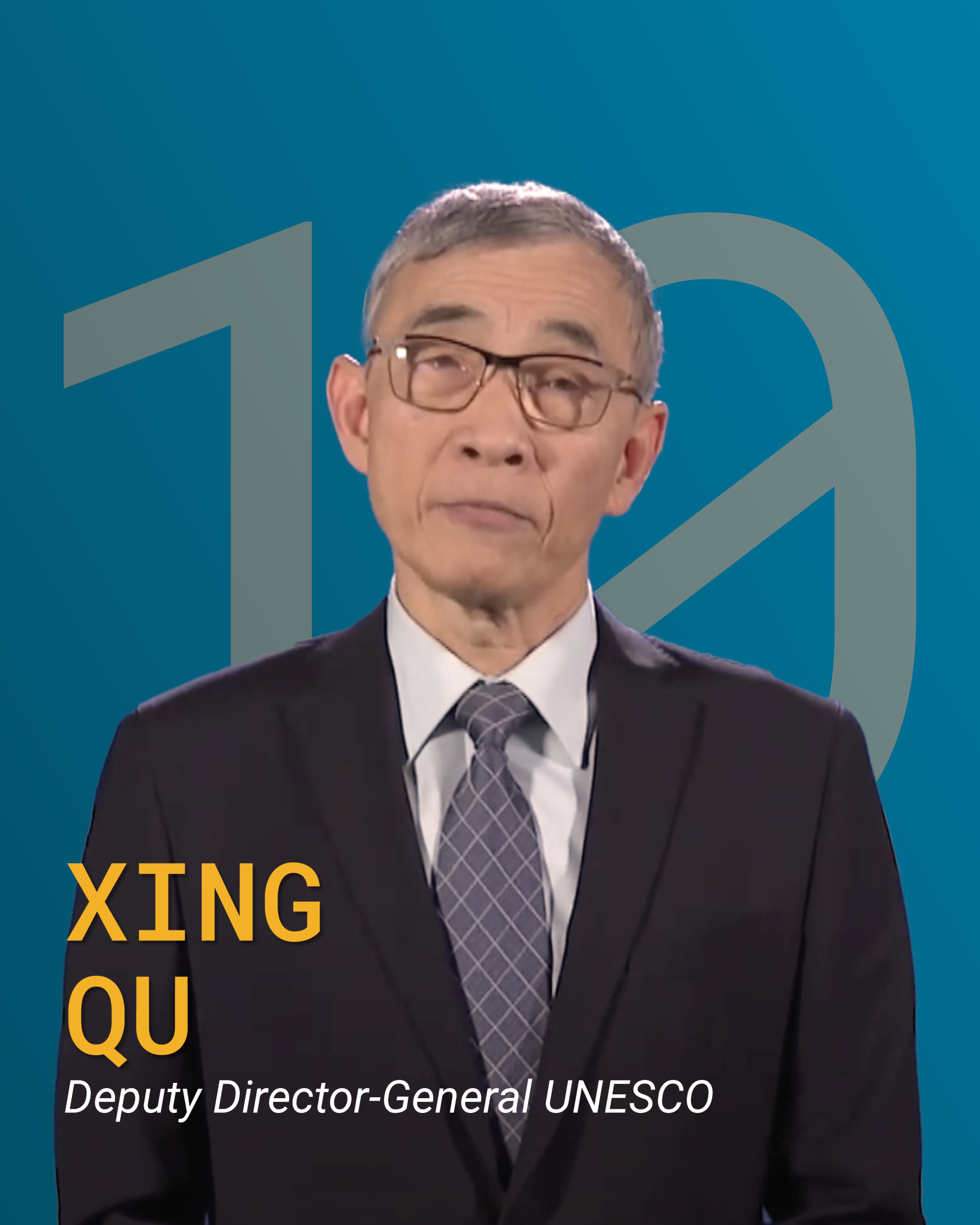
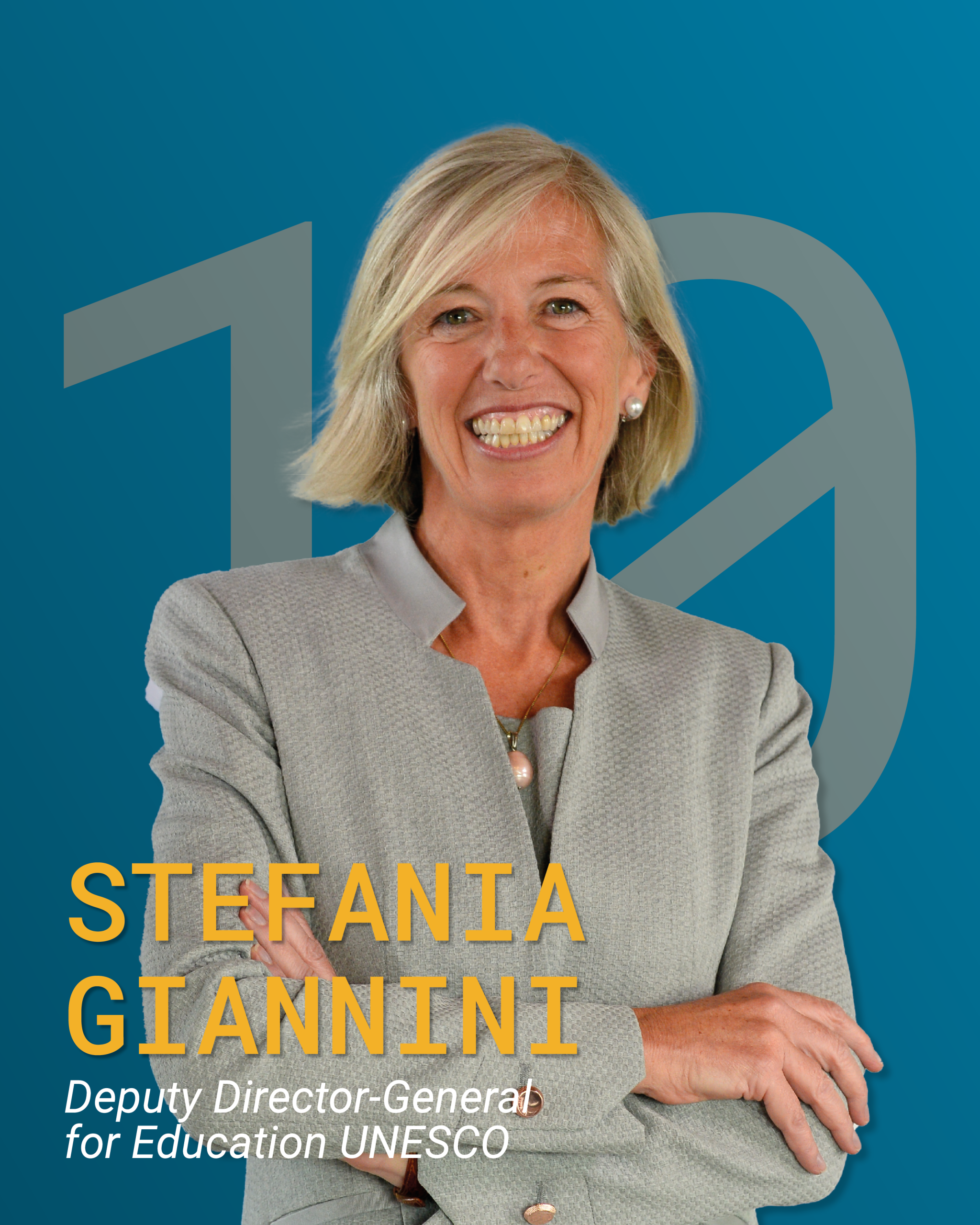
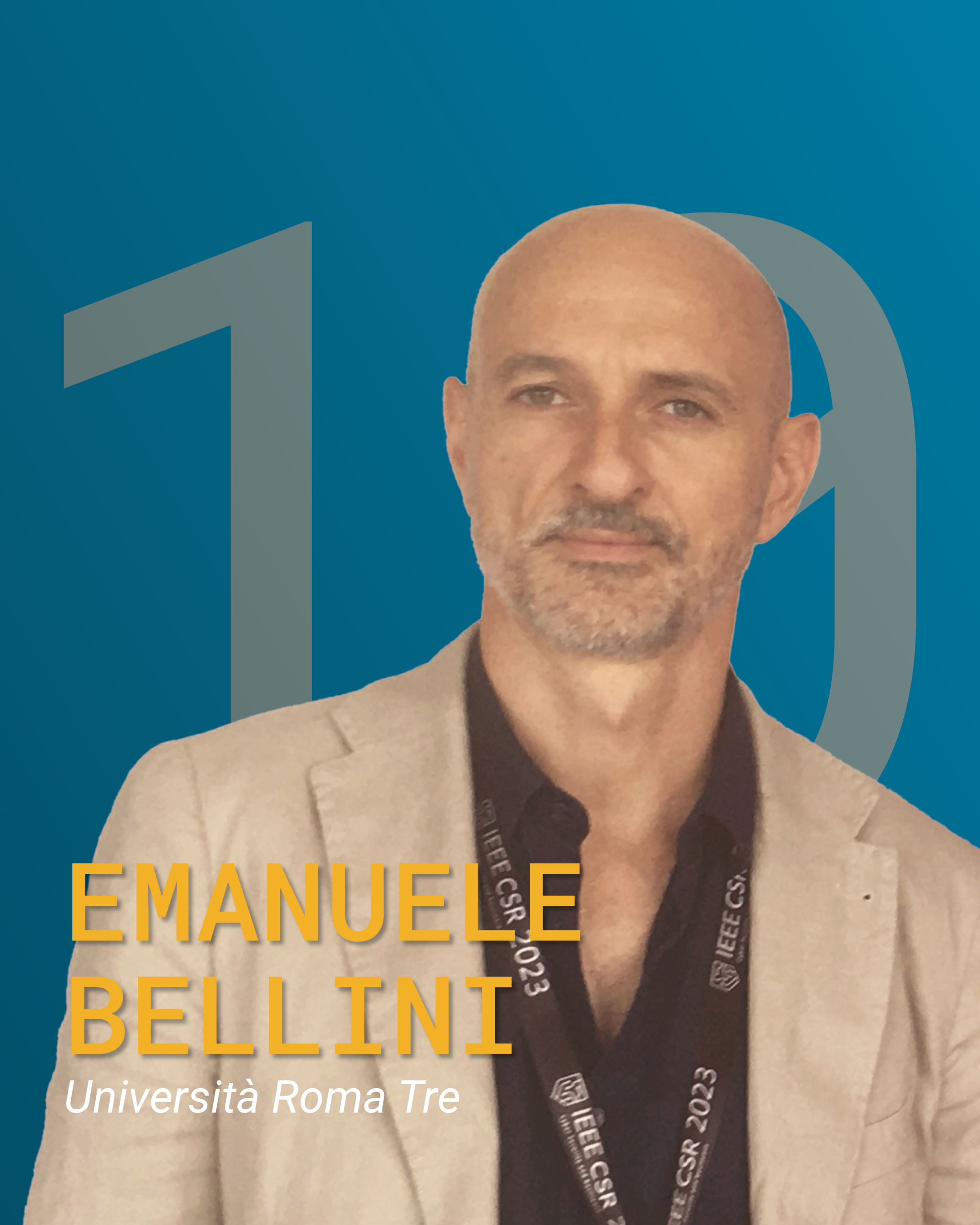
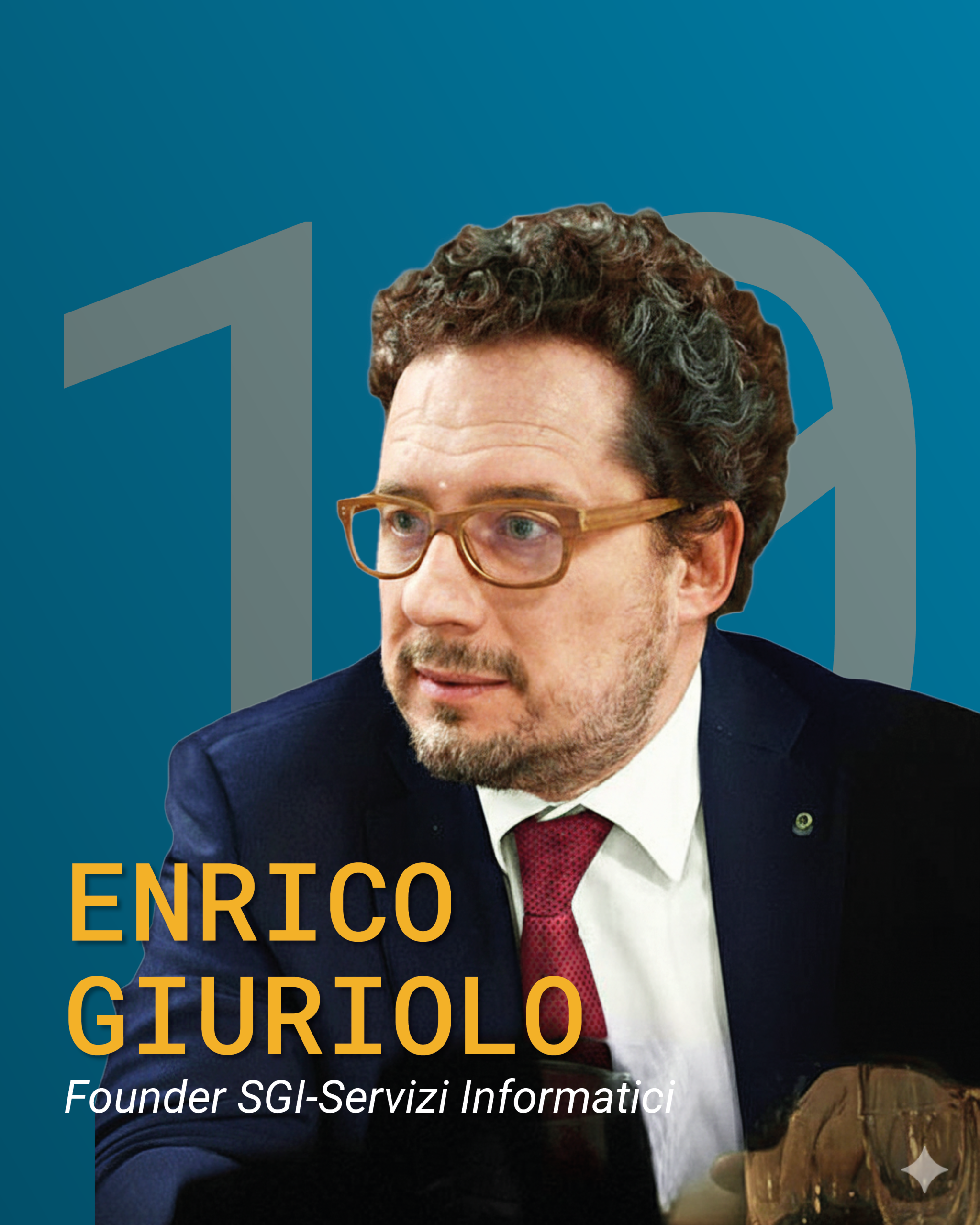
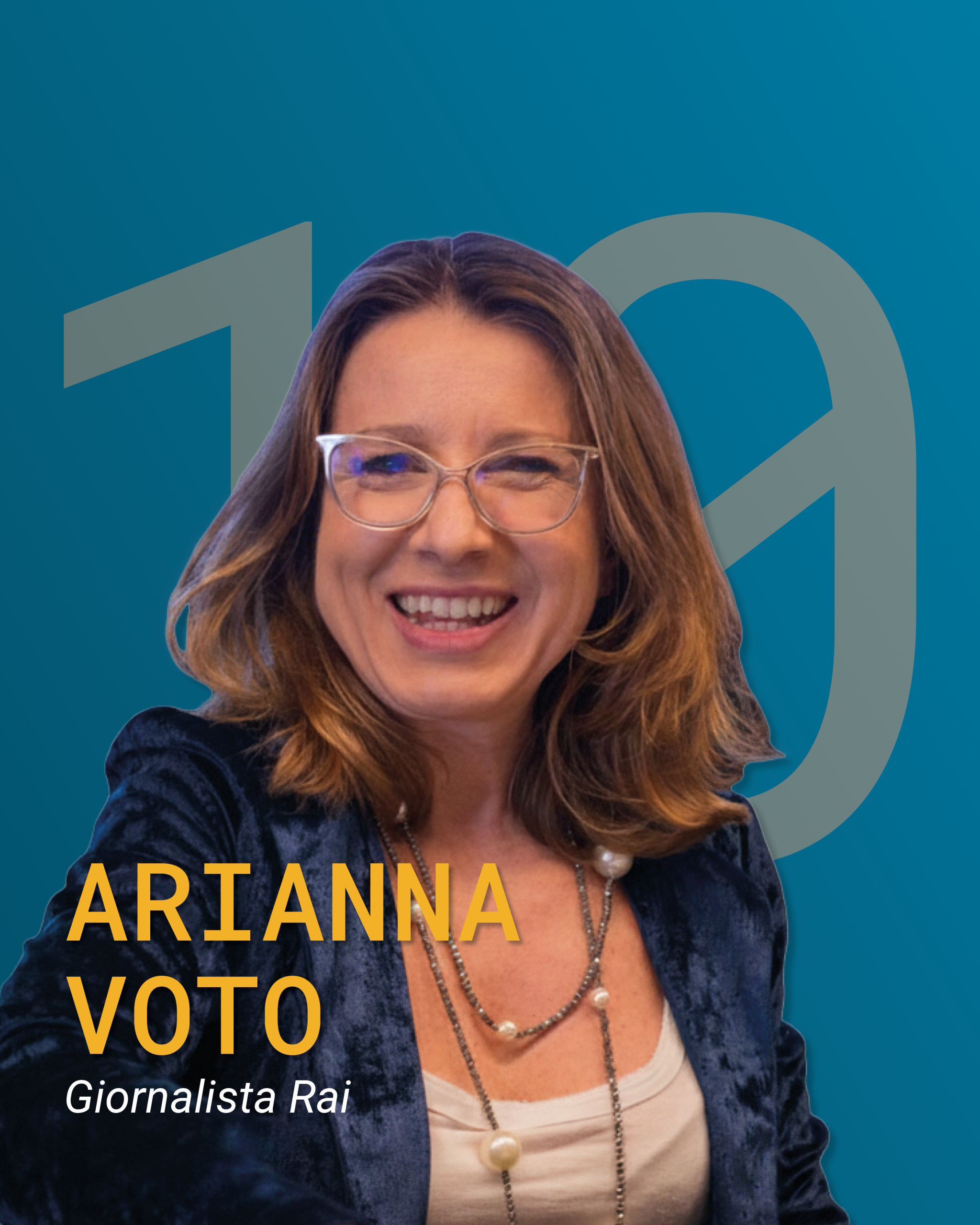
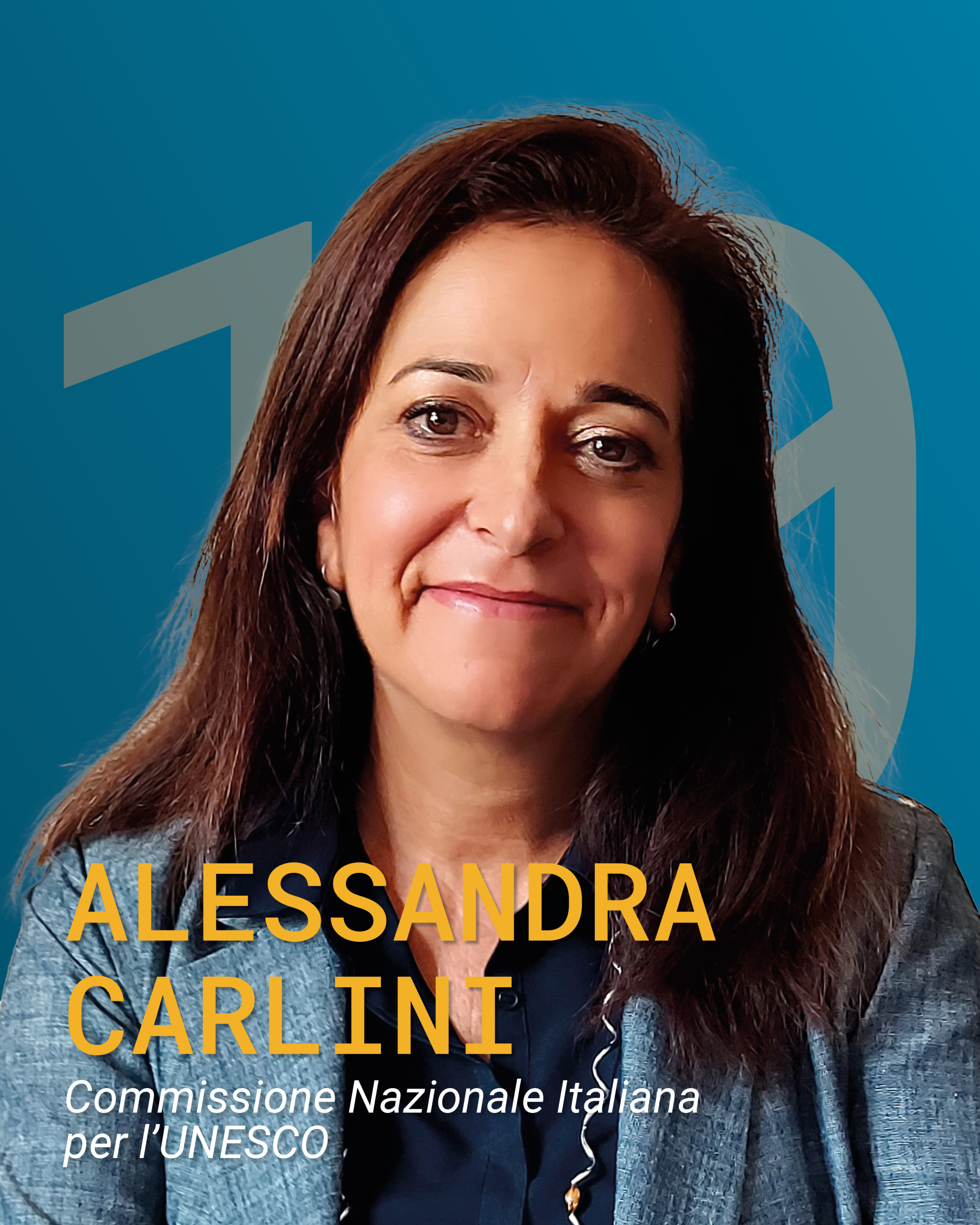
GUESTS AND SPEAKERS
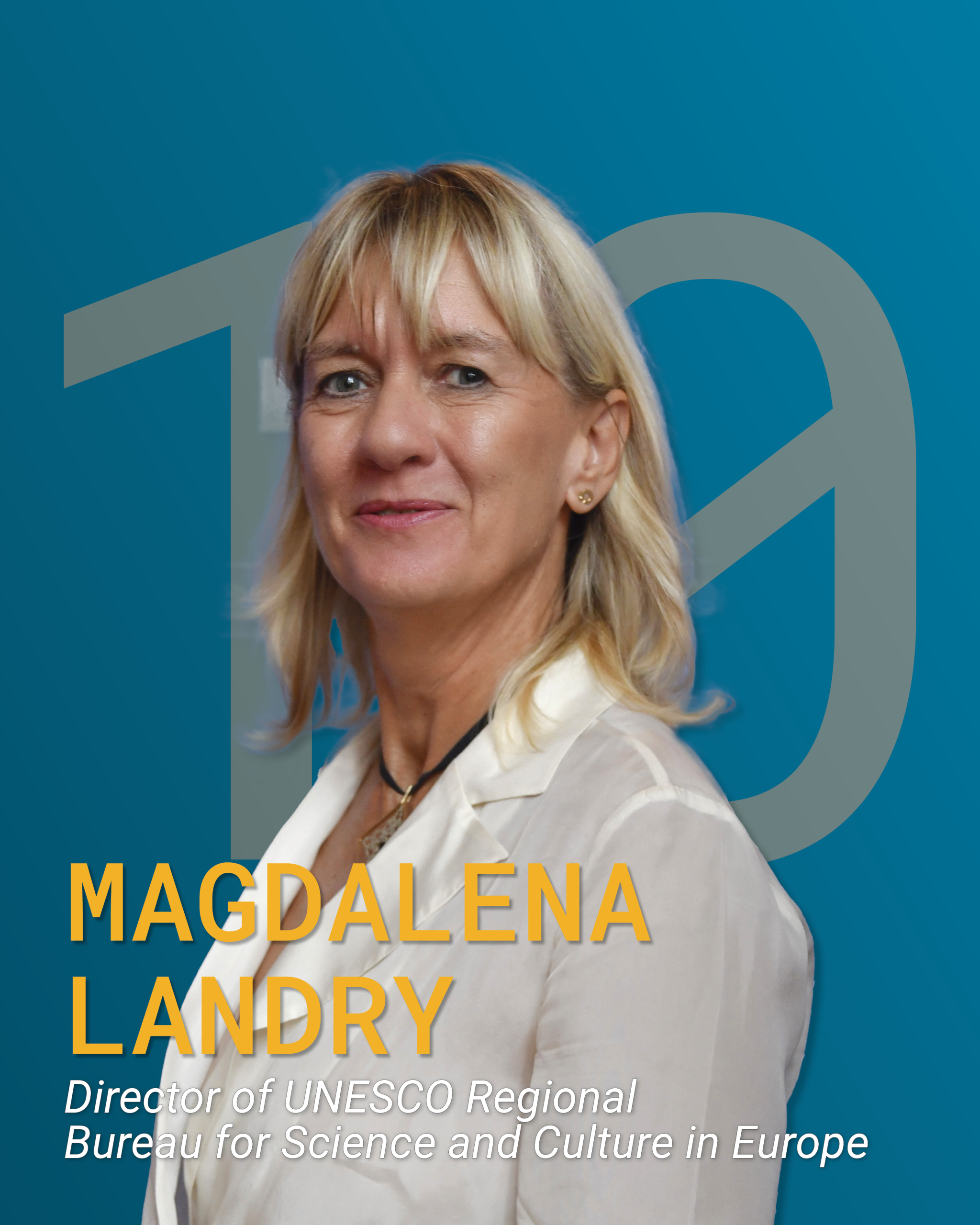
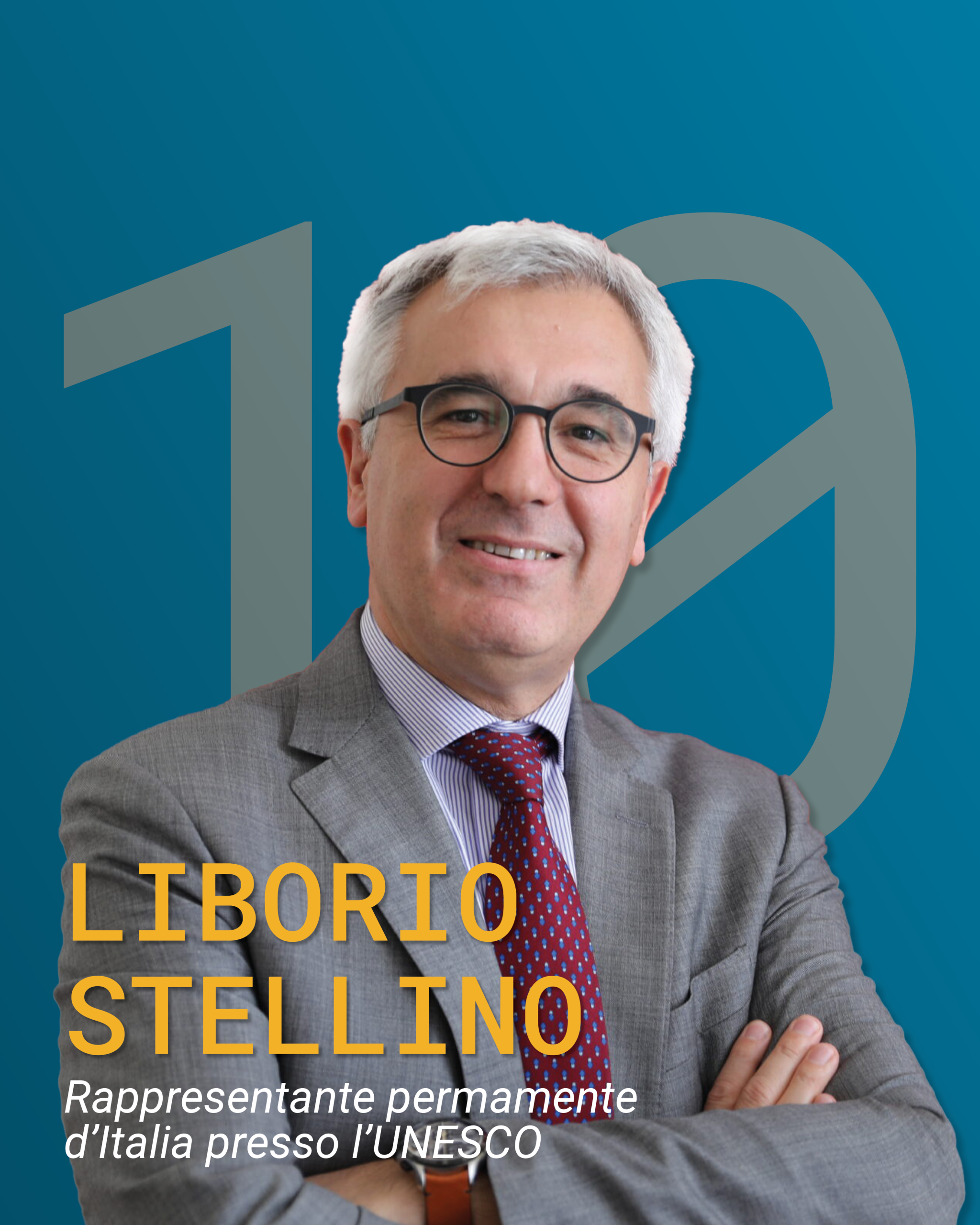
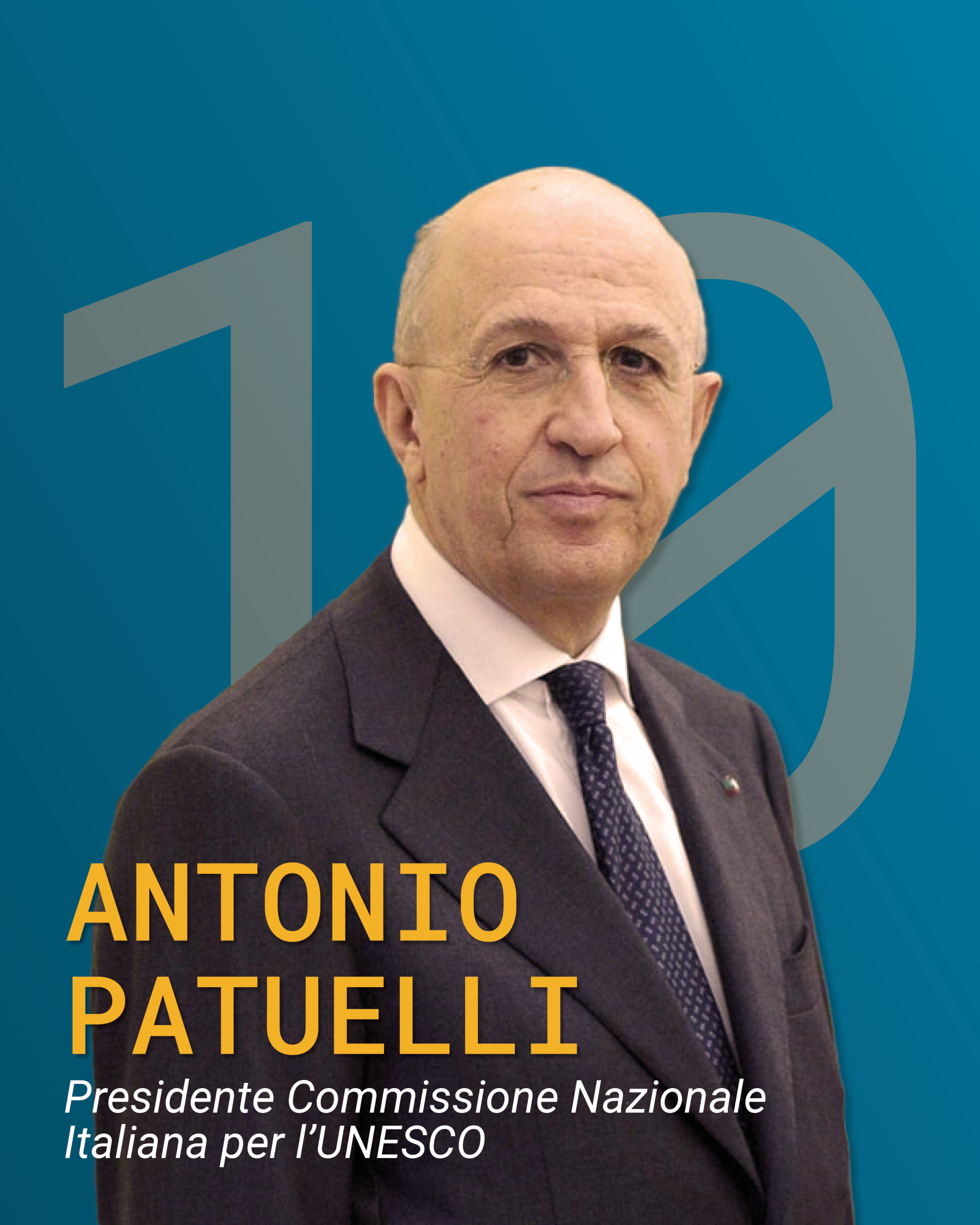
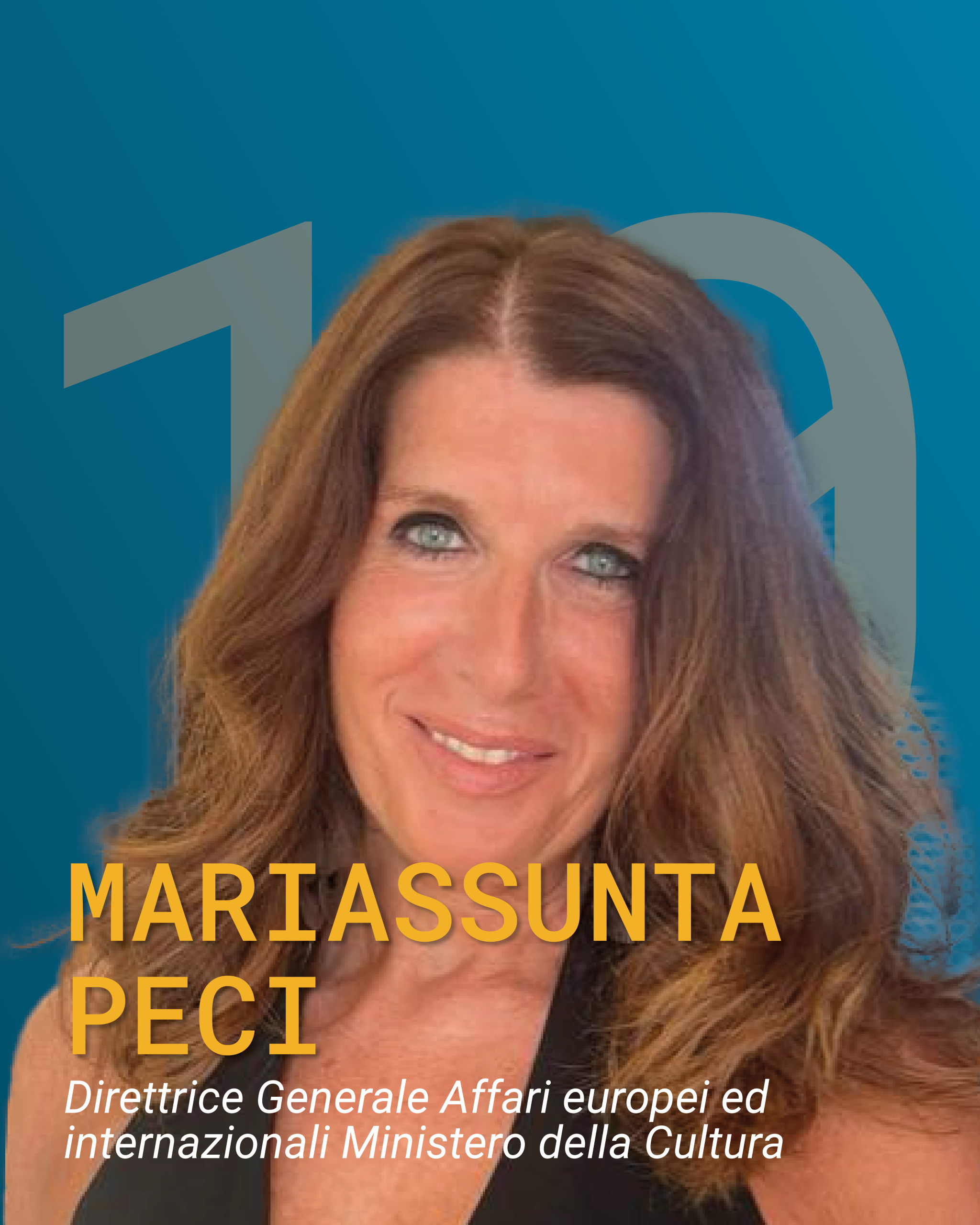
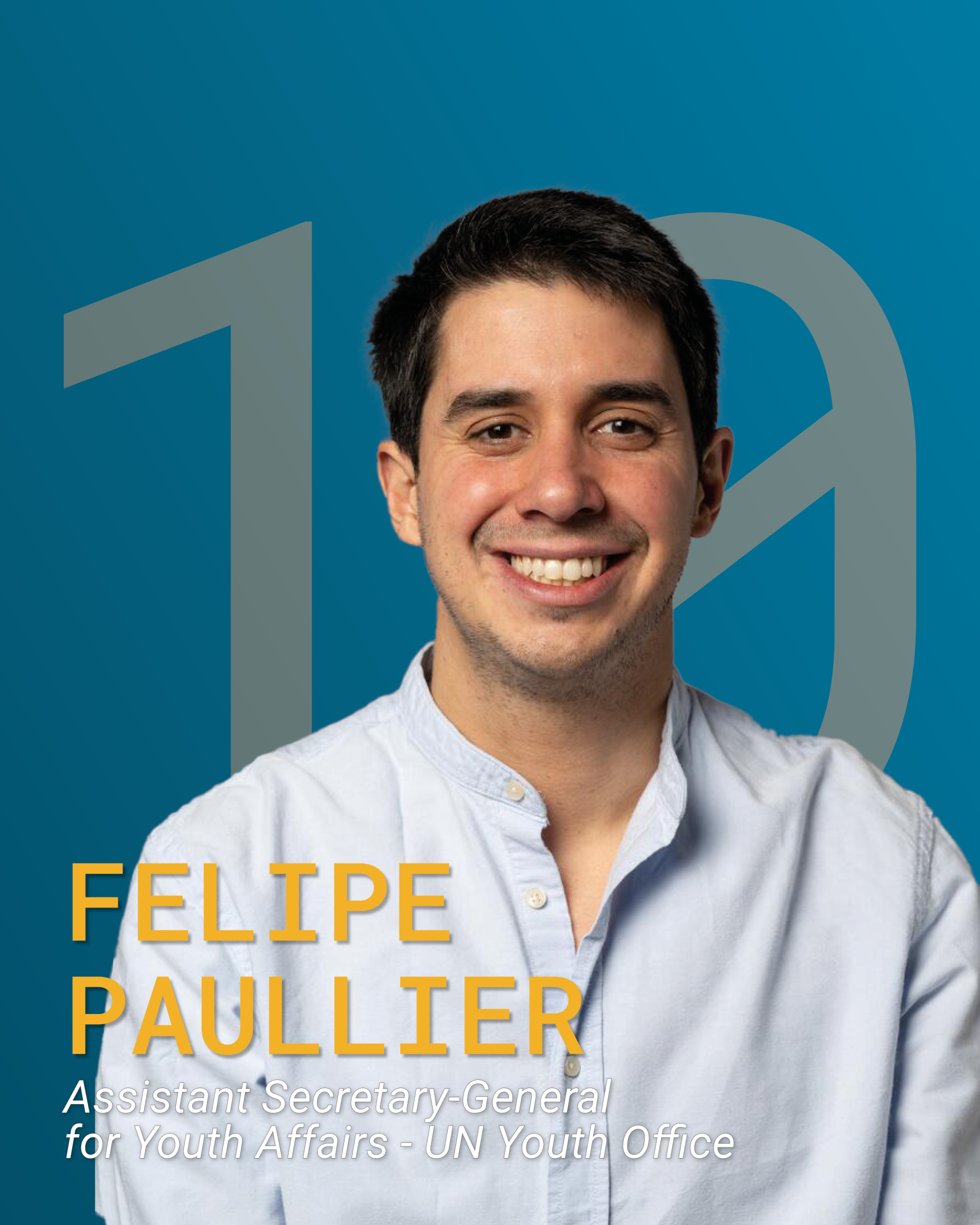
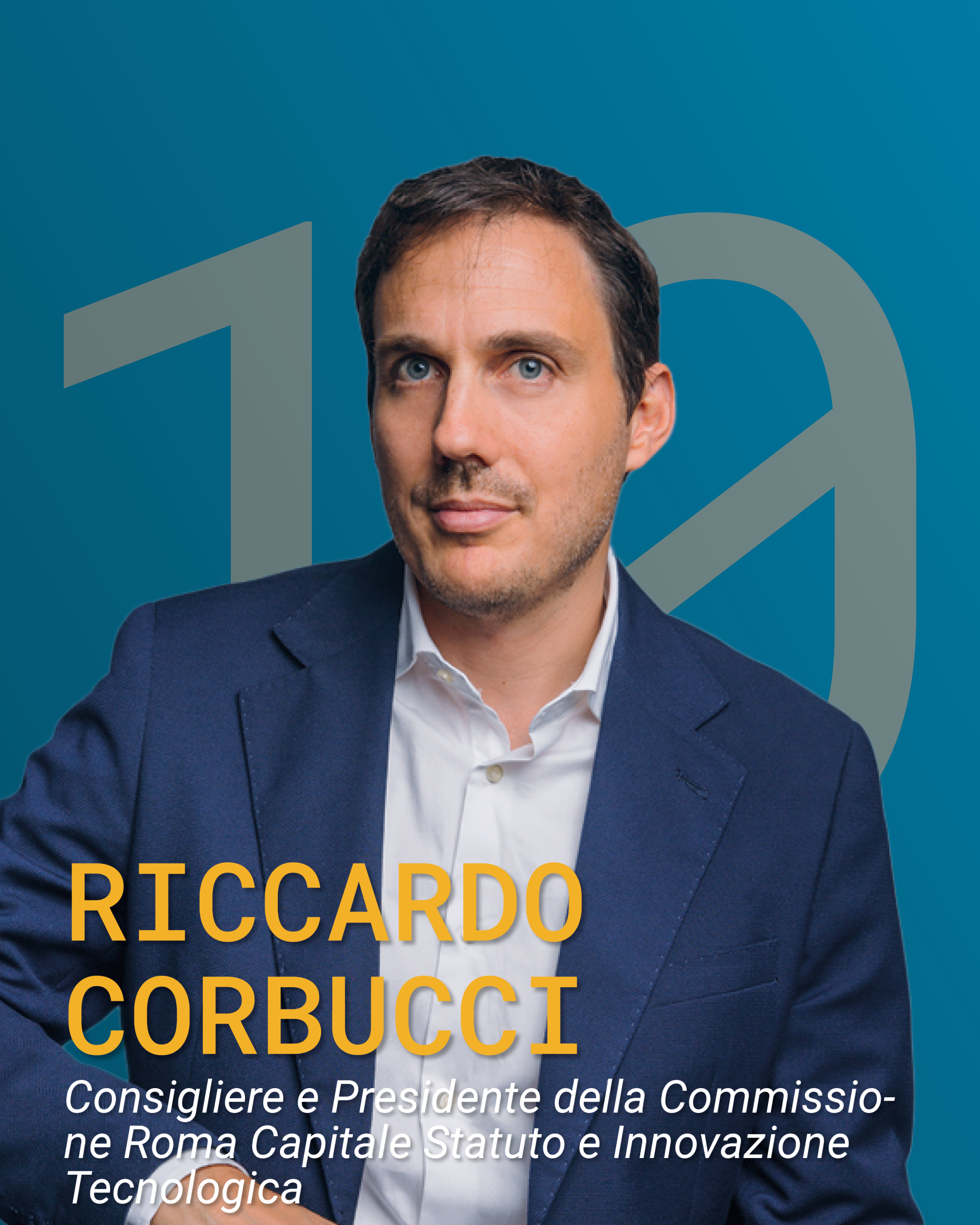
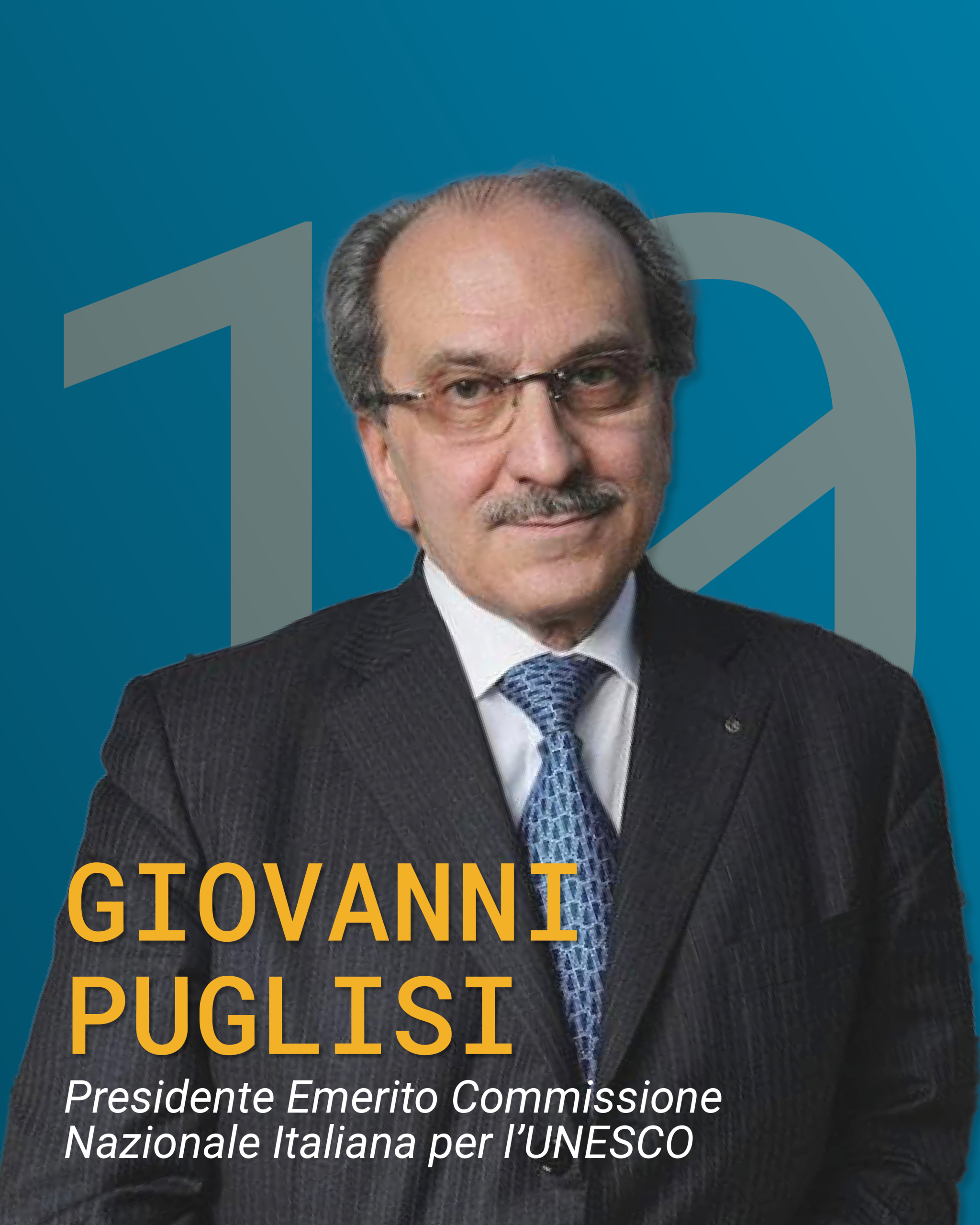
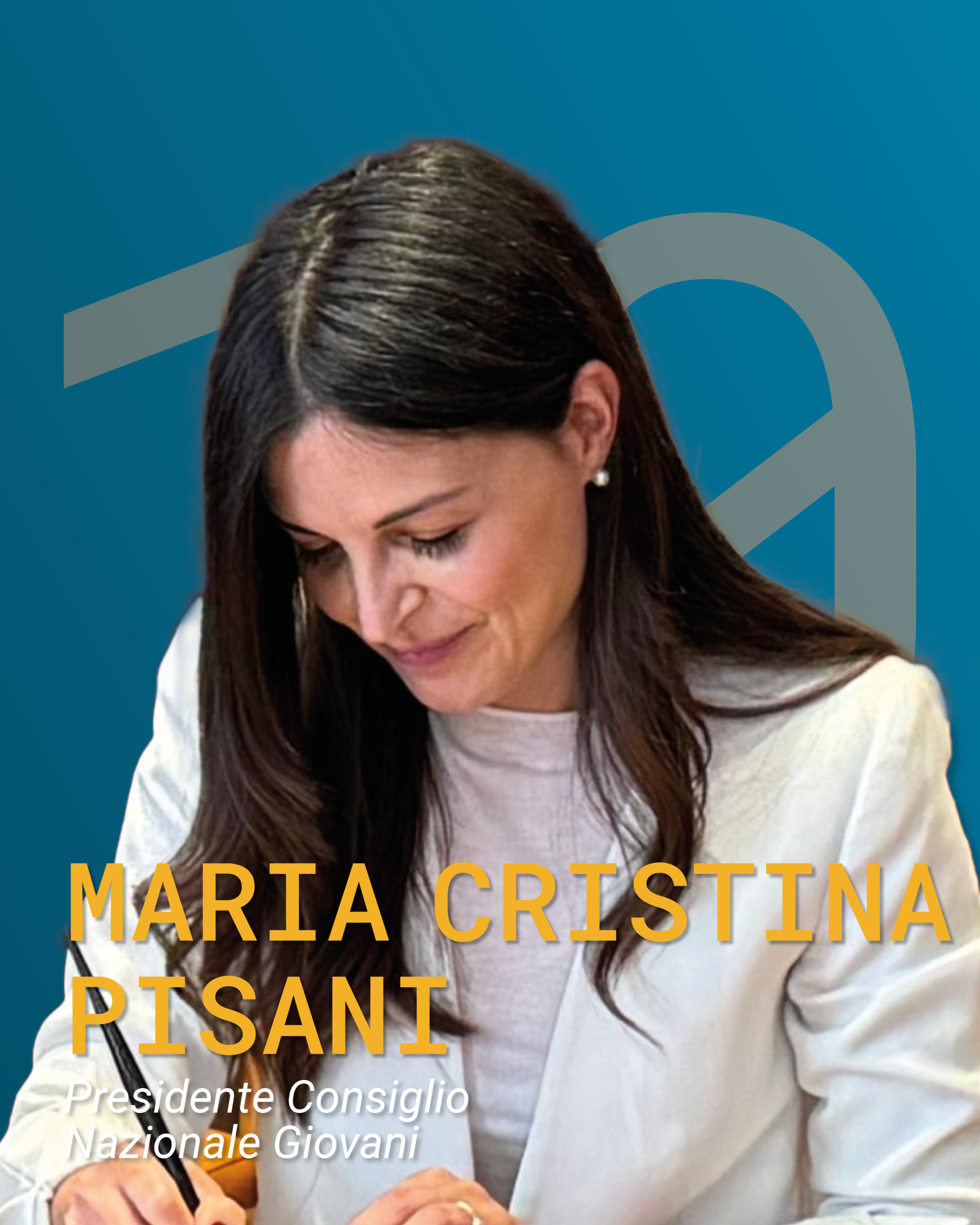
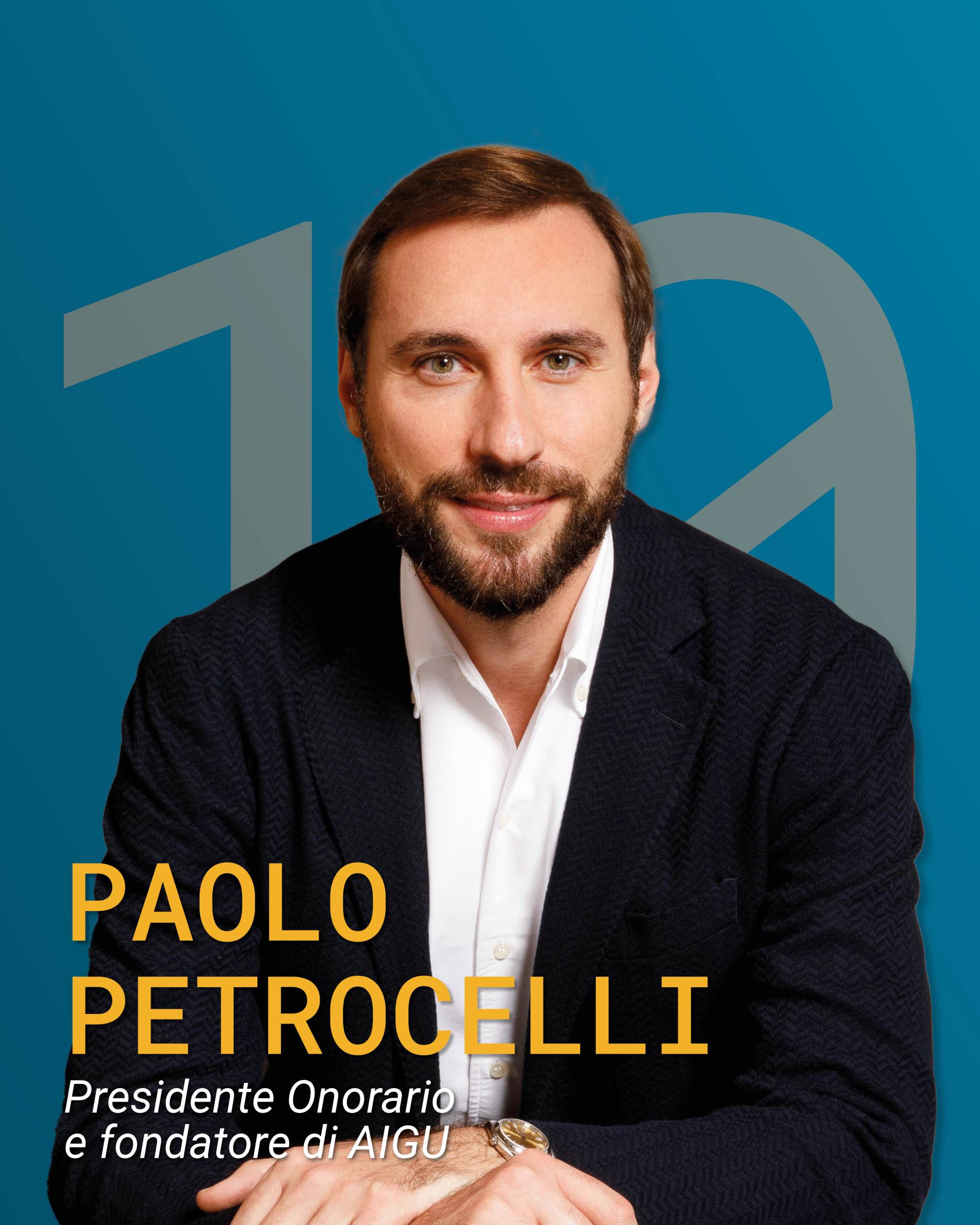
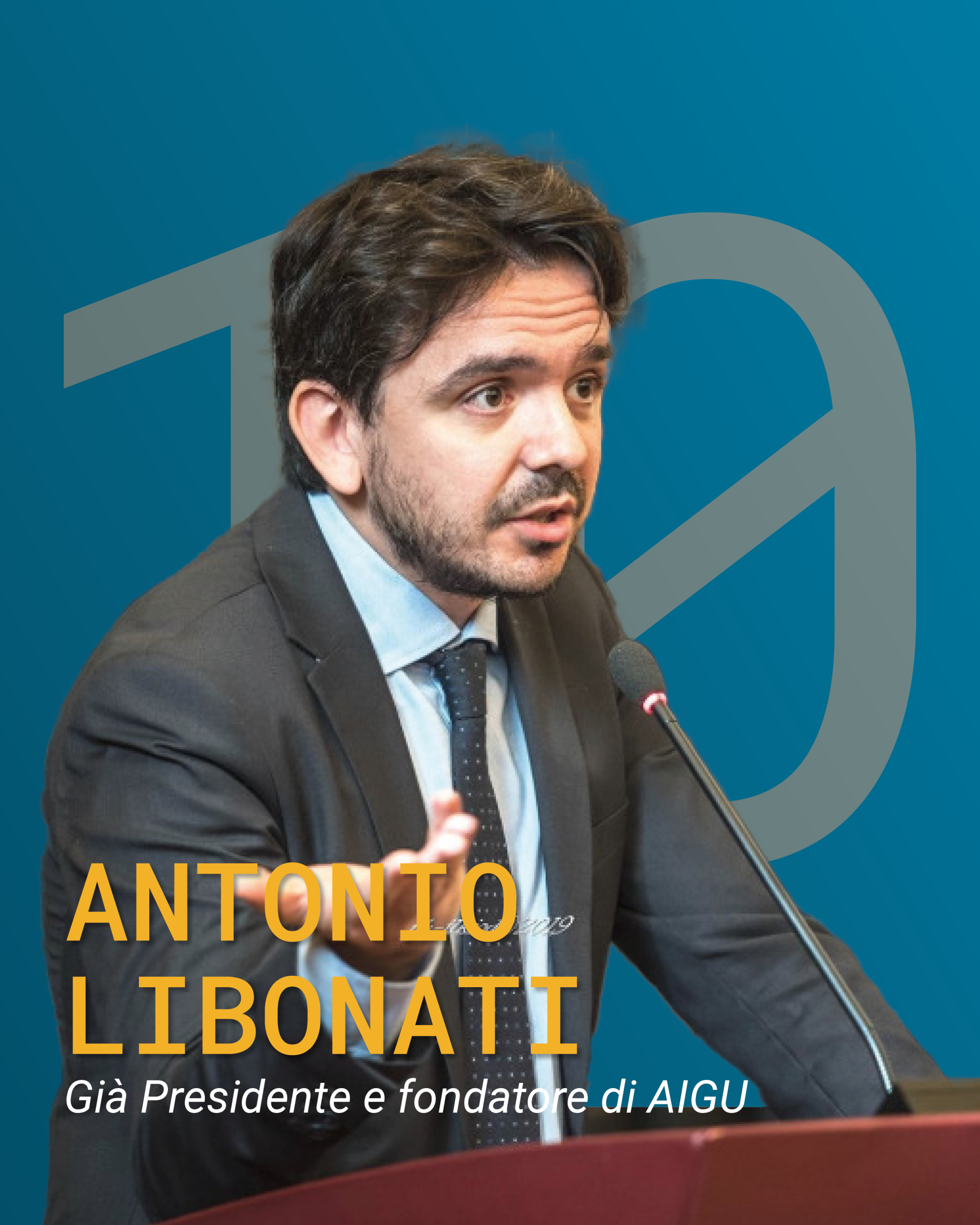
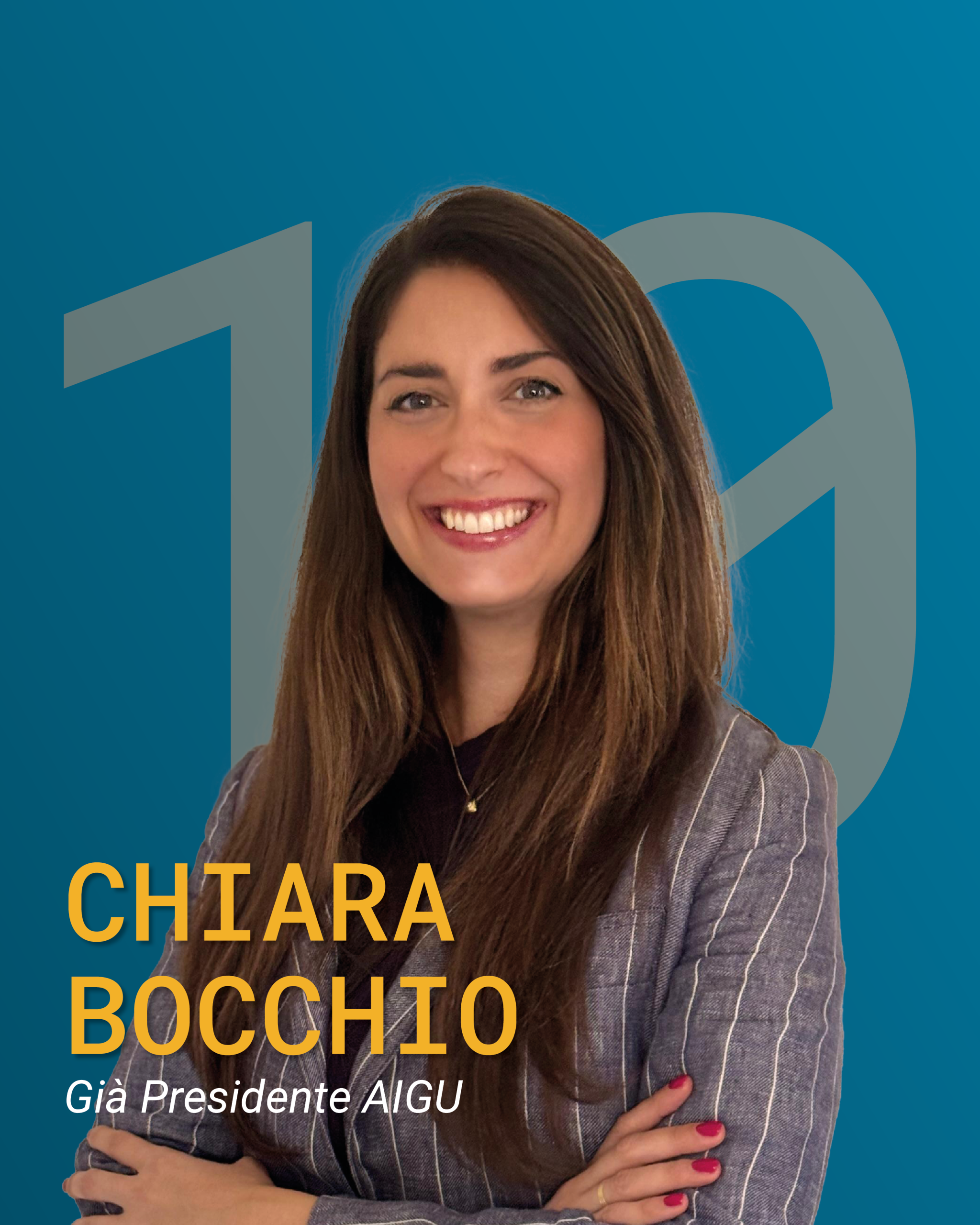
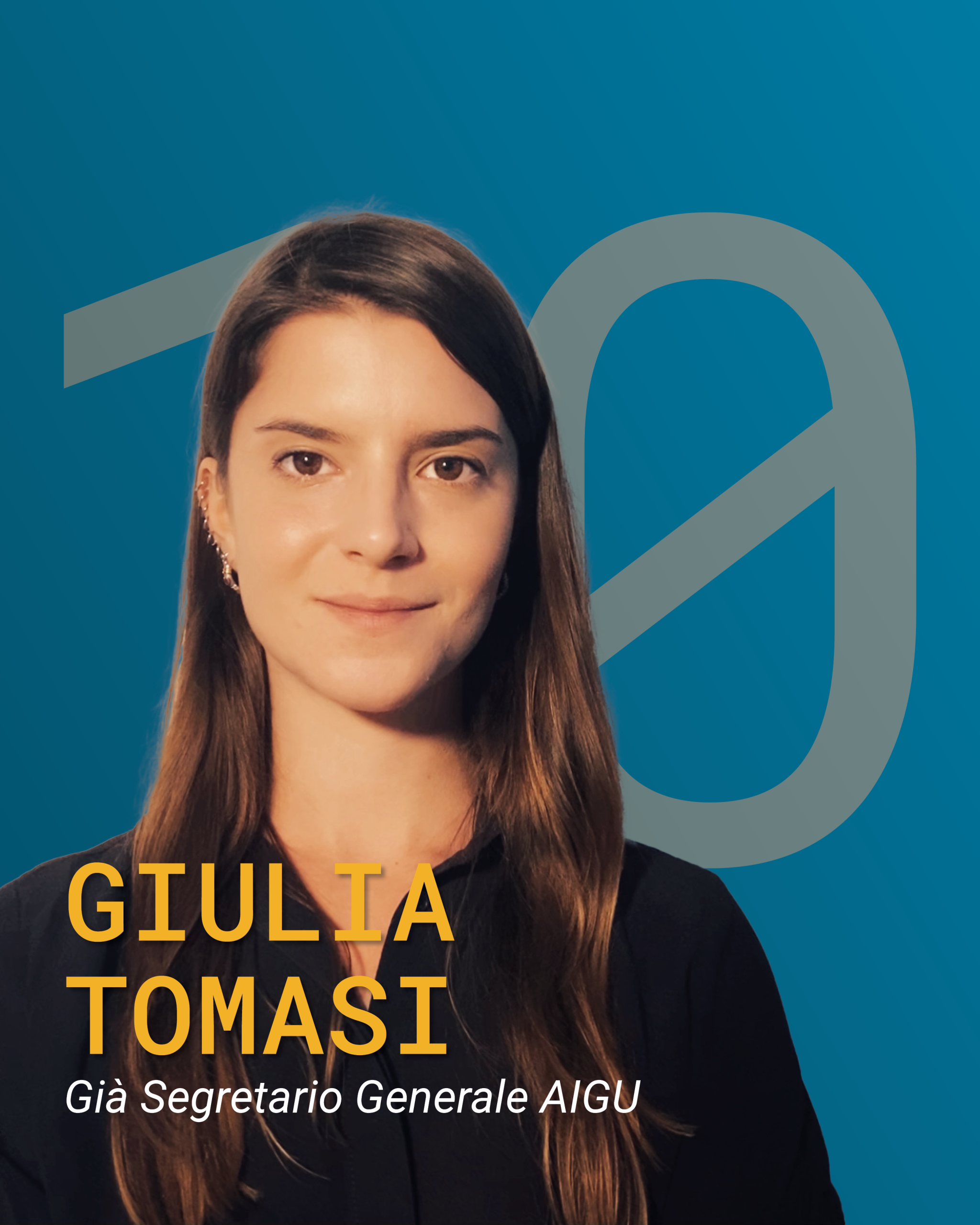
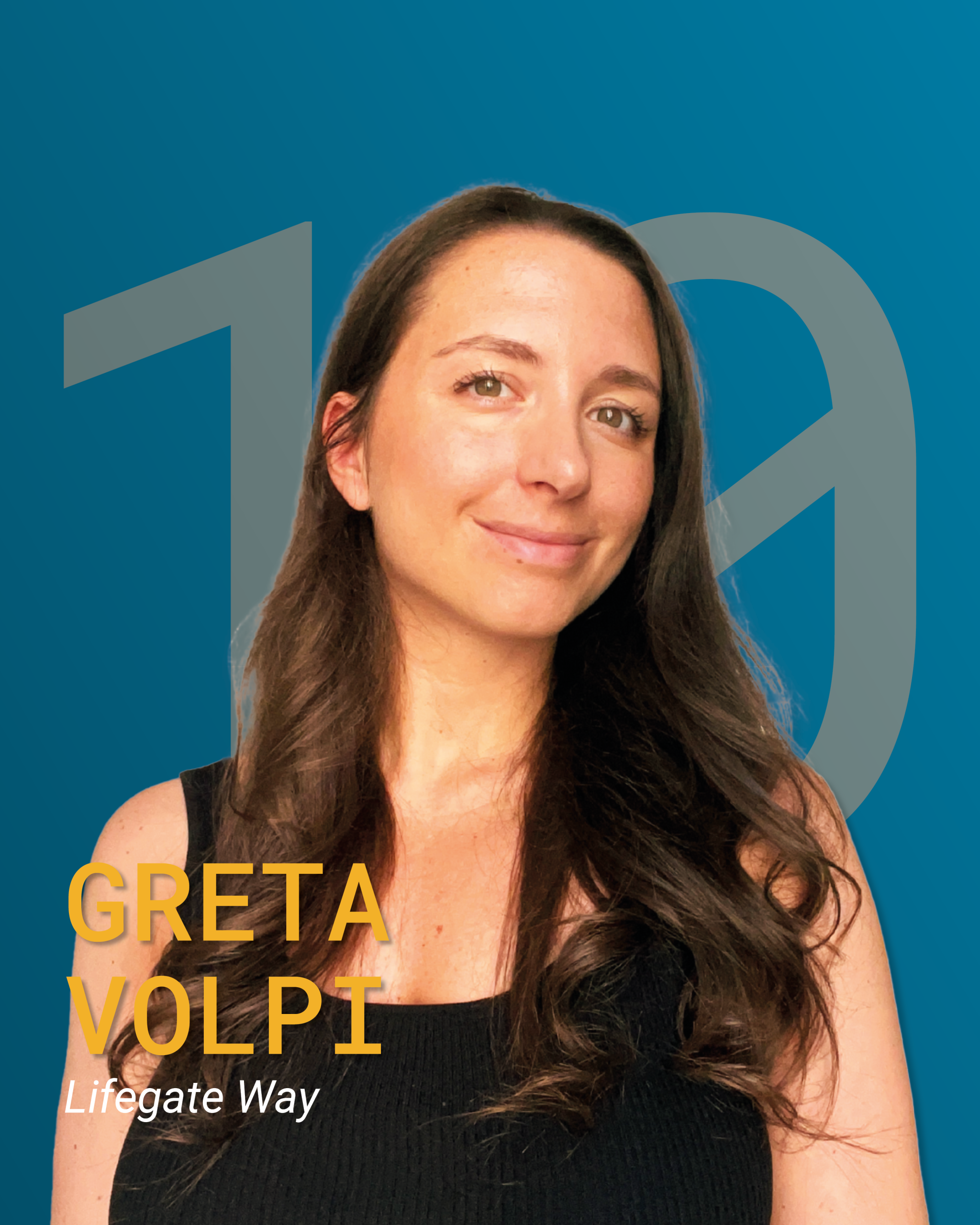
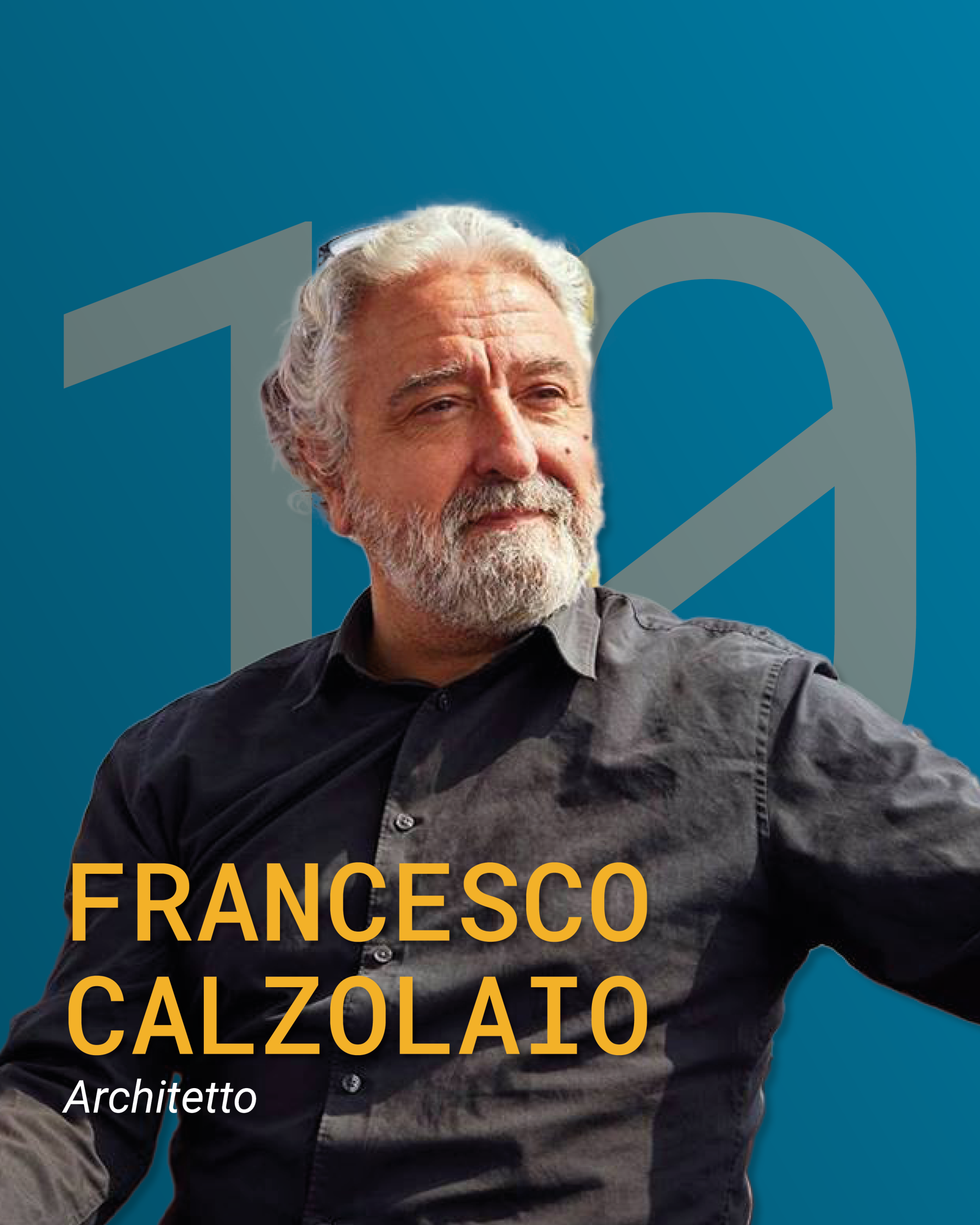
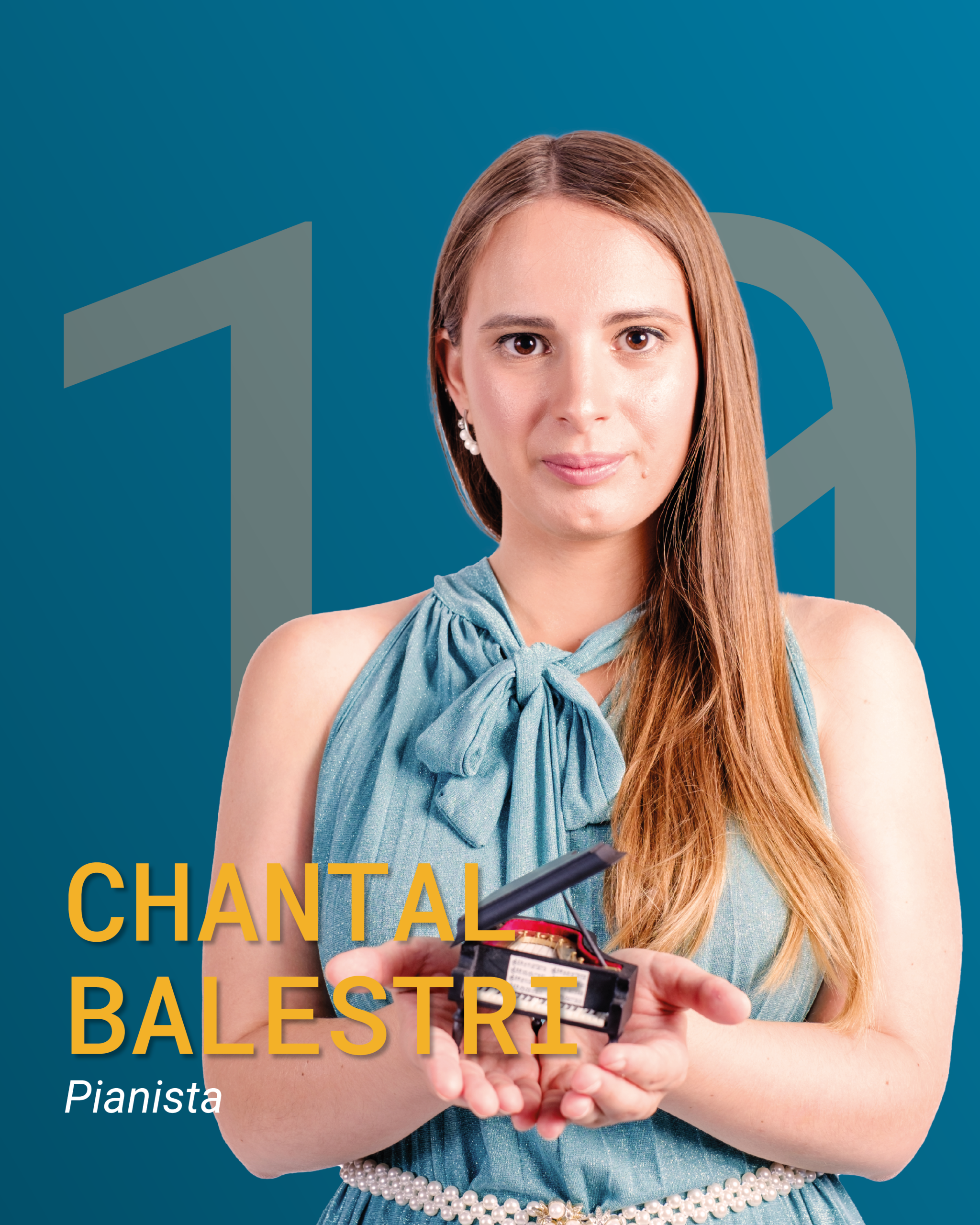
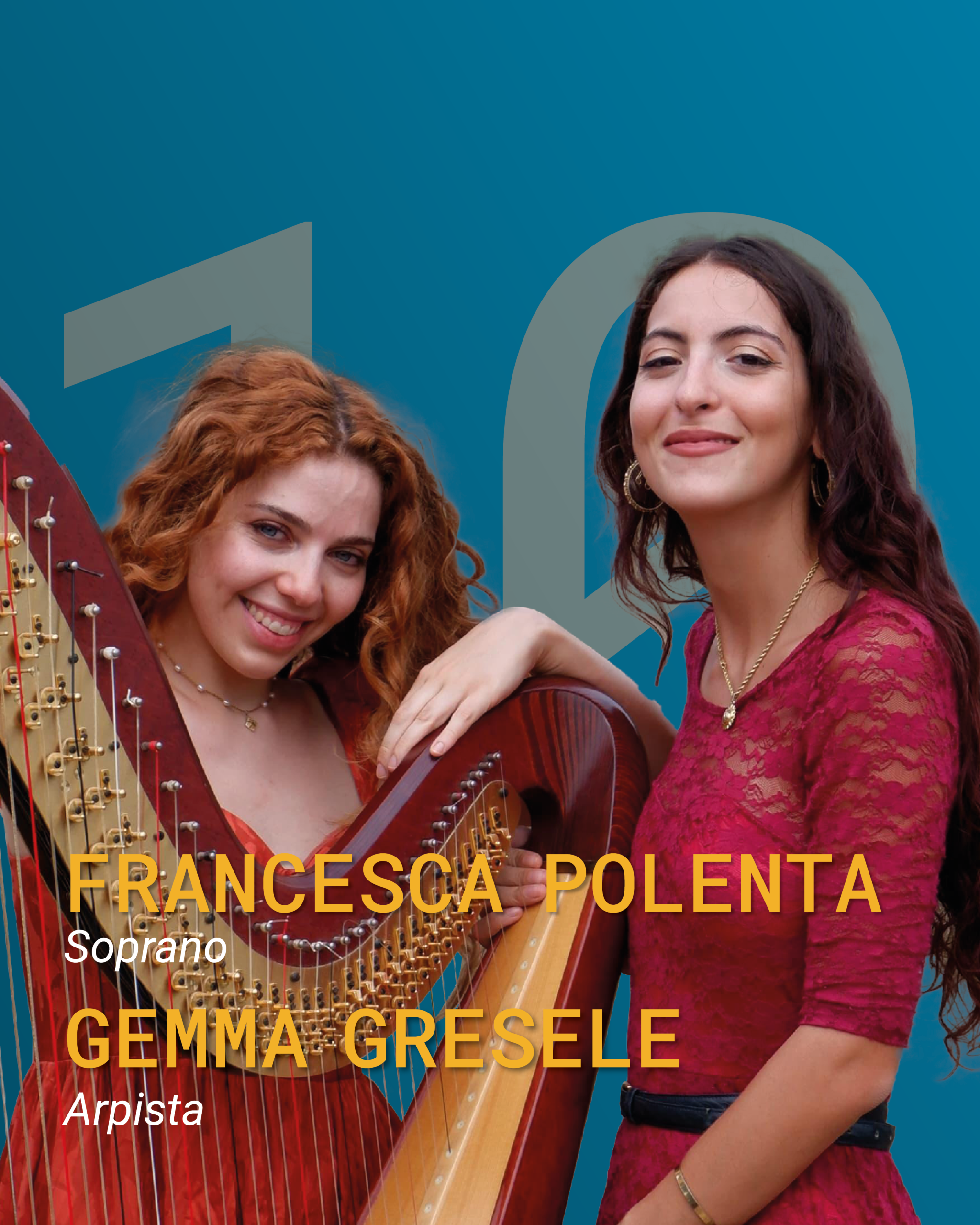
AIGU TEAM
EXECUTIVE BOARD
Gianluca Buoncore (President), Alessandro Luciani (Secretary General), Eleonora Vita (Vice President), Eleonora Orfanò (Vice President), Silvio Rossini (Treasurer)
COMMUNICATIONS
Lucilla Crespi, Caterina Fabri, Sebastiano Marconcini
DIGITAL COMMUNITIES CLUSTER
Ludowika Tripodi and Federica Vennitti (Coordinators)
Pietro Bova, Laura Aglio, Nicolo’ Bozzato, Nikolaj Gutsol, Natalia Pasquetto, Chiara di Berardino
SUSTAINABLE COMMUNITIES CLUSTER
Riccardo Ianuale, Consiglia Ippolito, Giacomo Pieretti (Coordinators)
Gemma Gresele, Silvia Mehmood, Leonardo Bertassello, Lidiana Arrè, Nikolas Galli
COMMUNITIES AND HERITAGE CLUSTER
Elisa Fallani (Coordinator)
Iacopo Menegatti, Federica Falchetti, Viola Fortuni, Francesca Aliprandi, Lavina Agostinelli
TEAM LAZIO
Camilla Donà dalle Rose, Lada Zueva (Regional Representatives)
Eleonora Picierro, Francesca Amato, Gaia Allegrini, Giulia Barrese, Lavinia Agostinelli, Sabina Di Paolo, Viola Fortuni, Beatrice Palazzoni, Francesca Luciani, Margherita Lia, Caterina D’Ubaldi, Virginia Ferraguti, Giulia Tommasi, Laura Castano, Consiglia Ippolito, Debora Striani, Gianluca Galdenzi, Greta Cattaneo, Camilla Ceppini, Natalia Pasquetto, Elena Castaldi, Susanna Clemente
SUPPORT TEAM
Margherita Vicario, Laura Aglio, Giulia Tomasi, Chiara Balestri
PATRONAGES AND PARTNERS
Under the patronage of
Commissione Nazionale Italiana per l’UNESCO, Consiglio Nazionale Giovani, Regione Lazio, Roma Capitale , Confcommercio Roma Giovani imprenditori, EDI – Ecosistema Digitale per l’Innovazione | Confcommercio, Università Roma Tre, ASviS – Alleanza Italiana per lo Sviluppo Sostenibile, Rai per la Sostenibilità ESG, No Women No Panel
Cultural partner
Moleskine Foundation
In collaboration with
SGI Servizi Informatici
Pineider
Dr Giulia Maria Rijillo
Media partnership
Rai Cultura
Gruppo Matches
Community Partner
Tuo Museo
Baker Hughes