
Celebrate the past. Define the future
A Digital Journey Through History, Innovation, and Beauty
Promoting, enhancing, and sharing the treasures of Italy’s artistic, historical, and monumental heritage with the world through a contemporary, technological approach: this is the heart of the “Grand Tour d’Italia,” a project born from the strategic partnership between the Italian Youth Association for UNESCO (AIGU) and the Google Cultural Institute (Google Arts & Culture).
The initiative is inspired by the historic journey undertaken by German writer Johann Wolfgang Goethe between 1786 and 1788, made famous in his book Italian Journey. Today, more than two centuries later, that journey comes back to life in digital form to make the wonders of our country accessible and enjoyable to anyone, anywhere, and at any time.
- +1,300 images, ultra-high-resolution photographs, and unreleased videos
- 38 thematic digital exhibitions curated by the young members of the Association
- 25 video stories dedicated to the “Gems” of Italian heritage
- 21 virtual tours created using Google Street View technology
- 7 immersive Virtual Reality tours accessible via Google Cardboard technology
The Methodology: “Past shapes Present”
All the contents of the Grand Tour were developed around the “Past shapes Present” concept. The goal is to connect the events, discoveries, and works of the past with contemporary challenges, demonstrating how Italian history continues to influence science, culture, urban development, and modern society.
Explore the Project Online
You can browse all the virtual exhibitions, ultra-high-resolution images, and interactive stories of the Grand Tour d’Italia directly on the official Google Arts & Culture platform.
Cities and Narrative “Gems”
The project involved four itineraries of excellence, focusing on Italian cities that host sites inscribed on the UNESCO World Heritage List:
Siena
UNESCO World Heritage List: 1995
- Life in the Contrade: A sociological and ethno-anthropological journey into Siena’s historic Contrade to discover the deep meaning of the Palio di Siena.
- The City of Networks: The dynamics of social cohesion and urban networking developed from the Middle Ages to the present day.
Roma
UNESCO World Heritage List: 1980
- A World Without Art: The birth of the Italian idea of turning artistic beauty and museums into a public heritage open to all.
- The City of Water: Roman hydraulic engineering, from ancient aqueducts to modern water resource management.
- The First Social Network: How ancient Rome laid the foundations of communication and information-sharing systems.
Venice and Its Lagoon
UNESCO World Heritage List: 1987
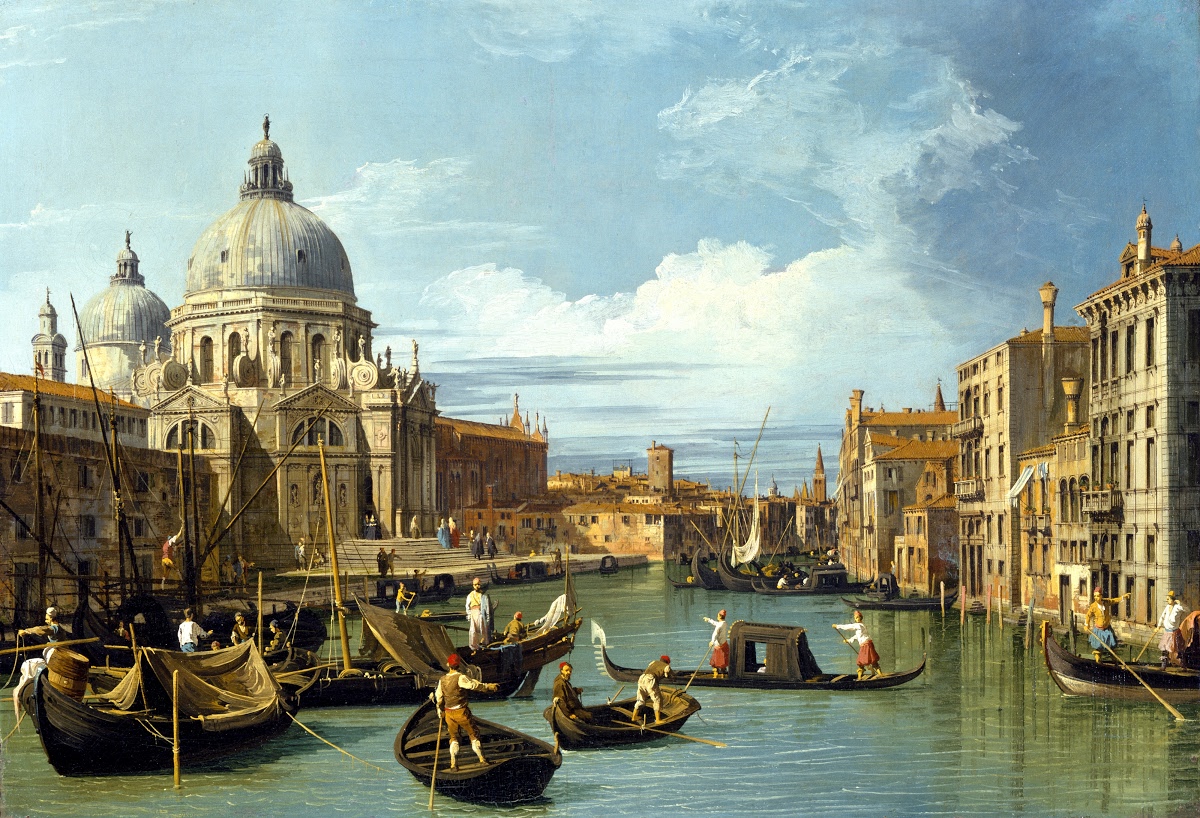
- Canaletto’s Secret: How the Venetian painter’s notebooks and “photographic” paintings are used by modern scientists to study historical tide levels and combat the submersion of Venice.
- From St. Mark’s to the Moon: The story of how Galileo Galilei revolutionized modern science, starting right from the bell tower of St. Mark’s Square.
- 1755, Escape from Venice: From Giacomo Casanova’s famous escape to the modern engineering of suspension bridges.
- Festa del Redentore and the Giudecca Canal: A centuries-old tradition testifying to the historical importance of risk management and the eradication of epidemics.
Palermo
UNESCO World Heritage List: 2015
- Medieval Air Conditioning: The ingenious underground ventilation and cooling systems designed during the Arab-Norman era.
- The Origins of Street Food: The evolution of the street culinary tradition between cultural influences and local identity.
- Opera Re-invented: How younger generations are reclaiming and revitalizing Teatro Massimo, Italy’s largest opera house.
The Role of AIGU Youth
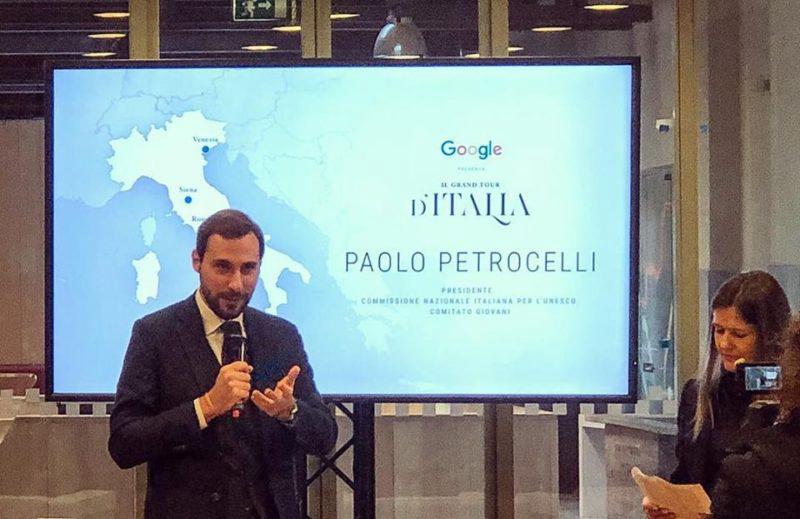
AIGU members played a primary role in curation and scientific research. The young volunteers selected the points of interest, authored the narratives, produced the audio-video content, and structured the 38 virtual exhibitions.
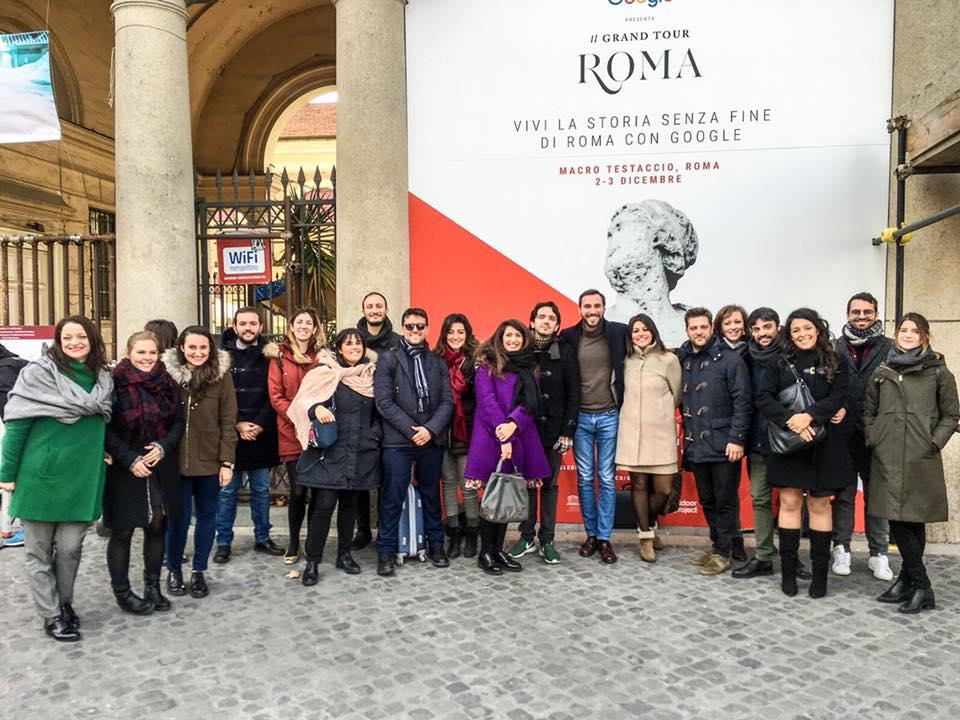
The project launch was accompanied by a tour of local events organized by AIGU in iconic venues of Italian culture, including the Venetian Arsenale, the Monumental Complex of Siena, the Teatro Massimo in Palermo, and the MACRO Museum in Rome